




Tire Rubber Crumb/Powder
Tire Rubber Crumb/Powder refers to fine rubber particles obtained from recycling worn tires. This valuable material has wide applications in various industries due to its unique properties.
Tire rubber crumb or tire rubber powder refers to fine rubber particles obtained from recycling worn tires. This valuable material has wide applications in various industries due to its unique properties.
Tire rubber crumb production process
After collection, worn tires are transported to recycling plants. There, they are converted into rubber crumb through the following steps:
Crushing: Tires are crushed into smaller pieces.
Metal separation: Steel wires in the tire are separated.
Final crushing: Rubber pieces are crushed to the desired size and turned into powder or granules.
Properties of tire rubber crumbLight weight: It has a lower density than many filler materials. Thermal and acoustic insulation: It is very effective as thermal and acoustic insulation. Abrasion resistance: It has high abrasion resistance. Flexibility: It gives flexibility to other materials. Good adhesion: It adheres well to other materials.
Applications of tire crumb rubberConstruction industry: Rubber asphalt: Used in asphalt construction to increase resistance to cracking and improve adhesion. Flooring: Production of sports, industrial and household flooring. Insulation: Used in building insulation to reduce energy loss. Automotive industry: Production of automotive parts such as gaskets, seat covers and flooring. Sports industry: Production of sports field flooring, mattresses and balls. Agricultural industry: Production of soil protective coatings. Energy production industry: Used in the production of alternative fuels.
Tire Shaper
Lorem ipsum dolor sit amet, consectetur adipiscing elit. Vestibulum sagittis orci ac odio dictum tincidunt. Donec ut metus leo. Class aptent taciti sociosqu ad litora torquent per conubia nostra, per inceptos himenaeos. Sed luctus, dui eu sagittis sodales, nulla nibh sagittis augue, vel porttitor diam enim non metus. Vestibulum aliquam augue neque. Phasellus tincidunt odio eget ullamcorper efficitur. Cras placerat ut turpis pellentesque vulputate. Nam sed consequat tortor. Curabitur finibus sapien dolor. Ut eleifend tellus nec erat pulvinar dignissim. Nam non arcu purus. Vivamus et massa massa.
Tire Spreader
Lorem ipsum dolor sit amet, consectetur adipiscing elit. Vestibulum sagittis orci ac odio dictum tincidunt. Donec ut metus leo. Class aptent taciti sociosqu ad litora torquent per conubia nostra, per inceptos himenaeos. Sed luctus, dui eu sagittis sodales, nulla nibh sagittis augue, vel porttitor diam enim non metus. Vestibulum aliquam augue neque. Phasellus tincidunt odio eget ullamcorper efficitur. Cras placerat ut turpis pellentesque vulputate. Nam sed consequat tortor. Curabitur finibus sapien dolor. Ut eleifend tellus nec erat pulvinar dignissim. Nam non arcu purus. Vivamus et massa massa.
Tire Strip Cutter
Lorem ipsum dolor sit amet, consectetur adipiscing elit. Vestibulum sagittis orci ac odio dictum tincidunt. Donec ut metus leo. Class aptent taciti sociosqu ad litora torquent per conubia nostra, per inceptos himenaeos. Sed luctus, dui eu sagittis sodales, nulla nibh sagittis augue, vel porttitor diam enim non metus. Vestibulum aliquam augue neque. Phasellus tincidunt odio eget ullamcorper efficitur. Cras placerat ut turpis pellentesque vulputate. Nam sed consequat tortor. Curabitur finibus sapien dolor. Ut eleifend tellus nec erat pulvinar dignissim. Nam non arcu purus. Vivamus et massa massa.
Tire Testing Machine
Lorem ipsum dolor sit amet, consectetur adipiscing elit. Vestibulum sagittis orci ac odio dictum tincidunt. Donec ut metus leo. Class aptent taciti sociosqu ad litora torquent per conubia nostra, per inceptos himenaeos. Sed luctus, dui eu sagittis sodales, nulla nibh sagittis augue, vel porttitor diam enim non metus. Vestibulum aliquam augue neque. Phasellus tincidunt odio eget ullamcorper efficitur. Cras placerat ut turpis pellentesque vulputate. Nam sed consequat tortor. Curabitur finibus sapien dolor. Ut eleifend tellus nec erat pulvinar dignissim. Nam non arcu purus. Vivamus et massa massa.
Tire Valves
Lorem ipsum dolor sit amet, consectetur adipiscing elit. Vestibulum sagittis orci ac odio dictum tincidunt. Donec ut metus leo. Class aptent taciti sociosqu ad litora torquent per conubia nostra, per inceptos himenaeos. Sed luctus, dui eu sagittis sodales, nulla nibh sagittis augue, vel porttitor diam enim non metus. Vestibulum aliquam augue neque. Phasellus tincidunt odio eget ullamcorper efficitur. Cras placerat ut turpis pellentesque vulputate. Nam sed consequat tortor. Curabitur finibus sapien dolor. Ut eleifend tellus nec erat pulvinar dignissim. Nam non arcu purus. Vivamus et massa massa.
Tire Washing Machine
Lorem ipsum dolor sit amet, consectetur adipiscing elit. Vestibulum sagittis orci ac odio dictum tincidunt. Donec ut metus leo. Class aptent taciti sociosqu ad litora torquent per conubia nostra, per inceptos himenaeos. Sed luctus, dui eu sagittis sodales, nulla nibh sagittis augue, vel porttitor diam enim non metus. Vestibulum aliquam augue neque. Phasellus tincidunt odio eget ullamcorper efficitur. Cras placerat ut turpis pellentesque vulputate. Nam sed consequat tortor. Curabitur finibus sapien dolor. Ut eleifend tellus nec erat pulvinar dignissim. Nam non arcu purus. Vivamus et massa massa.
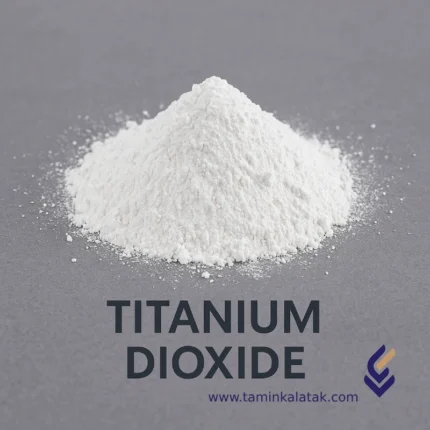
Titanium Dioxide
Titanium Dioxide (TiO₂) is one of the most important white inorganic compounds, widely recognized as the primary white pigment used across various industries.
Renowned for its exceptional opacity, brilliant light reflectivity, and outstanding UV resistance, TiO₂ holds a leading position in the global pigment market.
Today, over 70% of the world’s white pigment consumption is based on TiO₂.
Due to its non-toxic nature and ability to replace lead-based pigments, it became the world’s most widely used white pigment since the early 20th century.
History and Global Significance
The use of Titanium Dioxide dates back to the early 1900s, when industries sought a durable, safe white pigment to replace toxic lead carbonate (white lead).
Thanks to its chemical stability, brightness, and safety, TiO₂ quickly replaced lead pigments and remains the industry standard today.
By the 1920s, large-scale industrial production of TiO₂ had begun.
Owing to its safety, brightness, and efficiency, it rapidly became the dominant pigment.
Global TiO₂ consumption now exceeds 6 million tons annually, with the paint and coatings sector accounting for the majority of demand.
China, the United States, and Europe are the largest producers, and leading global brands include Kronos, Chemours, Tronox, and Lomon Billions.
Crystal Structure and Major Grades
Titanium Dioxide occurs naturally in several crystalline forms, but Anatase and Rutile are the two most important industrial grades.
| Property | Anatase | Rutile |
|---|---|---|
| Appearance | Bright white | Slightly yellowish white |
| UV Resistance | Moderate | Excellent |
| Thermal Stability | Lower | Higher |
| Light Scattering Power | Higher | Moderate |
| Common Applications | Cosmetics, paper, interior paints | Industrial coatings, outdoor paints, plastics |
| Density | ~3.9 g/cm³ | ~4.23 g/cm³ |
| Refractive Index | 2.49 | 2.70 |
Anatase TiO₂ is favored in cosmetics and paper manufacturing for its bright white tone, while Rutile TiO₂ is preferred in industrial coatings and plastics for its superior durability and UV resistance.
Physical and Chemical Properties
-
Molecular Weight: 79.9 g/mol
-
Melting Point: 1855 °C
-
Density: 3.9 – 4.23 g/cm³
-
Refractive Index: 2.5 – 2.7 (one of the highest among all white pigments)
-
Solubility: Insoluble in water and most acids; soluble in H₂SO₄ and HF
-
Appearance: Fine white, odorless, non-toxic powder
Production Methods
1. Sulfate Process
-
Raw Material: Ilmenite or natural rutile
-
Reacted with sulfuric acid to form titanium sulfate
-
Precipitation and calcination yield TiO₂ powder
-
Advantages: Lower production cost
-
Disadvantages: Higher environmental impact
2. Chloride Process
-
Raw Material: Natural rutile or titanium slag
-
Reacted with chlorine gas at high temperature to form titanium tetrachloride (TiCl₄)
-
Oxidized with oxygen to produce high-purity TiO₂
-
Advantages: Superior purity and particle control
-
Disadvantages: Requires advanced technology and equipment
Applications of Titanium Dioxide
1. Paints & Coatings Industry
-
Architectural paints (interior & exterior)
-
Industrial and marine coatings
-
Automotive and protective finishes
Key Benefits:
-
Excellent hiding power and whiteness
-
Strong UV and weather resistance
-
Long-term color stability and durability
2. Cosmetics & Personal Care
Titanium Dioxide is a key physical UV filter in sunscreens and is also used in:
-
Foundations, powders, lipsticks, and toothpaste for brightness and coverage
Advantages:
-
FDA-approved and safe in micronized form
-
Non-irritating and suitable for sensitive skin
-
Provides matte, natural coverage in cosmetic products
3. Plastics Industry
-
Used in white masterbatch, films, injection-molded and blow-molded products
Functions:
-
Prevents discoloration and degradation from UV exposure
-
Enhances brightness and surface gloss
-
Improves mechanical strength and product longevity
4. Paper Industry
-
Increases whiteness and brightness
-
Improves opacity and ink absorption
-
Commonly used in high-grade printing and packaging papers
5. Food & Pharmaceutical Applications
-
Formerly used as white colorant E171 in confectionery, chewing gum, and tablet coatings
-
Note: Since 2022, the European Union has banned its use as a food additive due to nanoparticle concerns
6. Ceramics & Glass
-
Used in ceramic glazes and porcelain coatings
-
Enhances opacity or transparency depending on formulation
-
Contributes to optical glass production
7. Textiles & Synthetic Fibers
-
Optical brightener for polyester and nylon fibers
-
Improves UV and heat resistance
8. Advanced and Emerging Technologies
-
Nano-TiO₂ in new-generation solar cells
-
Photocatalytic TiO₂ for air and water purification
-
Applications in sensors, medical devices, and antimicrobial surfaces
Advantages of Titanium Dioxide
✅ Brilliant Whiteness and Brightness
Exceptional light reflection for maximum whiteness and visual clarity.
✅ Outstanding Opacity
Excellent covering power in paints, coatings, and plastics — reducing material consumption and production cost.
✅ Superior UV Resistance
Rutile TiO₂ offers high stability under sunlight, extending product lifespan.
✅ Thermal and Chemical Stability
Remains stable under high temperatures and harsh chemical conditions.
✅ Safety and Non-Toxicity
Safe for use in cosmetics and personal care products when in micronized form.
✅ Multi-Industry Usability
Used across coatings, plastics, cosmetics, paper, ceramics, textiles, and more.
✅ Enhanced Product Quality
Improves brightness, color uniformity, opacity, and printability.
✅ High-Tech Applications
Nanoscale TiO₂ is vital in photocatalysis, renewable energy, and advanced materials research.
Limitations of Titanium Dioxide
⚠️ Higher Cost
More expensive than other white pigments such as calcium carbonate or zinc oxide.
⚠️ Dispersion Challenges
Requires proper dispersion to ensure even coverage and color consistency.
⚠️ Food-Use Restriction
The EU banned TiO₂ (E171) in food applications in 2022.
⚠️ Inhalation Hazard
Fine TiO₂ dust can cause respiratory irritation; appropriate ventilation and PPE are required.
⚠️ Nanoparticle Concerns
Some studies suggest possible long-term environmental and health impacts of nano-sized TiO₂.
⚠️ Process Sensitivity
Quality depends on production method, particle size, and coating — small deviations can affect opacity and brightness.
Safety & Storage Guidelines
-
Storage Conditions: Keep in a cool, dry place, away from direct sunlight
-
Personal Protection: Use respirators, gloves, and safety goggles when handling powder
-
Potential Risks: Inhalation of fine dust may cause irritation
-
Regulatory Standards:
-
OSHA (USA): Permissible exposure limit 15 mg/m³
-
NIOSH: Recommends ventilation and use of filtered masks
-
FDA: Approved for cosmetic use
-
EFSA: Banned in food-grade form (E171) within the EU
-
Comparison with Other White Pigments
| Property | Titanium Dioxide (TiO₂) | Zinc Oxide (ZnO) | Calcium Carbonate (CaCO₃) |
|---|---|---|---|
| Opacity | Very High | Medium | Low |
| Light Stability | Excellent | Good | Weak |
| Price | Higher | Moderate | Low |
| Toxicity | Non-toxic | Safe | Safe |
| Typical Applications | Paints, plastics, cosmetics | Rubber, cosmetics | Industrial filler |
TiO₂ Grades
-
Anatase Grade:
Higher whiteness — ideal for cosmetics, paper, and interior paints. -
Rutile Grade:
Superior light and heat resistance — suited for industrial coatings, plastics, and outdoor applications.
Purchasing Titanium Dioxide
Selecting the right TiO₂ grade (Anatase or Rutile) is critical for achieving the desired product performance.
Our company offers:
-
Direct sourcing from certified global producers
-
Technical consultation for grade selection
-
Competitive pricing aligned with international market trends
📞 Contact our technical experts today for free consultation and up-to-date TiO₂ pricing.
Frequently Asked Questions Titanium Dioxide
1️⃣ What’s the difference between Anatase and Rutile TiO₂?
Anatase provides higher brightness; Rutile offers superior UV and weather resistance.
2️⃣ Is Titanium Dioxide safe in cosmetics?
Yes. In micronized form, TiO₂ is FDA-approved and safe for topical use.
3️⃣ Why was TiO₂ banned in food applications?
Due to concerns regarding nanoparticle behavior, the EFSA prohibited its use as food additive E171 in 2022.
4️⃣ Is Titanium Dioxide carcinogenic?
Prolonged inhalation of high dust levels may pose risks in laboratory animals, but industrial and cosmetic uses are considered safe.
5️⃣ What factors influence TiO₂ pricing?
Grade, purity, origin, order volume, and fluctuations in the global raw material market.
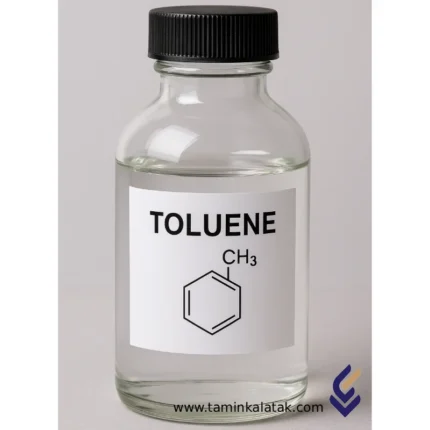
Toluene
Toluene is an organic chemical compound belonging to the family of aromatic hydrocarbons, with the chemical formula C₆H₅CH₃ or C₇H₈.
It is a colorless, volatile, and highly flammable liquid with an odor similar to paint thinners.
Due to its unique properties, toluene is one of the most widely used industrial chemicals — serving as a powerful solvent and a raw material in the paint, adhesive, polymer, pharmaceutical, and fuel industries.
Structure of Toluene
Toluene consists of a benzene ring attached to a single methyl group (–CH₃).
This structure imparts both aromatic stability and alkyl reactivity, allowing it to participate in various chemical reactions.
-
Molecular Formula: C₇H₈
-
Chemical Structure: Benzene ring with one methyl substituent
-
IUPAC Name: Methylbenzene
-
CAS Number: 108-88-3
Physical and Chemical Properties of Toluene
-
Appearance: Clear, colorless, volatile liquid with a sweet, pungent odor
-
Molecular Weight: 92.14 g/mol
-
Density (20°C): 0.866–0.870 g/cm³
-
Boiling Point: 110.6°C
-
Melting Point: −95°C
-
Vapor Pressure (20°C): 28–30 mmHg
-
Water Solubility: Slight (~0.52 g/L at 25°C)
-
Solubility in Organic Solvents: Completely miscible with acetone, ethanol, ether, and most organic solvents
-
Flammability: Highly flammable (flash point ≈ 4°C)
Advantages of Toluene
-
Excellent solvency power for a wide range of organic compounds
-
Cost-effective and readily available on an industrial scale
-
High compatibility with diverse chemical processes
-
Essential role as an intermediate in the production of numerous industrial and pharmaceutical materials
Disadvantages and Limitations
-
Moderate toxicity to humans (especially with prolonged inhalation or skin contact)
-
Direct effects on the central nervous system (dizziness, headache, drowsiness)
-
Environmental hazard in case of accidental spills or improper disposal
-
High flammability requiring strict safety and storage measures
Applications of Toluene
-
Paints, Varnishes, and Thinners: As a major solvent component
-
Printing and Ink Industry: Used to dissolve resins and pigments
-
Polymer Manufacturing: In the production of polyurethanes, nylon, and synthetic resins
-
Chemical Synthesis:
-
Benzene (via dealkylation)
-
Trinitrotoluene (TNT)
-
Benzoic acid and its derivatives
-
-
Pharmaceutical Industry: As an intermediate in the synthesis of active pharmaceutical ingredients (APIs)
-
Fuel Additive: Used to improve octane rating in gasoline formulations
Safety and Handling of Toluene
-
GHS Classification: Flammable liquid; hazardous to human health and the environment
Hazard Statements (H-Codes):
-
H225: Highly flammable liquid and vapor
-
H304: May be fatal if swallowed and enters airways
-
H315: Causes skin irritation
-
H336: May cause drowsiness or dizziness
-
H361d: Suspected of damaging the unborn child
-
H373: May cause damage to organs through prolonged or repeated exposure
Required Personal Protective Equipment (PPE)
-
Chemical-resistant gloves (nitrile or butyl rubber)
-
Safety goggles or face shield
-
Respiratory protection in areas with high vapor concentration
-
Solvent-resistant protective clothing
Storage Conditions
-
Store in a cool, dry, and well-ventilated area
-
Keep away from heat sources, sparks, and open flames
-
Use sealed metal or glass containers resistant to solvents
Emergency Measures
-
Inhalation: Move the person to fresh air and seek medical attention
-
Skin Contact: Wash thoroughly with soap and water
-
Eye Contact: Rinse immediately with plenty of water and get medical assistance
-
Ingestion: Do not induce vomiting; seek immediate medical attention
Toluene Diisocyanate (TDI)
Toluene diisocyanate, abbreviated as TDI, is a highly reactive organic chemical compound that is widely used in various industries, especially in the production of polyurethanes. Polyurethanes are polymeric materials that have a wide variety of applications due to their unique properties such as strength, flexibility, and thermal insulation.
Chemical structure and types of TDITDI has two isocyanate groups (-NCO) attached to the benzene ring. This chemical structure gives TDI its very high reactivity. The two main isomers of TDI are: 2,4-TDI: In this isomer, the two isocyanate groups are located at positions 2 and 4 of the benzene ring. 2,6-TDI: In this isomer, the two isocyanate groups are located at positions 2 and 6 of the benzene ring. TDI Properties High Reactivity: TDI is highly reactive due to the presence of isocyanate groups and reacts rapidly with compounds containing active hydrogen such as water, alcohols and amines. Toxicity: TDI is a toxic chemical and contact with it can cause irritation of the skin, eyes and respiratory tract. Inhalation of TDI vapors can lead to serious respiratory problems. Flammability: TDI is flammable and can catch fire if exposed to flame or high heat.
TDI ApplicationsTDI is used as an important raw material in the production of polyurethanes. Polyurethanes produced using TDI have a wide range of applications in various industries, including: Construction industry: thermal and acoustic insulation, construction foams, adhesives, sealants Automotive industry: seats, interior upholstery, thermal and acoustic insulation Furniture industry: soft and rigid foams, furniture upholstery Clothing industry: synthetic leather, thermal insulation
Polyurethane production processIn the polyurethane production process, TDI reacts with polyols. Polyols are organic compounds that have at least two hydroxyl groups (-OH) in their structure. The reaction between TDI and polyols results in the formation of polyurethane.
Tread Buffing & Cementing Machine
Lorem ipsum dolor sit amet, consectetur adipiscing elit. Vestibulum sagittis orci ac odio dictum tincidunt. Donec ut metus leo. Class aptent taciti sociosqu ad litora torquent per conubia nostra, per inceptos himenaeos. Sed luctus, dui eu sagittis sodales, nulla nibh sagittis augue, vel porttitor diam enim non metus. Vestibulum aliquam augue neque. Phasellus tincidunt odio eget ullamcorper efficitur. Cras placerat ut turpis pellentesque vulputate. Nam sed consequat tortor. Curabitur finibus sapien dolor. Ut eleifend tellus nec erat pulvinar dignissim. Nam non arcu purus. Vivamus et massa massa.
Tread Curing Press & Mould
Lorem ipsum dolor sit amet, consectetur adipiscing elit. Vestibulum sagittis orci ac odio dictum tincidunt. Donec ut metus leo. Class aptent taciti sociosqu ad litora torquent per conubia nostra, per inceptos himenaeos. Sed luctus, dui eu sagittis sodales, nulla nibh sagittis augue, vel porttitor diam enim non metus. Vestibulum aliquam augue neque. Phasellus tincidunt odio eget ullamcorper efficitur. Cras placerat ut turpis pellentesque vulputate. Nam sed consequat tortor. Curabitur finibus sapien dolor. Ut eleifend tellus nec erat pulvinar dignissim. Nam non arcu purus. Vivamus et massa massa.


