




ThermoPlastic Fluoroelastomer (TPF)
Thermoplastic fluoroelastomer (TPF) is a special type of engineering polymer that combines the properties of plastics and fluorinated elastomers. These materials are used in specific industries and applications due to their unique properties, such as very high chemical resistance, heat and weather resistance, and resistance to oils and solvents.
TPF structure and propertiesTPFs are usually block copolymers consisting of soft blocks (such as polyether) and hard blocks (such as fluoropolymers). Very high chemical resistance Heat resistance Air resistance Resistance to oils and solvents Good electrical properties Moldability
TPF applicationsTPF is used in specific industries and applications due to its unique properties, including: Automotive industry: Production of chemical-resistant gaskets, fuel pipes, and engine parts. Aerospace industry: Production of parts exposed to high temperatures and corrosive environments. Chemical industry: Production of coatings and pipes that are in contact with corrosive chemicals. Electronics industry: Production of insulators and parts exposed to moisture and chemicals. Medical industry: Production of pipes and parts that are in contact with chemical and biological materials.
Advantages of using TPFVery high chemical resistance: TPF is suitable for applications that require high chemical resistance. Heat resistance: TPF performs well in high temperature environments. Good electrical properties: TPF is suitable for electronic applications. Excellent moldability: Mass production of products at low cost Long life: TPF is resistant to environmental factors and has a longer life.
ThermoPlastic Olefin (TPO)
Thermoplastic Olefin (TPO) is a high-performance engineering polymer composed of polyolefin alloys such as polyethylene and polypropylene. It combines the properties of plastics and elastomers and has found wide application in various industries due to its good mechanical properties, chemical resistance, and easy processability.
TPO ApplicationsTPOs are used in various industries due to their diverse properties, including: Automotive industry: production of dashboards, seat covers, under-hood parts and interior parts of cars. Construction industry: production of pipes, sheets, insulation and protective coatings. Packaging industry: production of packaging containers, packaging films and protective coatings. Consumer goods industry: production of toys, household appliances and sporting goods.
Advantages of using TPOLight weight: reduction of product weight and energy saving Recyclability: reduction of environmental pollution High flexibility: possibility of producing products with complex designs Abrasion resistance: increase of product service life Excellent moldability: mass production of products at low cost
Thermoplastic PolyAmide elastomer (TPA)
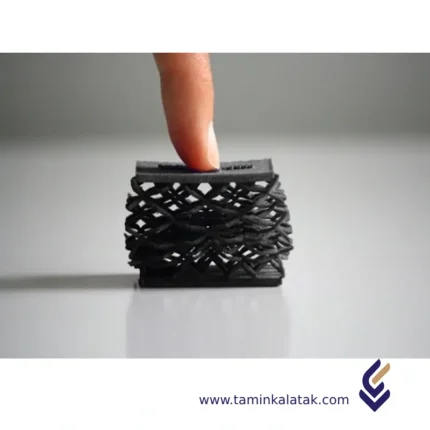
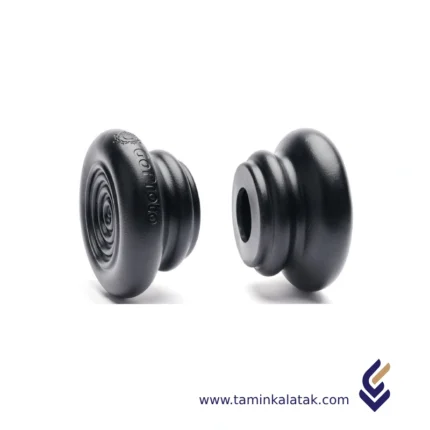
Thermoplastic Polyamide Elastomer (TPA) is a type of thermoplastic elastomer (TPE) that combines the flexibility and elasticity of elastomers with the strength and processability of thermoplastics. TPAs are composed of alternating soft and hard segments, where the soft segments provide elasticity, while the hard segments (typically polyamide-based) contribute to mechanical strength and thermal stability.
StructureThe structure of Thermoplastic Polyamide Elastomer (TPA) consists of a phase-separated morphology with alternating soft and hard segments. The soft segments are typically composed of polyether or polyester chains, which provide flexibility, elasticity, and low-temperature performance. The hard segments are derived from polyamide (nylon) components, contributing to mechanical strength, chemical resistance, and thermal stability. This block copolymer structure allows TPAs to exhibit both rubber-like elasticity and thermoplastic processability. The hard polyamide domains act as physical crosslinks, reinforcing the material and providing shape stability, while the soft segments allow for stretchability and energy absorption. This unique microstructure enables TPAs to maintain excellent mechanical properties while being reprocessable and recyclable like conventional thermoplastics.
PropertiesThermoplastic Polyamide Elastomer (TPA) exhibits a unique combination of flexibility, strength, and chemical resistance, making it a highly versatile material. It possesses high elasticity and excellent recovery, allowing it to behave like rubber while maintaining thermoplastic processability. TPAs offer superior mechanical strength, abrasion resistance, and durability, making them suitable for demanding applications. They also demonstrate outstanding chemical and oil resistance, particularly against fuels, solvents, and industrial chemicals, which enhances their performance in harsh environments. Additionally, TPAs have good thermal stability, allowing them to withstand a wide range of temperatures without significant degradation. However, due to their hygroscopic nature, they tend to absorb moisture from the environment, requiring proper drying before processing. Despite this, their lightweight nature, recyclability, and ease of processing through standard thermoplastic methods such as injection molding and extrusion make TPAs an attractive choice for various industries, including automotive, electronics, and medical applications.
Applications of TPA
- Automotive: Fuel lines, air ducts, seals, gaskets, and hoses.
- Electronics: Wire insulation, connectors, and protective casings.
- Medical Devices: Tubing, catheters, flexible components, and grips.
- Industrial Machinery: Conveyor belts, seals, vibration dampeners, and flexible couplings.
- Sports & Consumer Goods: Shoe soles, flexible grips, protective gear, and wear-resistant textiles.
Advantages of TPAHigh chemical and oil resistance – Withstands fuels, solvents, and industrial chemicals. Excellent mechanical strength – Offers toughness, durability, and abrasion resistance. Good flexibility and elasticity – Provides rubber-like properties with thermoplastic processing benefits. Wide temperature range stability – Performs well in both high and low temperatures. Lightweight and recyclable – More sustainable compared to traditional rubber. Easy processing – Can be injection molded, extruded, or blow molded.
Disadvantages of TPAHigher cost – More expensive than standard thermoplastic elastomers (TPEs). Hygroscopic nature – Absorbs moisture, requiring drying before processing. Lower flexibility than fully vulcanized rubber – May not match the elasticity of certain elastomers. Limited UV resistance – Some grades may require UV stabilizers for outdoor applications.
ThermoPlastic PolyAmide Elastomers (TPAE)
Thermoplastic polyamide elastomer (TPAE) is an engineering polymer that combines the properties of plastics (such as remoldability) and elastomers (such as the elasticity of natural rubber). TPAE has found wide application in various industries due to its unique properties, including high strength, abrasion resistance, and moldability.
Applications of TPAETPAE has a wide range of applications in various industries due to its unique properties, including: Shoe industry: production of shoe soles, shoe uppers and other parts. Automotive industry: production of automotive parts such as gaskets, seat covers, seals and sound insulation. Construction industry: production of thermal insulation, floor coverings and sealants. Medical industry: production of medical tubes, medical device parts and health products. Sports industry: production of sports equipment such as sports shoes and bicycle parts.
Advantages of using TPAECombination of plastic and elastomer properties: This feature allows TPAE to be used in a variety of applications. High strength: TPAE is suitable for applications that require high strength. Abrasion resistance: increase the useful life of products Excellent moldability: mass production of products at low cost Good thermal and chemical resistance: expansion of TPAE applications in harsh environments
Thermoplastic PolyEster Elastomers (TPEE/COPE)
Thermoplastic PolyEster Elastomers (TPEE), also known as copolyesters, are a class of high-performance polymers that exhibit a unique combination of properties, including:
High strength: TPEE offers excellent mechanical properties including high tensile strength, tear resistance, and impact resistance.
Excellent chemical resistance: They are resistant to a wide range of chemicals including oils, fuels, and many solvents.
Good hydrolytic stability: TPEE exhibits good resistance to moisture and hydrolysis, making it suitable for use in wet environments.
High temperature resistance: Many TPEE grades exhibit excellent resistance at high temperatures, allowing them to perform effectively in harsh conditions.
Good processability: TPEE is easily processed using conventional thermoplastic processing methods such as injection molding, extrusion, and blow molding.
Structure and Properties:
TPEEs are typically multiblock copolymers composed of alternating hard and soft segments.
Hard segments: These segments are typically based on polyester or polyesteramide blocks, which provide the strength and rigidity of the material.
Soft segments: These segments are typically based on polyether blocks such as polytetramethylene ether glycol (PTMEG), which provide the material with elasticity and flexibility.
The specific properties of a TPEE can be tuned by adjusting the composition and molecular weight of the hard and soft segments.
TPEE ApplicationsAutomotive: Fuel lines, hoses, under-hood components, and interior parts. Industrial: Gears, bearings, seals, and other mechanical components. Consumer goods: Sporting goods, footwear components, and consumer durables. Medical: Medical equipment, tubing, and implants. Electrical and electronics: Insulation, connectors, and other electrical components.
Advantages of using TPEEHigh performance: Excellent balance between strength, toughness and flexibility. Versatility: Suitable for a wide range of applications. Good chemical and thermal resistance: Allows use in harsh environments. Processability: Easily processed using conventional methods. Environmental benefits: Some grades are recyclable and may have a lower environmental impact than some other polymers.
Thermoplastic PolyOlefins (TPO)
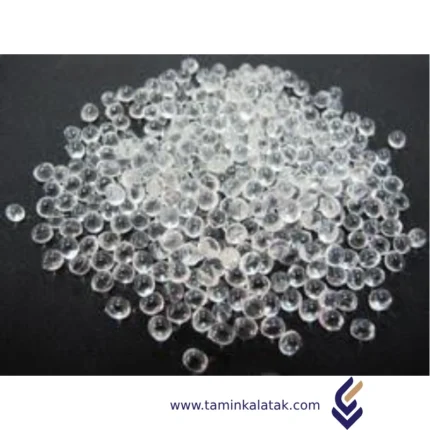
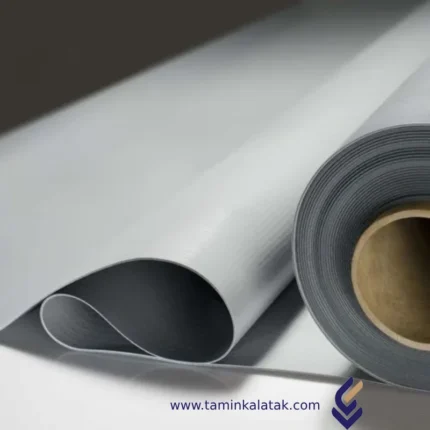
Thermoplastic Polyolefins (TPO) are a class of polyolefin-based thermoplastic elastomers that combine the properties of polypropylene (PP), polyethylene (PE), and elastomers. They are widely used in various industries due to their durability, flexibility, chemical resistance, and ease of processing.
StructureThermoplastic polyolefins (TPOs) have a heterogeneous polymer structure, consisting of a semi-crystalline polypropylene (PP) matrix blended with amorphous elastomeric domains, typically ethylene-propylene-diene monomer (EPDM) or ethylene-propylene rubber (EPR). The PP component provides rigidity, thermal stability, and strength, while the elastomeric phase contributes flexibility, impact resistance, and toughness. Unlike copolymers, TPOs maintain a phase-separated microstructure, where the rubber particles are dispersed within the PP matrix rather than chemically bonded. This structure allows TPOs to remain thermoplastic, meaning they can be melted and reprocessed without undergoing permanent chemical cross-linking. Additionally, the presence of optional fillers such as talc, glass fibers, or carbon black can modify properties like stiffness and durability. The balance between the crystalline regions of PP and the amorphous elastomer phase gives TPOs their unique combination of strength, flexibility, and recyclability, making them ideal for applications in automotive parts, roofing membranes, and flexible packaging materials.
PropertiesThermoplastic Polyolefins (TPOs) possess a unique combination of mechanical, thermal, chemical, and electrical properties that make them highly versatile in various applications. Mechanically, they offer high impact resistance, good flexibility, and moderate stiffness, thanks to the combination of a semi-crystalline polypropylene (PP) matrix and elastomeric components such as ethylene-propylene rubber (EPR) or EPDM. They also exhibit excellent tear and abrasion resistance, making them durable in demanding environments. Thermally, TPOs can withstand temperatures up to 120–140°C, with a relatively low melting point (~165°C for the PP phase), allowing for easy processing via injection molding, extrusion, and thermoforming. Chemically, they are highly resistant to oils, greases, solvents, acids, and bases, and with proper stabilization, they offer good UV and weather resistance, making them suitable for outdoor applications such as automotive exteriors and roofing membranes. Additionally, TPOs have low water absorption, ensuring dimensional stability in humid conditions. Electrically, they function as good insulators, making them useful in select wire and cable applications. Their thermoplastic nature allows for melting and reshaping, making them highly recyclable and environmentally friendly compared to traditional thermoset rubbers. Moreover, TPOs are lightweight, contributing to fuel efficiency in automotive applications and reducing material costs. These combined properties make TPOs ideal for automotive bumpers, flexible packaging, consumer goods, and construction materials.
Applications of Thermoplastic PolyOlefins
- Automotive Industry:
- Bumpers and fascias
- Interior trim panels and dashboard components
- Weather seals and underbody shields
- Lightweight structural parts for fuel efficiency
- Roofing & Construction:
- TPO roofing membranes (waterproof and UV-resistant)
- Flexible building materials and siding
- Window and door seals
- Consumer Goods:
- Sporting equipment (e.g., soft-touch grips, protective gear)
- Medical components (due to chemical resistance)
- Household items like storage bins and furniture components
- Packaging Industry:
- Rigid and flexible food containers
- Industrial packaging solutions
- Electrical & Electronics:
- Wire and cable insulation
- Protective casings for devices
Advantages of Thermoplastic PolyOlefinsHigh Impact Resistance – Absorbs shocks and mechanical stress effectively Flexible Yet Durable – Balances elasticity with structural integrity Excellent Weather & UV Resistance – Ideal for outdoor applications Good Chemical & Water Resistance – Resists oils, solvents, and moisture Lightweight – Reduces material costs and improves fuel efficiency in vehicles Easy to Process & Mold – Can be injection molded, extruded, or thermoformed Thermoplastic & Recyclable – Can be reprocessed, making it an eco-friendly choice Cost-Effective – Lower production costs compared to thermoset rubbers
Disadvantages of Thermoplastic PolyOlefinsLower Heat Resistance – Limited to around 120–140°C, making it unsuitable for high-heat applications Lower Stiffness Compared to Some Plastics – May require reinforcement (e.g., glass fibers) for structural strength Surface Finish Limitations – May require coatings or treatments for improved aesthetics Difficult to Bond with Adhesives – Requires specialized bonding techniques due to low surface energy Can Become Brittle in Extreme Cold – Some formulations may lose flexibility at very low temperatures
Thickening Agents & Creaming Agent
Thickening Agents and Creaming Agents are both types of food additives used to modify the texture and consistency of various food products. While they share some similarities, they have distinct functions and mechanisms of action.
Thickening Agents
Function:
Increase the viscosity of a liquid.
Create a thicker, more viscous texture.
Improve stability and prevent separation of ingredients.
Examples:
Starches: Cornstarch, potato starch, tapioca starch
Gums: Xanthan gum, guar gum, locust bean gum
Pectins: Used in jams and jellies
Cellulose derivatives: Methylcellulose, carboxymethylcellulose (CMC)
How they work:
Hydration and swelling: Many thickening agents absorb water and swell, forming a three-dimensional network that increases the viscosity of the liquid.
Intermolecular interactions: Some thickening agents interact with other molecules in the food, forming a more viscous structure.
Creaming Agents
Function:
Create a smooth, creamy texture in foods.
Stabilize emulsions (mixtures of oil and water) by preventing separation.
Improve mouthfeel and palatability.
Examples:
Emulsifiers: Lecithin, mono- and diglycerides
Stabilizers: Xanthan gum, guar gum, carrageenan
How they work:
Emulsifiers: Reduce the surface tension between oil and water, allowing them to mix more easily and form a stable emulsion.
Stabilizers: Increase the viscosity of the liquid phase, preventing the separation of oil droplets from the water phase.
Tire Bead Cutter
Lorem ipsum dolor sit amet, consectetur adipiscing elit. Vestibulum sagittis orci ac odio dictum tincidunt. Donec ut metus leo. Class aptent taciti sociosqu ad litora torquent per conubia nostra, per inceptos himenaeos. Sed luctus, dui eu sagittis sodales, nulla nibh sagittis augue, vel porttitor diam enim non metus. Vestibulum aliquam augue neque. Phasellus tincidunt odio eget ullamcorper efficitur. Cras placerat ut turpis pellentesque vulputate. Nam sed consequat tortor. Curabitur finibus sapien dolor. Ut eleifend tellus nec erat pulvinar dignissim. Nam non arcu purus. Vivamus et massa massa.
Tire Block Cutter
Lorem ipsum dolor sit amet, consectetur adipiscing elit. Vestibulum sagittis orci ac odio dictum tincidunt. Donec ut metus leo. Class aptent taciti sociosqu ad litora torquent per conubia nostra, per inceptos himenaeos. Sed luctus, dui eu sagittis sodales, nulla nibh sagittis augue, vel porttitor diam enim non metus. Vestibulum aliquam augue neque. Phasellus tincidunt odio eget ullamcorper efficitur. Cras placerat ut turpis pellentesque vulputate. Nam sed consequat tortor. Curabitur finibus sapien dolor. Ut eleifend tellus nec erat pulvinar dignissim. Nam non arcu purus. Vivamus et massa massa.
Tire Buffing & Tread Building Mach…
Lorem ipsum dolor sit amet, consectetur adipiscing elit. Vestibulum sagittis orci ac odio dictum tincidunt. Donec ut metus leo. Class aptent taciti sociosqu ad litora torquent per conubia nostra, per inceptos himenaeos. Sed luctus, dui eu sagittis sodales, nulla nibh sagittis augue, vel porttitor diam enim non metus. Vestibulum aliquam augue neque. Phasellus tincidunt odio eget ullamcorper efficitur. Cras placerat ut turpis pellentesque vulputate. Nam sed consequat tortor. Curabitur finibus sapien dolor. Ut eleifend tellus nec erat pulvinar dignissim. Nam non arcu purus. Vivamus et massa massa.
Tire Buffing Machine
Lorem ipsum dolor sit amet, consectetur adipiscing elit. Vestibulum sagittis orci ac odio dictum tincidunt. Donec ut metus leo. Class aptent taciti sociosqu ad litora torquent per conubia nostra, per inceptos himenaeos. Sed luctus, dui eu sagittis sodales, nulla nibh sagittis augue, vel porttitor diam enim non metus. Vestibulum aliquam augue neque. Phasellus tincidunt odio eget ullamcorper efficitur. Cras placerat ut turpis pellentesque vulputate. Nam sed consequat tortor. Curabitur finibus sapien dolor. Ut eleifend tellus nec erat pulvinar dignissim. Nam non arcu purus. Vivamus et massa massa.
Tire Building Machine
Lorem ipsum dolor sit amet, consectetur adipiscing elit. Vestibulum sagittis orci ac odio dictum tincidunt. Donec ut metus leo. Class aptent taciti sociosqu ad litora torquent per conubia nostra, per inceptos himenaeos. Sed luctus, dui eu sagittis sodales, nulla nibh sagittis augue, vel porttitor diam enim non metus. Vestibulum aliquam augue neque. Phasellus tincidunt odio eget ullamcorper efficitur. Cras placerat ut turpis pellentesque vulputate. Nam sed consequat tortor. Curabitur finibus sapien dolor. Ut eleifend tellus nec erat pulvinar dignissim. Nam non arcu purus. Vivamus et massa massa.


