




Stearic Acid Rubber Grade
Rubber Grade Stearic Acid is a very important chemical compound in the rubber industry. It is a long-chain saturated fatty acid that is naturally found in animal and vegetable fats. But when added to rubber as an additive, it plays a very important role in improving the mechanical and processing properties of the material.
Properties of Rubber Grade Stearic AcidIncrease Tensile Strength: Stearic acid helps increase the tensile strength of rubber, making it more resistant to tearing. Improvement of Abrasion Resistance: Using stearic acid increases the resistance of rubber to abrasion, which is especially important in tires. Reduction of Adhesion: Stearic acid reduces the adhesion of rubber to production equipment and prevents rubber from sticking to molds. Improvement of Electrical Properties: Stearic acid can help improve the electrical properties of rubber, making it suitable for applications that require electrical insulation.
Applications of Rubber Grade Stearic AcidTire Industry: Stearic acid is widely used in the production of tires for cars, trucks, and other vehicles. Rubber Products Industry: In the production of hoses, belts, gaskets and other rubber products Plastics Industry: As a release agent in plastic molding
Benefits of using rubber grade stearic acidImproving the quality of the final product: Stearic acid improves the mechanical, physical and chemical properties of rubber products. Reducing production costs: By increasing the speed and efficiency of the production process, production costs are reduced. Increasing the lifespan of products: Rubber products manufactured using stearic acid have a longer lifespan.
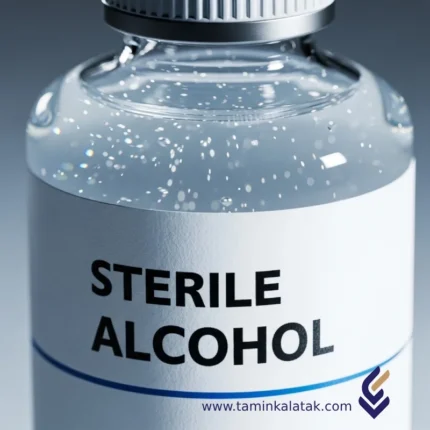
Stearyl alcohol
Stearyl alcohol is a sterilized alcoholic solution, typically based on 70% ethanol or 70% isopropanol, produced under controlled, aseptic conditions to be free from microorganisms and suspended particles.
It is widely recognized as a rapid and effective disinfectant in medical, laboratory, pharmaceutical, and industrial environments.
Chemical Structure of Stearyl alcohol
-
Active Ingredient:
Ethanol (CH₃CH₂OH, CAS No. 64-17-5) or Isopropanol (CH₃CHOHCH₃, CAS No. 67-63-0) -
Carrier:
Sterile distilled water, maintaining a disinfectant concentration of 70–75% (v/v) -
Solution Structure:
A clear, homogeneous, and microbe-free solution capable of penetrating bacterial cell walls during phospholipid disruption -
Optimal Concentration (70%) is used for maximum disinfectant efficacy, enabling effective penetration of microbial proteins and cell membranes.
Physical and Chemical Properties
| Property | Description / Value |
|---|---|
| Appearance | Colorless or slightly tinted liquid with a characteristic alcoholic or mildly aromatic odor |
| Boiling Point | Ethanol: 78.2 °C • Isopropanol: ~82.6 °C |
| Solubility | Completely miscible with water and many organic solvents |
| Flash Point | Low (highly flammable) |
| Sterility | Filtered (e.g., through 0.2 μm membranes) and sometimes gamma-irradiated |
| Microbial Load | None — sterile and particle-free |
Applications of Stearyl alcohol
-
Pre-injection and surgical skin disinfection
-
Disinfection of medical and laboratory equipment surfaces
-
Ingredient in hand sanitizing gels and solutions
-
Sterilization of biomedical and laboratory instruments
-
Surface disinfection in pharmaceutical and vaccine production lines
-
Cleaning and sanitizing cosmetic and medical devices
-
Use in highly controlled industrial or biomedical environments, such as operating rooms and biosafety laboratories (BSL-2/3)
Advantages of Stearyl alcohol
-
Rapid and broad-spectrum disinfection against bacteria, viruses, and fungi
-
Non-corrosive to metals and many sensitive materials
-
No rinsing required after application
-
Suitable for sterile environments, including operating rooms and viral labs
-
Skin-compatible in formulations containing moisturizers or glycerin
-
Fast evaporation leaving no residue on surfaces
Disadvantages and Limitations
-
Highly flammable — requires controlled storage and handling conditions
-
May cause skin dryness with frequent use (if no moisturizer is added)
-
Ineffective against spore-forming bacteria
-
Requires sterile, evaporation-resistant packaging for preservation
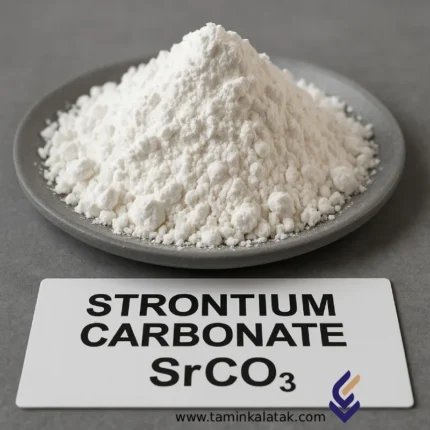
Strontium carbonate
Strontium Carbonate (SrCO₃) is a white, odorless, crystalline inorganic compound naturally found in the mineral Strontianite. Known for its excellent thermal stability, chemical resistance, and optical properties, it plays a key role in glassmaking, ceramics, pyrotechnics, metallurgy, and electronics.
In the global chemicals market, Strontium Carbonate is considered one of the most important and widely used members of the carbonate family. Its unique combination of properties makes it difficult to replace in many industrial applications.
Chemical and Structural Information
-
Chemical Formula: SrCO₃
-
Ionic Composition: Strontium ion (Sr²⁺) and Carbonate ion (CO₃²⁻)
-
Crystal System: Orthorhombic
-
Bond Type: Strong ionic bonds providing high mechanical and thermal stability
-
Chemical Classification: Inorganic Carbonates
The orthorhombic crystalline structure of Strontium Carbonate imparts excellent structural integrity, making it suitable for high-temperature and electroceramic applications.
Physical and Chemical Properties
| Property | Value / Description |
|---|---|
| Appearance | White powder or granules |
| Molecular Weight | 147.63 g/mol |
| Density | ~3.7 g/cm³ |
| Solubility | Insoluble in water; soluble in dilute acids with CO₂ release |
| Thermal Stability | Stable at ambient temperature; decomposes at elevated heat |
These characteristics make Strontium Carbonate a preferred component in heat- and chemically-stable formulations, particularly for glass and ceramic industries.
Production Methods
Strontium Carbonate is produced through two main routes:
-
Natural Process: Extraction and purification from Strontianite mineral
-
Industrial Process: Reaction of Strontium Sulfide (SrS) with Carbon Dioxide (CO₂) or Sodium Carbonate (Na₂CO₃), forming SrCO₃ precipitate
The industrial route is most common for large-scale production due to its high yield and cost efficiency.
Applications
-
Glass Industry: Enhances transparency, reduces X-ray absorption, and improves thermal stability of specialty glass
-
Ceramics and Glazes: Improves mechanical strength, controls thermal expansion, and provides distinctive color tones
-
Pyrotechnics: Produces bright, stable red coloration in fireworks due to strontium ions
-
Electronics: Used in cathode ray tubes (CRT), electroceramics, and semiconductor materials
-
Metallurgy: Removes impurities such as sulfur and phosphorus in steelmaking and non-ferrous metal refining
-
Pigments and Coatings: Acts as a white pigment and enhances brightness and durability of coatings
Advantages
-
High chemical and thermal stability
-
Unique optical and color-forming properties
-
Excellent mechanical strength in ceramic and glass matrices
-
Widely applicable across advanced and high-performance industries
Limitations
-
Higher cost compared to alternatives such as Calcium Carbonate
-
Moderate toxicity if ingested or inhaled over prolonged periods
-
Requires strict safety and handling standards for industrial use
Environmental Impact
Strontium Carbonate is relatively low in environmental risk due to its poor solubility and chemical inertness. However, uncontrolled release of large quantities into soil or water may negatively impact aquatic ecosystems.
Therefore, proper waste management and recycling protocols are essential in large-scale industrial operations.
Alternatives and Substitutes
| Alternative | Application Notes |
|---|---|
| Calcium Carbonate (CaCO₃) | Cost-effective substitute in glass and ceramics with lower performance |
| Barium Carbonate (BaCO₃) | Used in certain ceramic applications but more toxic |
| Strontium Oxide (SrO) | Sometimes used as a reactive equivalent in specialty formulations |
Despite these alternatives, Strontium Carbonate remains irreplaceable in applications requiring specific optical and electronic characteristics.
Safety and Storage Guidelines
-
Storage: Keep in a cool, dry area, away from moisture and acids
-
Handling: Use protective gloves, safety goggles, and dust masks when handling powder
-
Transportation: Follow GHS and international chemical transport regulations
-
Emergency Measures: In case of skin or eye contact, rinse immediately with plenty of water
Summary
Strontium Carbonate (SrCO₃) is a versatile, high-performance inorganic compound essential in modern materials science and manufacturing. Its combination of optical brilliance, chemical stability, and industrial versatility makes it a key raw material in the glass, ceramic, and electronic sectors.
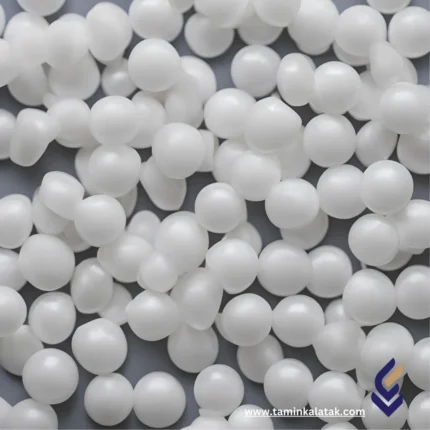

Styrene AcryloNitrile resin (SAN)
SAN polymer, with the chemical name styrene-acrylonitrile copolymer, is a versatile plastic that is characterised above all by its excellent transparency and chemical resistance. In addition, it has high stiffness and good dimensional stability which allow it to be used in demanding environments.
styrene acrylonitrile structureStyrene acrylonitrile resin (SAN) is a copolymer plastic consisting of styrene and acrylonitrile. The typical composition of SAN polymers is:
- Styrene: ~70–80%
- Acrylonitrile: ~20–30%
styrene acrylonitrile resin propertiesSAN is similar in use to polystyrene. Like polystyrene itself, it is transparent and brittle. The copolymer has a glass transition temperature greater than 100 °C owing to the acrylonitrile units in the chain, thus making the material resistant to boiling water. SAN is known for its excellent tensile and flexural strength, which makes it suitable for structural applications. It resists oils, fats, dilute acids, and alkalis, making it suitable for use in chemical containers and food storage.
styrene acrylonitrile applicationsHousehold Products: Plastic tumblers, food trays, storage containers Automotive: Interior components, knobs, handles, instrument panels Medical: Test tubes, Petri dishes, laboratory equipment Electronics: Housings, enclosures, transparent electronic parts
Advantages
- High Mechanical Strength
- Ease of Processing
- Lightweight
- Cost-Effective
- Transparency
- Good Electrical Insulation
Disadvantages
- Limited Impact Strength
- Environmental Stress Cracking
- Flammability
- Limited Weatherability
Styrene monomer
Lorem ipsum dolor sit amet, consectetur adipiscing elit. Vestibulum sagittis orci ac odio dictum tincidunt. Donec ut metus leo. Class aptent taciti sociosqu ad litora torquent per conubia nostra, per inceptos himenaeos. Sed luctus, dui eu sagittis sodales, nulla nibh sagittis augue, vel porttitor diam enim non metus. Vestibulum aliquam augue neque. Phasellus tincidunt odio eget ullamcorper efficitur. Cras placerat ut turpis pellentesque vulputate. Nam sed consequat tortor. Curabitur finibus sapien dolor. Ut eleifend tellus nec erat pulvinar dignissim. Nam non arcu purus. Vivamus et massa massa.
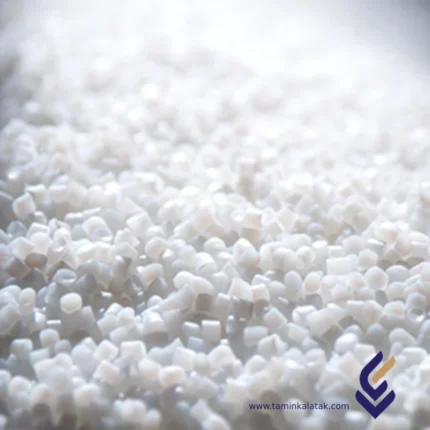
Styrenic Block Copolymers (TPS)
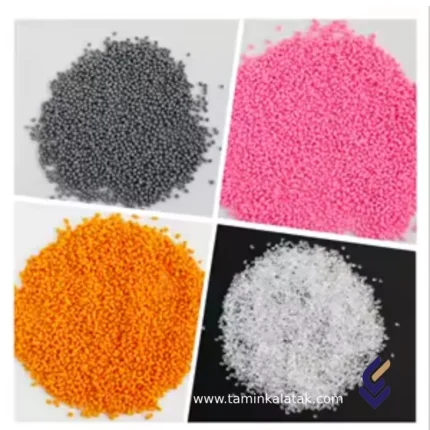
Styrenic Block Copolymers (TPS) are a class of thermoplastic elastomers (TPEs) composed of alternating hard and soft polymer segments. The hard segments are made of polystyrene (PS), while the soft segments consist of rubber-like elastomers such as polybutadiene (PB) or polyisoprene (PI). This structure gives TPS materials the elasticity of rubber while maintaining the easy processability of thermoplastics.
StructureStyrenic block copolymers (TPS) have a phase-separated structure composed of alternating hard and soft polymer segments. The hard segments consist of polystyrene (PS) domains, which provide strength, rigidity, and thermal stability, while the soft segments are made of elastomeric materials such as polybutadiene (PB), polyisoprene (PI), or ethylene-butylene (EB), contributing to flexibility and elasticity. These block copolymers form a physical crosslinking network where the polystyrene blocks aggregate into discrete domains, acting as physical anchors that hold the material together, while the rubbery segments remain continuous and provide elasticity. This unique morphology allows TPS materials to behave like thermoset elastomers at room temperature but soften and flow when heated, making them fully thermoplastic and easily reprocessable. The phase separation between the polystyrene and elastomeric segments gives TPS its characteristic combination of strength, flexibility, and processability, making it widely used in applications requiring both durability and soft-touch properties.
PropertiesStyrenic block copolymers (TPS) exhibit a unique combination of elasticity, strength, and processability due to their phase-separated structure. They have excellent flexibility and rubber-like elasticity, allowing them to stretch and recover their shape without permanent deformation. Their mechanical properties include good tensile strength and impact resistance, making them durable for various applications. TPS materials have moderate heat resistance, generally performing well below 100°C, and are resistant to many oils, greases, and chemicals, enhancing their stability in demanding environments. They also have good adhesion properties, making them suitable for overmolding onto other plastics. Unlike thermoset rubbers, TPS materials are thermoplastic, meaning they can be melted, reshaped, and recycled multiple times, improving manufacturing efficiency and sustainability. They also provide a soft-touch feel, making them ideal for grips, handles, and other ergonomic applications. Additionally, TPS offers good weather resistance, especially in formulations like SEBS, which enhance UV and oxidation stability. These combined properties make TPS widely used in automotive, medical, consumer goods, and adhesive applications.
Application
- Automotive Industry:
- Soft-touch interior components (dashboards, door panels)
- Seals, gaskets, and vibration dampeners
- Grip pads and protective coatings
- Consumer Goods:
- Handles and grips for tools, toothbrushes, and razors
- Sports equipment, shoe soles, and protective gear
- Flexible packaging and stretchable films
- Medical Applications:
- Medical tubing and syringe plungers
- Overmolded soft-touch medical devices
- Flexible, biocompatible components
- Adhesives and Sealants:
- Pressure-sensitive adhesives (PSAs)
- Hot-melt adhesives for packaging and footwear
- Electronics & Electrical:
- Protective casings for devices
- Wire and cable insulation
AdvantagesHigh Elasticity and Flexibility – Provides rubber-like stretch and softness Good Impact and Tensile Strength – Enhances durability and wear resistance Thermoplastic Nature – Can be easily melted, reshaped, and recycled Soft-Touch Feel – Ideal for ergonomic grips and overmolding Good Adhesion to Various Materials – Suitable for multi-material applications Resistant to Oils, Greases, and Chemicals – Performs well in harsh environments Lightweight – Reduces material costs and improves energy efficiency Good Weather and UV Resistance – Certain formulations (e.g., SEBS) have enhanced outdoor durability Easy Processing – Compatible with injection molding, extrusion, and blow molding
DisadvantagesLower Heat Resistance – Limited performance above 100°C Lower Stiffness Compared to Some Plastics – May require reinforcement for structural applications Can Become Sticky in Hot Conditions – Some grades may soften and lose shape retention Higher Cost Than Standard Plastics – More expensive than traditional polyolefins like PP and PE Limited Load-Bearing Capacity – Not suitable for heavy-duty mechanical applications
Sulfates
Sulfates are a group of chemical compounds that contain the sulfate ion (SO₄²⁻). This ion consists of a central sulfur atom surrounded by four oxygen atoms. Sulfates are widely found in nature and in various industries and have a variety of applications.
Properties of SulfatesHigh solubility: Many sulfates dissolve well in water. Thermal stability: Some sulfates are stable to heat. Oxidizing properties: Some sulfates, such as copper sulfate, have oxidizing properties.
Applications of sulfatesSulfates are widely used in various industries due to their diverse properties, including: Chemical industries: Production of sulfuric acid, dyes, detergents, and chemical fertilizers. Construction industries: Production of cement, gypsum, and other building materials. Paper industry: As a filler and sizing agent in paper production. Textile industry: In the dyeing and printing process of fabrics. Agriculture: As a fertilizer and pesticide. Pharmaceutical industry: In the production of some drugs.
Sulfonate paste 50%
Lorem ipsum dolor sit amet, consectetur adipiscing elit. Vestibulum sagittis orci ac odio dictum tincidunt. Donec ut metus leo. Class aptent taciti sociosqu ad litora torquent per conubia nostra, per inceptos himenaeos. Sed luctus, dui eu sagittis sodales, nulla nibh sagittis augue, vel porttitor diam enim non metus. Vestibulum aliquam augue neque. Phasellus tincidunt odio eget ullamcorper efficitur. Cras placerat ut turpis pellentesque vulputate. Nam sed consequat tortor. Curabitur finibus sapien dolor. Ut eleifend tellus nec erat pulvinar dignissim. Nam non arcu purus. Vivamus et massa massa.
Sulfur (Lamp and Granular)
Lorem ipsum dolor sit amet, consectetur adipiscing elit. Vestibulum sagittis orci ac odio dictum tincidunt. Donec ut metus leo. Class aptent taciti sociosqu ad litora torquent per conubia nostra, per inceptos himenaeos. Sed luctus, dui eu sagittis sodales, nulla nibh sagittis augue, vel porttitor diam enim non metus. Vestibulum aliquam augue neque. Phasellus tincidunt odio eget ullamcorper efficitur. Cras placerat ut turpis pellentesque vulputate. Nam sed consequat tortor. Curabitur finibus sapien dolor. Ut eleifend tellus nec erat pulvinar dignissim. Nam non arcu purus. Vivamus et massa massa.
sulfuric acid
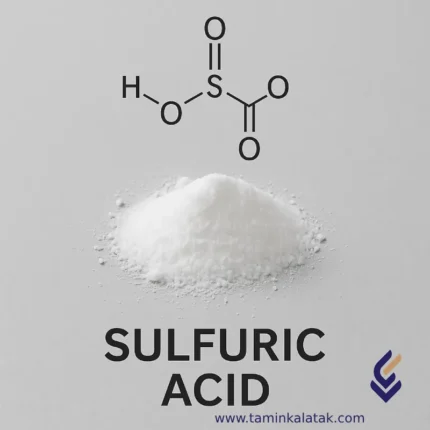
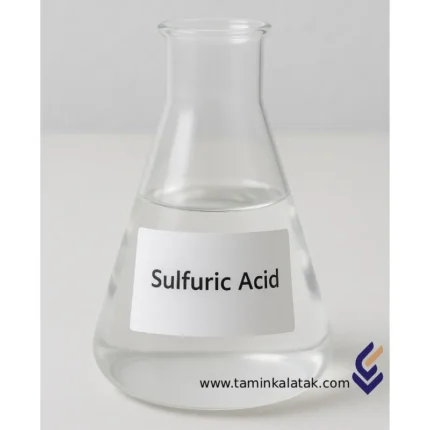
Sulfuric acid is one of the strongest, most widely used, and most important inorganic acids in the global chemical industry.
With the chemical formula H₂SO₄, it is a colorless, odorless, oily liquid that is highly corrosive and readily soluble in water, releasing a large amount of heat upon dissolution.
Chemical Structure
-
Molecular Formula: H₂SO₄
-
Structure: Consists of two hydrogen atoms (H⁺) and one sulfate ion (SO₄²⁻), in which sulfur is centrally bonded to four oxygen atoms.
-
Type of Bond: Both covalent and ionic, depending on the solvent environment.
-
In aqueous solution, sulfuric acid fully dissociates, releasing two protons (H⁺).
Physical and Chemical Properties
| Property | Value / Description |
|---|---|
| Physical State | Clear, oily, colorless liquid |
| Density (at 98%) | ~1.84 g/cm³ |
| Boiling Point | 337 °C |
| Freezing Point | 10.4 °C |
| Solubility in Water | Very high (highly exothermic and dangerous) |
| pH (1% solution) | < 1 (extremely acidic) |
| Corrosivity | Very high — attacks metals, skin, and fibers |
| Flash Point | None (non-flammable but a strong oxidizer) |
Major Applications of Sulfuric Acid
Chemical and Petrochemical Industries
-
Production of chemical fertilizers (phosphates, sulfates)
-
Manufacturing of phosphoric acid, sulfonation, and pigments
Battery Industry
-
Used as an electrolyte in lead-acid batteries (automotive and industrial)
Detergent and Cosmetic Industries
-
Production of surfactants, such as alkylbenzene sulfonates
Metallurgical and Mining Industries
-
Pickling of steel, and extraction of copper and zinc
Pharmaceutical and Laboratory Applications
-
Used as a catalyst and dehydrating agent in chemical synthesis
Advantages of Sulfuric Acid
-
Extremely strong acidity
-
Low cost and wide industrial availability
-
Versatile across numerous industrial processes
-
High hygroscopicity (effective drying agent)
-
Stable under proper storage conditions (in compatible containers)
Disadvantages and Limitations
-
Highly hazardous to skin, eyes, and the respiratory system
-
Exothermic reaction with water — requires great caution during dilution
-
Reacts violently with metals, bases, and combustible organic materials
-
Difficult handling and transportation — requires strict safety standards
-
Environmental risk if spilled or improperly disposed of
Sulphonic acid
Lorem ipsum dolor sit amet, consectetur adipiscing elit. Vestibulum sagittis orci ac odio dictum tincidunt. Donec ut metus leo. Class aptent taciti sociosqu ad litora torquent per conubia nostra, per inceptos himenaeos. Sed luctus, dui eu sagittis sodales, nulla nibh sagittis augue, vel porttitor diam enim non metus. Vestibulum aliquam augue neque. Phasellus tincidunt odio eget ullamcorper efficitur. Cras placerat ut turpis pellentesque vulputate. Nam sed consequat tortor. Curabitur finibus sapien dolor. Ut eleifend tellus nec erat pulvinar dignissim. Nam non arcu purus. Vivamus et massa massa.
Sulphonic acid
Lorem ipsum dolor sit amet, consectetur adipiscing elit. Vestibulum sagittis orci ac odio dictum tincidunt. Donec ut metus leo. Class aptent taciti sociosqu ad litora torquent per conubia nostra, per inceptos himenaeos. Sed luctus, dui eu sagittis sodales, nulla nibh sagittis augue, vel porttitor diam enim non metus. Vestibulum aliquam augue neque. Phasellus tincidunt odio eget ullamcorper efficitur. Cras placerat ut turpis pellentesque vulputate. Nam sed consequat tortor. Curabitur finibus sapien dolor. Ut eleifend tellus nec erat pulvinar dignissim. Nam non arcu purus. Vivamus et massa massa.


