
barium carbonate

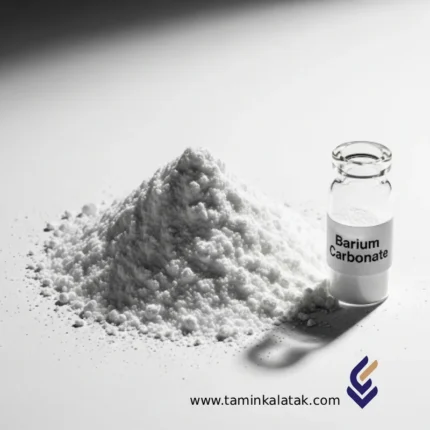
Barium Carbonate is a white, odorless, crystalline inorganic compound widely used in various industries due to its distinct physical and chemical properties. It occurs naturally in the mineral Witherite and is considered one of the most important barium compounds in industrial applications.

Thanks to its stability and reactivity characteristics, Barium Carbonate finds applications in glass manufacturing, ceramics, refractory brick production, pigments, metallurgy, and even water treatment. However, because of its high toxicity, strict safety measures are required when handling or transporting this substance.


Chemical Structure

Barium Carbonate is an ionic mineral salt composed of barium ions (Ba²⁺) and carbonate ions (CO₃²⁻).

Property Description
Chemical Formula BaCO₃
Crystal System Orthorhombic
Chemical Classification Inorganic Carbonates
Key Characteristic Highly stable under normal conditions but decomposes rapidly in contact with acids, releasing CO₂ gas.

This robust crystalline structure contributes to its thermal and chemical stability, making it particularly valuable in high-temperature and industrial chemical processes.


Physical and Chemical Properties

Property Value / Description
Chemical Name Barium Carbonate
Chemical Formula BaCO₃
Molar Mass 197.34 g/mol
Appearance White, odorless powder or crystals
Solubility Insoluble in water; soluble in acids with CO₂ release
Thermal Stability Stable under ambient conditions; decomposes upon heating
Toxicity Highly toxic if ingested or inhaled
Crystal Form Orthorhombic structure
Reactivity Reacts with acids; inert in neutral or alkaline media

Applications

  • Glass Manufacturing: Enhances clarity, mechanical strength, and reduces UV and X-ray transmission in specialized glasses.

  • Ceramics and Glazes: Improves thermal resistance, surface gloss, and prevents crack formation in finished products.

  • Water Treatment: Removes sulfates and other unwanted ions, particularly in hard water purification.

  • Refractory Brick Production: Increases thermal shock resistance and mechanical durability of high-temperature materials.

  • Metallurgy: Acts as a flux and refining agent in processing non-ferrous metals like copper and aluminum.

  • Paints and Pigments: Serves as a filler, pigment stabilizer, and color enhancer.

  • Pyrotechnics: Used in certain firework formulations as a stabilizer and burning control additive.


Advantages

  • Exceptional industrial versatility across multiple sectors.

  • High thermal stability and resistance to decomposition at elevated temperatures.

  • Improves mechanical and optical quality of glass and ceramic products.

  • Effective in removing sulfate ions and impurities during water treatment processes.


Limitations

  • Toxic compound: Hazardous if swallowed or inhaled; requires strict safety handling.

  • Environmental risk: Contamination of soil or groundwater can cause severe ecological harm.

  • Restricted use in food or pharmaceuticals due to its toxic nature.


Safety and Storage

  • Storage Conditions: Keep in a dry, cool, and well-ventilated area, away from moisture and acidic materials.

  • Personal Protection: Use respiratory masks, gloves, and protective goggles when handling the powder.

  • Transportation: Must comply with GHS and international regulations for toxic materials.

  • Emergency Procedures:

    • Skin or eye contact: Rinse immediately with plenty of water.

    • Ingestion: Do not induce vomiting; seek medical assistance immediately.


Environmental Impact

While Barium Carbonate is only slightly soluble in water, its release into the environment in large quantities can lead to water contamination and aquatic toxicity. Proper waste management and containment are essential to prevent environmental hazards.


Substitutes for Barium Carbonate

Due to toxicity concerns, safer alternatives are used in certain industries:

Substitute Compound Typical Application Remarks
Calcium Carbonate (CaCO₃) Glass and ceramics Economical and non-toxic alternative
Strontium Carbonate (SrCO₃) Pyrotechnics, ceramics Similar properties, less toxic
Barium Sulfate (BaSO₄) Paints, coatings, medical uses Non-toxic and environmentally safe

Summary

Barium Carbonate (BaCO₃) remains an essential industrial chemical for glass, ceramics, metallurgy, and pigment production, valued for its stability, heat resistance, and ion-removal capabilities.
However, its toxicity demands strict safety controls and environmentally responsible management throughout its lifecycle — from storage and handling to waste disposal.

Bead Wire Builder

Bead Wire Builder refers to the machinery and processes involved in manufacturing bead wire for tires. Bead Wire: This is a critical component of tires, forming the strong, flexible rim that holds the tire onto the wheel. It's typically made of high-tensile steel wire, often coated or plated for corrosion resistance. Bead Wire Builder: This encompasses the entire manufacturing process, including: Wire Drawing: Drawing steel wire through dies to achieve the desired diameter and tensile strength. Coating/Plating: Applying coatings like brass or copper to the wire for improved adhesion to rubber and corrosion resistance. Bead Winding: Winding the wire onto a forming mandrel to create the desired bead shape (round, oval, etc.). Heat Treatment: Heat treating the wound bead to improve its strength and fatigue resistance. Inspection and Testing: Quality control checks to ensure the bead wire meets the required specifications. Key considerations in Bead Wire Building: Wire Quality: The quality of the steel wire is crucial for the performance of the final bead. Winding Precision: Accurate and consistent winding is essential to ensure proper bead shape and dimensions. Coating/Plating Consistency: Even and uniform coating is crucial for optimal adhesion and corrosion resistance. Heat Treatment Control: Precise control of heat treatment parameters is critical for achieving the desired mechanical properties. Modern Bead Wire Builders: Modern bead wire building machines are highly automated and incorporate advanced technologies such as: High-speed winding machines: To increase production efficiency. Computerized control systems: For precise control of winding parameters and quality monitoring. Robotic systems: For automated handling and inspection of the beads.

Benzoic acid

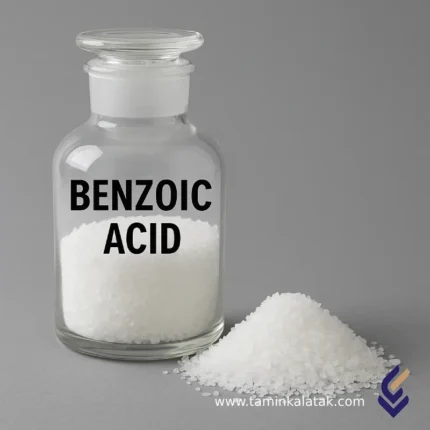
Benzoic Acid is an aromatic organic compound with the chemical formula C₆H₅COOH, appearing as a white, crystalline, odorless solid. It occurs naturally in some fruits such as berries and is one of the simplest aromatic carboxylic acids. One of its most important characteristics is its ability to inhibit the growth of bacteria and fungi, making it widely used in the food and pharmaceutical industries.


Structure of Benzoic Acid

Benzoic acid consists of an aromatic ring (benzene) attached to a carboxylic acid group (–COOH). Its structural details are:

  • Chemical Formula: C₇H₆O₂ or C₆H₅COOH

  • Molecular Weight: 122.12 g/mol

  • Melting Point: 122 °C

  • Boiling Point: 249 °C

  • Solubility: Slightly soluble in water; soluble in alcohol, ether, and fats


Properties of Benzoic Acid

  • Physical State: White crystalline solid

  • Odor: Faint aromatic odor

  • Weak acid (pKa ≈ 4.2)

  • Oxidation-resistant

  • Natural antifungal and antibacterial agent

  • High stability under normal temperature and pressure


Applications of Benzoic Acid

✅ Food Industry: Used as a food preservative (E210) to prevent spoilage
✅ Pharmaceutical Industry: In the production of antifungal and anti-inflammatory drugs
✅ Cosmetics and Personal Care: Found in creams, lotions, and shampoos
✅ Chemical Industry: Used in the production of alkyd resins, plastics, and intermediates for organic synthesis
✅ Ester Production: To make perfumes and flavorings
✅ Cleaning Solutions: As a component in some industrial cleaning agents


Disadvantages of Benzoic Acid

❌ May cause skin and eye irritation at high doses
❌ Some individuals may have sensitivities to it
❌ Not recommended in large amounts for children
❌ Excessive consumption in food may raise health concerns


Advantages of Benzoic Acid

✅ Strong antimicrobial properties
✅ Affordable and widely available
✅ Extends shelf life of food and cosmetic products
✅ Good solubility in many solvents
✅ High stability and long-term storability

Benzyl alcohol

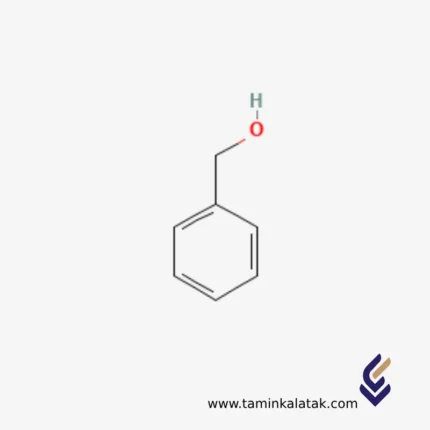
Benzyl Alcohol is an aromatic compound with a primary alcohol structure that occurs naturally in some essential oils such as jasmine and cinnamon oil, but is mostly produced synthetically.
Due to the presence of both a hydroxyl functional group (–OH) and a benzene ring, it exhibits solvent, bactericidal, and stabilizing properties. It is widely used across pharmaceutical, cosmetic–personal care, paint, coating, and detergent industries.


Chemical Structure of Benzyl Alcohol

  • Basic structure: An aromatic ring (C₆H₅) attached to a CH₂OH group — essentially benzene + methylene + alcohol.

  • Molecular formula: C₇H₈O

  • Molecular weight: 108.14 g/mol

  • Other names: Phenylmethanol, Benzenemethanol

  • Structural nature: An aromatic alcohol with moderate polarity, capable of forming weak hydrogen bonds and dissolving a wide range of polar and non-polar substances.


Physical and Chemical Properties

Property Description
Physical state Clear, colorless liquid
Odor Mild, pleasant, aromatic
Boiling point ~205 °C
pH (1% solution) Approximately neutral (6–7)
Viscosity (25 °C) ~5.9 mPa·s
Flash point ~93 °C (flammable)

Functional Properties

  • Polar organic solvent: Effectively dissolves resins, essential oils, dyes, and pharmaceuticals.

  • Antimicrobial: Exhibits preservative and antibacterial activity at specific concentrations.

  • Skin compatibility: Mild and relatively non-irritating at controlled levels.

  • Biodegradability: Rapidly biodegradable according to OECD guidelines.


Applications of Benzyl Alcohol

1. Pharmaceutical Industry

  • Used as a preservative in injectable formulations (e.g., lidocaine injections).

  • Serves as a solvent for poorly water-soluble active ingredients.

  • Approved and listed in USP, EP, and JP pharmacopeias.

2. Cosmetics and Personal Care

  • Functions as a mild preservative in creams, lotions, shampoos, and skin cleansers.

  • Enhances solubility of fragrances and essential oils.

  • Used in deodorants and antiperspirant formulations.

3. Paints and Coatings

  • Acts as a solvent in resin-based paints, inks, and lacquers.

  • Controls viscosity and improves film uniformity and surface appearance during drying.

4. Detergents and Industrial Cleaners

  • Used as a co-solvent in multi-purpose cleaning formulations.

  • Aids in the dissolution of oils, greases, and industrial residues.

5. Specialized Industrial Applications

  • Intermediate in the production of alkyd and polyurethane resins.

  • Used as a stabilizer in photographic chemicals.

  • Serves as a solvent softener in textile and leather processing.


Advantages of Benzyl Alcohol

  • Multi-functional solvent for cosmetic, pharmaceutical, and industrial formulations.

  • Biodegradable and relatively safe at permitted concentrations.

  • Provides mild antibacterial protection without requiring stronger preservatives.

  • Compatible with a wide range of solvents and active ingredients.


Disadvantages of Benzyl Alcohol

  • Irritating to the skin, eyes, and respiratory tract at high concentrations.

  • Prolonged or repeated contact may cause dryness or allergic reactions.

  • At high doses (oral or injectable), exhibits neurotoxic effects (according to FDA and WHO data).


Safety and Handling Information

  • Chemical name: Benzyl Alcohol

  • Chemical formula: C₆H₅CH₂OH

  • CAS number: 100-51-6


Hazard Information

Hazard Type Description
Skin and eye irritation May cause redness or inflammation, especially with repeated contact.
Central nervous system effects High concentrations or prolonged exposure to vapors may cause drowsiness or dizziness.
Oral toxicity (moderate) Harmful if swallowed in large amounts.
Aquatic toxicity Potentially harmful to aquatic organisms at high concentrations.
Flammability Flash point ≈ 93 °C; may ignite at elevated temperatures.

Personal and General Safety Measures

Personal Protection

  • Wear chemical-resistant gloves (nitrile or heavy-duty latex).

  • Use laboratory safety goggles or face shields.

  • In closed or heated environments, use a half-mask respirator.

  • Wear protective lab or industrial clothing.

General Workplace Measures

  • Operate in a well-ventilated area (preferably under a fume hood).

  • Avoid prolonged skin contact.

  • Do not use or store near open flames or heat sources.

  • Keep a valid SDS (Safety Data Sheet) accessible near the work area.


Storage Conditions

Item Description
Suitable container Tightly sealed glass or polyethylene containers resistant to organic solvents
Environmental conditions Store in a cool, dry place away from direct sunlight and heat sources
Recommended storage temperature 5 – 30 °C
Ventilation Continuous ventilation, with localized exhaust in case of vapor release
Incompatible materials Avoid contact with strong oxidizing agents such as peroxides, strong acids, or nitric acid

Final Safety Recommendations

  • Personnel must be trained in HSE (Health, Safety, and Environment) procedures for handling aromatic solvents.

  • For industrial or laboratory use, an up-to-date SDS (compliant with GHS) must always be available.

  • During transport, proper hazard labeling and classification must be followed — UN No. 1990, in accordance with international chemical transport regulations.

Bicycle Tires

Lorem ipsum dolor sit amet, consectetur adipiscing elit. Vestibulum sagittis orci ac odio dictum tincidunt. Donec ut metus leo. Class aptent taciti sociosqu ad litora torquent per conubia nostra, per inceptos himenaeos. Sed luctus, dui eu sagittis sodales, nulla nibh sagittis augue, vel porttitor diam enim non metus. Vestibulum aliquam augue neque. Phasellus tincidunt odio eget ullamcorper efficitur. Cras placerat ut turpis pellentesque vulputate. Nam sed consequat tortor. Curabitur finibus sapien dolor. Ut eleifend tellus nec erat pulvinar dignissim. Nam non arcu purus. Vivamus et massa massa.

Binding Agent / Adhesive

Lorem ipsum dolor sit amet, consectetur adipiscing elit. Vestibulum sagittis orci ac odio dictum tincidunt. Donec ut metus leo. Class aptent taciti sociosqu ad litora torquent per conubia nostra, per inceptos himenaeos. Sed luctus, dui eu sagittis sodales, nulla nibh sagittis augue, vel porttitor diam enim non metus. Vestibulum aliquam augue neque. Phasellus tincidunt odio eget ullamcorper efficitur. Cras placerat ut turpis pellentesque vulputate. Nam sed consequat tortor. Curabitur finibus sapien dolor. Ut eleifend tellus nec erat pulvinar dignissim. Nam non arcu purus. Vivamus et massa massa.

Biobased PolyAmide (Bio-PA)

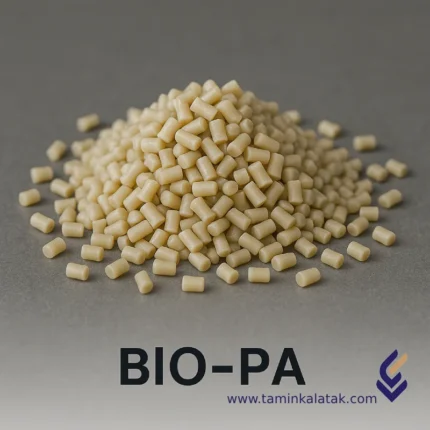
Bio-Based Polyamides are a class of engineering polymers derived from renewable resources such as castor oil, starch, or plant-based fats. These polyamides serve as more sustainable alternatives to conventional petroleum-based polyamides (such as PA6 and PA66) due to their lower environmental impact, high mechanical and thermal stability, and growing adoption across various industries.


Structure of Bio-Based Polyamides

The chemical structure of bio-based polyamides is very similar to that of conventional petroleum-derived polyamides, with the main difference being that their monomer units are obtained from renewable sources.
For example:

  • Polyamide 11 (PA11) is derived from castor oil.

  • Polyamide 610 (PA610) is produced from natural palmitic acid.

Structural Characteristics:

  • Contain repeating amide groups (-CONH-) in the polymer backbone

  • Produced via condensation polymerization

  • Possess longer molecular chains for improved flexibility and mechanical strength


Key Properties of Bio-Based Polyamides

  • High thermal resistance

  • Mechanical properties comparable to conventional polyamides

  • Lower moisture absorption compared to PA66

  • Recyclable and environmentally friendly

  • Excellent chemical resistance to oils and solvents

  • Low friction coefficient, ideal for moving or mechanical components


Applications of Bio-Based Polyamides

✅ Automotive industry: fuel lines, connectors, fasteners
✅ Electronics and home appliances
✅ Sportswear and high-performance footwear
✅ Heat- and moisture-resistant packaging
✅ Industrial and mechanical equipment requiring durability and stability


Disadvantages of Bio-Based Polyamides

  • Higher cost compared to traditional polyamides

  • Limited availability of bio-based raw materials

  • More complex production processes, requiring specialized equipment

  • In some cases, additives are needed to optimize final properties


Advantages of Bio-Based Polyamides

✅ Reduced dependence on fossil-based resources
✅ Lower carbon footprint and contribution to sustainable development
✅ High technical performance comparable to petroleum-based polyamides
✅ Structural versatility for a wide range of industrial applications
✅ Compatibility with injection molding, extrusion, and blow molding processes

Biobased PolyEthylene (Bio-PE)

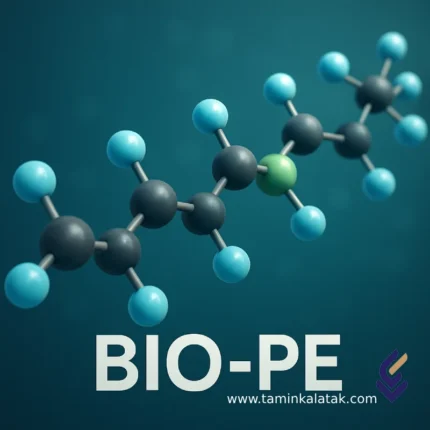
Bio-based polyethylene is a type of "green" polyethylene produced from renewable resources like sugarcane or corn instead of crude oil. This material possesses the same physical and chemical properties as conventional polyethylene but offers greater environmental sustainability, playing a key role in the path toward sustainable development.

Structure of Bio-based Polyethylene

Bio-based polyethylene has a molecular structure identical to that of conventional polyethylene and is made from the ethylene monomer (C₂H₄). The difference lies in the source of this ethylene:
  • In conventional polyethylene: Ethylene is derived from petroleum or natural gas.
  • In bio-based polyethylene: Ethylene is produced from bio-ethanol obtained through the fermentation of sugarcane or corn.
The result of this process is a material that is technically identical in performance to traditional polyethylenes such as HDPE, LDPE, and LLDPE.  

Features of Bio-based Polyethylene

  • Identical chemical structure to petroleum-based polyethylenes.
  • Recyclable and reusable.
  • Reduced greenhouse gas emissions compared to fossil-based polyethylene.
  • Excellent resistance to moisture and chemicals.
  • Compatible with existing manufacturing machinery and processes (injection molding, extrusion, molding).

Applications of Bio-based Polyethylene

  • ✅ Food Packaging: Bottles, bags, plastic films.
  • ✅ Agricultural Products: Mulch films, seed packaging.
  • ✅ Cosmetics and Personal Care Products.
  • ✅ Disposable Medical Equipment.
  • ✅ Automotive Industry: Lightweight and flexible components.

Disadvantages of Bio-based Polyethylene

  • Higher price due to limited production and the cost of biological resources.
  • Competition with food sources (when using sugarcane or corn).
  • In some cases, lower thermal stability than fossil-based polyethylene.
  • It is not biodegradable, although its origin is biological.

Advantages of Bio-based Polyethylene

  • Renewable source and not dependent on crude oil.
  • Significant reduction in CO₂ emissions over the product's life cycle.
  • Performance identical to traditional polyethylenes.
  • Enhances product branding as environmentally friendly.
  • Suitable for use in green policies and international environmental standards.

Biobased PolyEthylene Terephthalate (Bio-PET)

Bio-based Polyethylene Terephthalate (Bio-PET) is a type of thermoplastic polymer produced from renewable resources such as sugarcane molasses or corn starch. The chemical structure of Bio-PET is very similar to traditional PET, with the difference being that in Bio-PET, some or all of its ethylene glycol component is derived from biological sources. This material features a linear chain structure with repeating ethylene terephthalate units, which results in outstanding mechanical and thermal properties.

Features of Bio-based Polyethylene Terephthalate

  • High thermal resistance
  • Good optical clarity
  • Desirable tensile strength and impact resistance
  • Recyclable within the existing PET system
  • Chemical resistance to oils, fats, and weak solvents
  • Dimensional stability over time

Applications of Bio-based Polyethylene Terephthalate

  • Food Packaging: Water bottles, carbonated beverage bottles, food containers
  • Pharmaceutical and Personal Care Packaging
  • Synthetic Fibers: For apparel, carpets, and industrial textiles
  • Lightweight Engineering Applications: Such as automotive and electronic components
  • Production of Transparent Packaging Films: With high printability

Disadvantages of Bio-based Polyethylene Terephthalate

  • Higher production cost compared to traditional PET
  • Dependency on agricultural resources for raw material supply
  • Not widely available in some markets
  • Low biodegradability in the natural environment (similar to conventional PET)
  • Requires property enhancements for certain specialized industrial applications

Advantages of Bio-based Polyethylene Terephthalate

  • Produced from renewable resources (reducing dependency on fossil fuels)
  • Reduced greenhouse gas emissions during the production process
  • Compatible with traditional PET recycling processes
  • Suitable for food contact (approved by the FDA and EFSA)
  • Improves brand image for environmentally conscious companies

Biobased PolyPropylene (Bio-PP)

Bio-based polypropylene (Bio-PP) is a type of thermoplastic polymer produced from renewable resources such as biomass, vegetable oils, or other natural organic materials. The chemical structure of Bio-PP is similar to that of conventional petroleum-based polypropylene; however, the main difference lies in its source of production.

Structure of Bio-based Polypropylene

The primary monomer of Bio-PP is propylene, which undergoes a polymerization process to form long polymer chains. Bio-PP is generally isotactic and functionally equivalent to conventional polypropylene, but it has a lower carbon footprint and, in many cases, offers greater recyclability.

Properties of Bio-based Polypropylene

  • Lightweight

  • Excellent thermal and chemical resistance

  • Good mechanical properties, including tensile strength

  • High recyclability

  • Compatible with standard polypropylene processing equipment

  • Suitable for food contact (with proper certification)

Applications of Bio-based Polypropylene

  • Packaging industry (food containers, packaging films)

  • Automotive industry (interior parts such as dashboards, handles, and trims)

  • Medical and pharmaceutical industries (syringes, drug packaging)

  • Household appliances (casings and plastic components)

  • Consumer products (reusable containers, bio-based disposable items)

  • Agricultural and greenhouse equipment

Disadvantages of Bio-based Polypropylene

  • Higher cost compared to conventional polypropylene

  • Limited availability in certain markets

  • Challenges in the supply chain for bio-based raw materials

  • Requirement for specific certifications for certain applications

Advantages of Bio-based Polypropylene

  • Reduced carbon footprint and environmental impact

  • Produced from renewable resources

  • Performance comparable to conventional PP

  • Recyclable and compatible with other polymers

  • Compliance with global environmental regulations
Biobased PolyUrethane (Bio-PU)

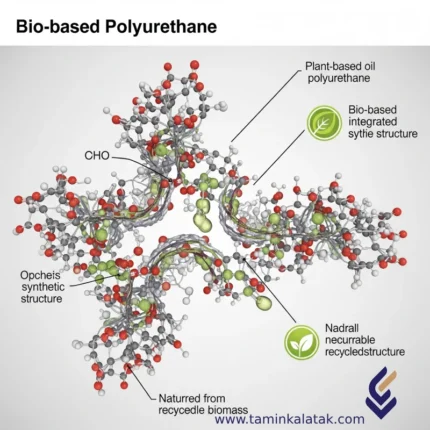
Bio-based polyurethane (BIO-PU) is a flexible and durable polymer produced from renewable resources such as vegetable oils (soybean, castor, palm, etc.). Unlike conventional polyurethanes derived from petrochemical sources, BIO-PU has been developed to reduce dependence on fossil fuels and improve environmental sustainability. Due to its diverse physical and chemical properties, this polymer is widely used in various industries, including automotive, furniture, textiles, and medical applications.

Structure

Bio-based polyurethane is synthesized through the reaction between bio-based polyols and isocyanates. Bio-polyols are directly derived from natural sources such as vegetable oils. In BIO-PU, depending on the type of raw materials used, physical properties such as hardness, tensile strength, or flexibility can be adjusted. Its structure is designed to achieve performance comparable to or even better than that of traditional polyurethanes.

Properties

  • Biodegradable (in certain grades)

  • Lightweight and abrasion-resistant

  • Adjustable hardness and flexibility

  • Good chemical resistance

  • Stable thermal performance

  • Partial recyclability in specific grades

Applications

  • Furniture industry: Flexible foams for seats and cushions

  • Automotive: Interior components, sound and thermal insulation

  • Medical field: Temporary implant materials, elastic bandages, and disposable equipment

  • Flooring and industrial coatings: Due to high wear resistance

  • Footwear and apparel: Shoe soles and impact-resistant inner layers

  • Electronics: Flexible protectors and insulators

Advantages

  • Reduces dependence on petroleum-based resources

  • Environmentally friendly

  • Tunable and precisely engineered properties

  • Comparable or superior performance to conventional polyurethane

  • Suitable for sensitive applications such as medical use

Disadvantages

  • Higher production costs compared to traditional polymers

  • Greater sensitivity to moisture in certain grades

  • Requires specific production and storage conditions

  • Complete biodegradability may not always be achieved

  • Limited and inconsistent supply of bio-based raw materials on an industrial scale

Bisphenol A

Bisphenol A is a chemical compound widely used in the production of polycarbonate plastics and epoxy resins. It is found in many everyday products, including food and beverage containers, water bottles, and baby formula bottles.
Concerns about BPA
In recent years, bisphenol A has come under the spotlight due to concerns about its potential health effects. Studies have shown that exposure to BPA may disrupt the endocrine system and lead to a range of health problems, including: Endocrine disruption: BPA can mimic the body’s hormones, interfering with their normal function. Reproductive health: Some studies have linked BPA exposure to reproductive problems, such as infertility and birth defects. Neurodevelopment: Exposure to BPA, especially during childhood, may affect brain development and behavior. Cancer risk: Although research is ongoing, some studies suggest that there may be a link between BPA exposure and certain types of cancer. Regulations and alternatives Due to concerns, many countries have enacted regulations to restrict the use of BPA in certain products, especially those intended for infants and children. Manufacturers have also developed alternative materials and processes to reduce or eliminate BPA exposure. Common products that may contain BPA include: Items packaged in plastic containers Canned foods Cosmetics Feminine hygiene products Thermal printer receipts CDs and DVDs Electronics Eyeglass lenses Sports equipment Dental fillings Alternatives to BPA include: Tritan: A type of polycarbonate that does not contain BPA. Glass: A traditional and safe material for food and beverage containers. Stainless steel: A durable and non-toxic material for food and beverage containers.

Bladder Curing Press & Mould

Bladder Curing Press & Mould is a vital equipment in the rubber manufacturing industry used for shaping and curing rubber parts. This equipment is especially useful in the production of solid rubber and rubber products with complex shapes.
Function of the Bladder Curing Press and Mold
Mold Preparation: A metal mold designed in the shape of the final part is covered with a release layer so that the rubber part can be easily removed from the mold. Bladder Insertion: A rubber or fireproof fabric bladder is placed inside the mold. This bladder is inflated with an air pump to apply uniform pressure to all parts of the rubber part. Raw Material Insertion: The rubber raw materials that have been previously mixed and prepared are placed into the mold in a raw or semi-cured state. Mold Closure: The mold is tightly closed to ensure that there are no leaks. Applying Pressure and Heat: The bladder is filled with air to apply uniform pressure to the raw materials. At the same time, heat is applied to the mold to cure the raw materials and form the mold. Cooling and Demoulding: After the curing process is completed, the mold is cooled and the rubber part is removed from the mold.
Applications of bladder curing presses and molds
Rubber industry: Production of various rubber parts such as gaskets, bushings, cable covers, etc. Automotive industry: Production of automotive rubber parts such as hoses, gaskets, etc. Medical industry: Production of rubber parts for medical equipment. Aerospace industry: Production of rubber parts for the aerospace industry.
Advantages of using bladder curing presses and molds
Production of high-precision parts: Possibility of producing parts with precise dimensions and tolerances. Mass production: Ability to mass produce identical parts. Product diversity: Possibility of producing different types of parts by changing molds. High quality: The products produced are of high quality.

Blow Molding (BLOW)

Blow molding is a manufacturing process used to create hollow plastic parts by inflating a heated plastic tube (called a parison or preform) inside a mold cavity until it conforms to the shape of the mold. It is widely used for producing bottles, containers, and other hollow objects.
Types of blow molding
Continuous Extrusion Blow Molding (EBM) Process:
  • Molten plastic is continuously extruded in a tube-like form (parison).
  • A mold clamps around the parison and inflates it with air.
  • The part cools and solidifies before being ejected.
Intermittent Extrusion Blow Molding (EBM) Types:
  • Reciprocating Screw System: The screw moves back and forth to accumulate plastic before pushing it into the mold.
  • Accumulator Head System: Plastic is stored in an accumulator before being discharged in a single shot.
Injection Blow Molding (IBM) Process:
  • Plastic is first injection molded into a preform (small tube-like shape with a finished neck).
  • The preform is then transferred to a blow mold and inflated.
  • The final shape is formed, cooled, and ejected.
injection Stretch Blow Molding (ISBM) Process:
  • Similar to IBM, but includes a stretching step before inflation to improve strength and clarity.
  • The preform is reheated, stretched lengthwise, and then blown into shape.
Extrusion Stretch Blow Molding (ESBM) Process:
  • A parison is extruded and clamped in a mold.
  • The parison is stretched both axially (lengthwise) and radially (outward) before being inflated.
Advantages of blow molding
  • Cost-Effective Production
  • High Efficiency & Fast Production
  • Ability to Produce Complex Shapes
  • Lightweight and Durable Products
  • Versatile Material Usage
  • Suitable for Large & Small Products
Disadvantages of blow molding
  • Limited to Hollow Shapes
  • High Initial Equipment & Mold Costs
  • Inconsistent Wall Thickness
  • Weak Seams & Stress Points
  • Less Precision Compared to Injection Molding
  • High Energy Consumption
Applications of blow molding
  • packaging Industry: Bottles for beverages, cosmetics, pharmaceuticals, and household products.
  • Automotive Industry: Fuel tanks, air ducts, washer fluid reservoirs, and coolant tanks.
  • Industrial & Chemical Storage: Drums, barrels, IBCs, and spray bottles.
  • Medical & Pharmaceutical: IV bottles, medicine containers, and diagnostic device housings.
  • Consumer Goods: Toys, furniture components, water bottles, and detergent containers.
  • Construction Industry: Water tanks, septic tanks, pipes, and conduits.
  • Agriculture Industry: Pesticide and fertilizer containers, watering cans, and irrigation components.

Bottle Grade

Polyethylene Terephthalate (PET) is a versatile thermoplastic polymer widely used in the packaging industry, particularly for bottle manufacturing. PET bottle-grade resin is a specialized type of PET formulated to meet the requirements of beverage, food, and pharmaceutical packaging. One of the key advantages of PET bottle-grade material is its food-safe quality, ensuring compliance with global regulatory standards like those set by the FDA (Food and Drug Administration) and EFSA (European Food Safety Authority). With growing concerns about sustainability, PET bottle-grade materials are evolving to incorporate higher percentages of recycled content while maintaining their structural integrity and safety.
1.Structure
PET (Polyethylene Terephthalate) is a semi-crystalline thermoplastic polymer belonging to the polyester family. The structure of PET bottle-grade material is based on long-chain polymer molecules formed through polycondensation of terephthalic acid (TPA) and ethylene glycol (EG). The repeating unit in PET is: {-O-CH_2-CH_2-O-CO-C_6H_4-CO-} This structure consists of:
  • Ester groups (-COO-) → Provide flexibility and durability
  • Benzene rings (C₆H₄) → Contribute to rigidity and strength
  • Ether bonds (-O-) → Help in processability and thermal stability
2.Properties
PET (Polyethylene Terephthalate) bottle-grade resin possesses a unique combination of physical, mechanical, thermal, chemical, and barrier properties, making it the preferred material for beverage and food packaging. It is highly transparent, lightweight, and has a smooth surface, providing an attractive and glossy finish for bottles. Mechanically, PET is strong, tough, and resistant to impact and stress-cracking, ensuring durability during handling and transportation. Its flexibility allows easy molding into various bottle shapes while maintaining high stiffness for structural integrity. Thermally, PET has a glass transition temperature of approximately 75–80°C and a melting point of around 250–265°C, making it stable under moderate heat conditions. Chemically, it exhibits excellent resistance to acids, oils, and solvents while maintaining hydrolytic stability in humid environments. Additionally, PET is non-toxic and food-safe, meeting regulatory standards such as those set by the FDA and EFSA. Its superior barrier properties help preserve the quality of packaged products by limiting oxygen and carbon dioxide permeability and preventing moisture absorption.A key advantage of PET bottle-grade material is its recyclability, as it is 100% recyclable and can be processed into recycled PET (rPET), promoting sustainability and reducing environmental impact. These properties collectively make PET an ideal choice for water bottles, soft drink containers, juice packaging, and other consumer goods that require clarity, strength, and food safety.
3. Applications of Bottle Grade PET
Bottle-grade PET is used across multiple industries due to its versatility and safety.

1. Food & Beverage Industry

Soft Drink & Water Bottles – Carbonated and non-carbonated beverages Dairy & Juice Containers – Milk, yogurt drinks, and fresh juices Edible Oil & Condiment Packaging – Cooking oils, sauces, and vinegar

2 Pharmaceutical & Healthcare

Medicine Bottles – Liquid syrups and vitamin supplements Personal Care Packaging – Shampoo, lotion, and cosmetic containers

3 Industrial & Chemical Applications

Household & Industrial Chemicals – Detergents, cleaning agents, and solvents Laboratory Containers – Sterile packaging for chemicals and reagents

4 Sustainable Packaging & Recycled PET Products

Recycled PET Bottles – Used in textiles, automotive parts, and reusable packaging Eco-Friendly Packaging – Biodegradable and sustainable bottle solutions
4. Advantages of Bottle Grade PET
Bottle-grade PET offers multiple benefits, making it the preferred material for packaging. Cost-Effective: Lower production costs compared to glass and metal Shatterproof & Durable: Reduces breakage risks in transportation and usage Lightweight: Decreases shipping weight and carbon footprint Versatile & Moldable: Easily shaped into different bottle designs Safe for Food Contact: Approved by FDA and EFSA for direct food and beverage use Eco-Friendly: Supports recycling and sustainable initiatives
5. Disadvantages of Bottle Grade PET
Despite its benefits, bottle-grade PET has some drawbacks: Environmental Concerns: Improper disposal leads to plastic pollution Heat Sensitivity: Deforms at high temperatures, limiting hot-fill applications Gas Permeability: Less effective than glass in preventing oxygen ingress Chemical Leaching (Low Risk): May release trace amounts of antimony oxide under extreme conditions Recycling Challenges: Requires advanced sorting and processing to maintain quality

Butadiene Rubber BR

Butadiene Rubber is one of the most important types of synthetic rubber that is widely used in various industries due to its unique properties. This rubber is produced from the polymerization of butadiene, an unsaturated hydrocarbon. Butadiene is found naturally in crude oil and is converted into rubber through petrochemical processes.
Butadiene Rubber Applications
Butadiene rubber is used in various industries due to its unique properties, including the automotive industry, construction, consumer goods production, and ... Some of the most important applications of this rubber are: Automotive industry: production of tires, gaskets, belts, and other automotive parts Construction industry: production of insulation, cable covering, flooring, and ... Consumer goods industry: production of shoes, toys, home appliance parts, and ...

butyl acetate

butyl acetate, also known as butyl ethanoate and butyl ester, is a colorless, liquid substance with a relatively pleasant odor, slightly resembling the smell of fruit (banana), which is highly flammable. This substance is generally used as a solvent for the production of products such as industrial paints, cosmetic varnishes, inks and adhesives. In terms of solubility or solubility, it is easily dissolved in a variety of solvent chemical raw materials such as alcohols, ketones, glycols and esters, but it is not so easy to dissolve in water.
Physical and chemical properties of butyl acetate
Solubility: Slightly soluble in water but soluble in many organic solvents such as alcohols, ketones, other esters and aromatic hydrocarbons. Odor: Pleasant fruity odor Density: Lower than water Boiling point: Relatively low Flammability: Highly flammable. Stability: Stable under normal conditions but may react in the presence of strong oxidants.
Butyl acetate applications
Butyl acetate has many applications in various industries due to its unique physical and chemical properties. Some of the most important applications of this substance are: Solvent: paint and coating industries: It is used as a solvent in the production of paints, varnishes, resins and protective coatings. printing industry: It is used as a solvent in printing inks.  adhesive industry: It is used as a solvent in the production of various adhesives. pharmaceutical industry: Used as a solvent in the production of some medicines and herbal extracts. Fragrance and flavoring: Used as a flavoring in the food and beverage industries due to its pleasant fruity odor. Used as a fragrance carrier in the production of perfumes and colognes. Cleaner: Used as a solvent in some cleaning products.

Butyl acrylate

Lorem ipsum dolor sit amet, consectetur adipiscing elit. Vestibulum sagittis orci ac odio dictum tincidunt. Donec ut metus leo. Class aptent taciti sociosqu ad litora torquent per conubia nostra, per inceptos himenaeos. Sed luctus, dui eu sagittis sodales, nulla nibh sagittis augue, vel porttitor diam enim non metus. Vestibulum aliquam augue neque. Phasellus tincidunt odio eget ullamcorper efficitur. Cras placerat ut turpis pellentesque vulputate. Nam sed consequat tortor. Curabitur finibus sapien dolor. Ut eleifend tellus nec erat pulvinar dignissim. Nam non arcu purus. Vivamus et massa massa.

Butyl Cellosolve

Butyl Cellosulfur or 2-butoxyethanol is an organic chemical compound that is used in various industries due to its strong solvent properties and diverse applications. This substance is known as a polar and protic solvent and, due to its specific chemical structure, is able to dissolve a wide range of substances.
Physical and chemical properties
Appearance: A colorless and transparent liquid with a mild odor Solubility: Soluble in water and many organic solvents. Boiling point: It is relatively high, and therefore its evaporation is slow. Viscosity: It has a moderate viscosity. Polarity: High polarity allows this substance to dissolve polar and non-polar compounds.
Butyl cellosulfur applications
Paint and coating industry: It is used as a solvent for paints, varnishes and industrial coatings. Cleaning industry: It is used in the production of detergents, cleaners and degreasers. Printing industry: Used as a solvent in printing inks. Pharmaceutical industry: Used as a solvent and intermediate in the production of some drugs. Textile industry: Used in dyeing and printing processes of fabrics.
Advantages of using butyl cellosulo
High solvency power: Ability to dissolve a wide range of materials Moderate evaporation rate: Gives products enough time to dry Compatibility with other solvents: Easily mixes with other solvents Affordable price: More affordable than some other solvents Hazards and safety tips Toxicity: Inhalation, ingestion or skin contact with butyl cellosulo can cause irritation and damage. Flammability: Butyl cellosulo vapors are flammable. Environment: Discharge of this material into the environment can cause water and soil contamination. Safety tips: Gloves, safety glasses and a mask should be worn when working with butyl cellosulo. Also, the workplace should be properly ventilated.

Butyl Diglycol

Butyl Diglycol or BDG is an organic chemical compound that is widely used in various industries as a solvent. This substance is used in many industrial processes due to its unique properties such as high boiling point, good solubility and suitable viscosity.
Physical and chemical properties
Appearance: A colorless and transparent liquid with a mild odor Solubility: Soluble in water and many organic solvents. Boiling point: Very high, which reduces evaporation and increases the shelf life of the final product. Viscosity: It has a moderate viscosity that gives it good lubricating properties. Stability: It is resistant to heat and oxidation.
Butyl diglycol applications
Paint and coating industry: Used as a solvent in paints, varnishes and industrial coatings. Improving the flow and uniformity of colors Increasing the durability and resistance of coatings Printing ink industry: Used as a solvent in flexo and rotogravure printing inks. Improves print quality and increases ink adhesion to the surface Cleaning industry: Used in the formulation of detergents, cleaners and degreasers. As a solvent for oils, greases and other contaminants Textile industry: Used as a solvent in fabric dyeing and printing processes. Improves dye penetration into fibers and increases color stability Pharmaceutical industry: Used as a solvent in the production of some drugs and cosmetic products.
Benefits of using butyl diglycol
High boiling point: Reduces evaporation and increases the shelf life of the final product. Good solubility: Ability to dissolve a wide range of substances Suitable viscosity: Gives the product good lubricating properties Thermal and oxidative stability: Increases the product's shelf life

Butyl Diglycol Acetate

Butyl Diglycol Acetate (BDGA) is an organic chemical compound used as a solvent in various industries. This substance is used in many industrial processes due to its special physical and chemical properties, including high boiling point, good solubility and suitable viscosity.
Physical and chemical properties
Appearance: A colorless and transparent liquid with a mild fruity odor Solubility: Slightly soluble in water but miscible with many organic solvents. Boiling point: Relatively high, which reduces evaporation and increases the shelf life of the final product. Viscosity: It has a moderate viscosity, which gives it good lubricating properties. Stability: It is resistant to heat and oxidation.
Butyl Diglycol Acetate Applications
Paint and Coating Industry: Used as a solvent in paints, varnishes and industrial coatings. Improves the flow and uniformity of colors Increases the durability and resistance of coatings Printing ink industry: Used as a solvent in flexo and rotogravure printing inks. Improves print quality and increases ink adhesion to the surface Cleaning industry: Used in the formulation of detergents, cleaners, and degreasers. As a solvent for oils, greases, and other contaminants Pharmaceutical industry: Used in the production of some drugs and cosmetic and health products. Adhesive industry: Used as a solvent in the production of industrial adhesives. Advantages of using butyl diglycol acetate High boiling point: Reduces evaporation and increases the useful life of the final product. Good solubility: Ability to dissolve a wide range of materials Suitable viscosity: Gives the product good lubricating properties Thermal and oxidative stability: Increases the product's shelf life Mild odor: It has less odor compared to some other solvents.

Butyl Glycol

Butyl Glycol or 2-butoxyethanol is an organic chemical compound that is used as a solvent in various industries due to its specific physical and chemical properties. This substance is used in many industrial processes due to its high boiling point, good solubility and suitable viscosity.
Physical and chemical properties
Appearance: A colorless and transparent liquid with a mild odor Solubility: Soluble in water and many organic solvents. Boiling point: Relatively high, which reduces evaporation and increases the useful life of the final product. Viscosity: It has a moderate viscosity that gives it good lubricating properties. Stability: It is resistant to heat and oxidation.
Butyl glycol applications
Paint and coating industry: Used as a solvent in paints, varnishes and industrial coatings. Improving the flow and uniformity of colors Increasing the durability and resistance of coatings Printing ink industry: Used as a solvent in flexo and rotogravure printing inks. Improves print quality and increases ink adhesion to the surface Cleaning industry: Used in the formulation of detergents, cleaners and degreasers. As a solvent for oils, greases and other contaminants Pharmaceutical industry: Used in the production of some medicines and cosmetic products. Textile industry: Used as a solvent in fabric dyeing and printing processes. Improves dye penetration into fibers and increases color stability Benefits of using butyl glycol High boiling point: Reduces evaporation and increases the useful life of the final product. Good solubility: Ability to dissolve a wide range of substances Suitable viscosity: Gives the product good lubricating properties Thermal and oxidative stability: Increases the product's lifespan

Butyl Glycol Acetate

Butyl glycol acetate, also known as butoxyethanol acetate or butoxyethyl acetate, is a clear, colorless liquid with a faint ester odor. This compound is widely used in various industries due to its chemical properties.
Properties and Applications
High boiling point and low volatility Ability to dissolve in a wide range of solvents such as alcohols, aldehydes, ketones, ethers, glycols and glycol acids
Applications Butyl glycol acetate
  • Paint and printing industries: As a solvent and auxiliary material for the production of paints and inks
  • Resin production: As a raw material in the production of various resins
  • Coatings and adhesives: For the formulation of various industrial coatings and adhesives
  • Cosmetics and health products: As an additive in the production of cosmetic and health products
  • Agricultural pesticides and cleaners: As a solvent in the production of agricultural products and cleaning materials

Butyl Reclaimed Rubber

Butyl Reclaim Rubber is a sustainable and environmentally friendly material derived from discarded butyl rubber products through a rigorous reclamation process. This eco-friendly process involves collecting, sorting, grinding, devulcanizing, and refining discarded rubber, ultimately transforming it into a reusable resource. Despite being recycled, butyl reclaim rubber retains many properties of its original form, making it valuable for various applications. Its creation addresses the need to reduce waste and promote sustainability in rubber production. Butyl Reclaim Rubber is also a sustainable and environmentally friendly material that is obtained from discarded butyl rubber products through a careful recovery process.
  • Sustainability
  • Durability
  • Versatility
  • Cost-Effectiveness