
polycarbonate

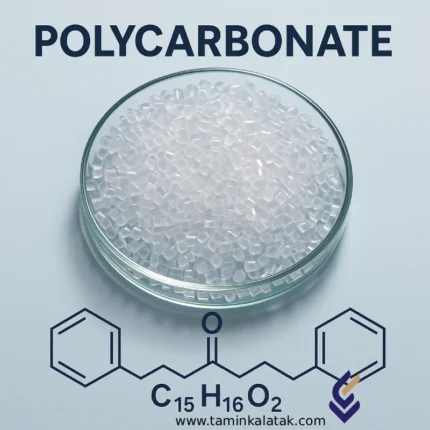
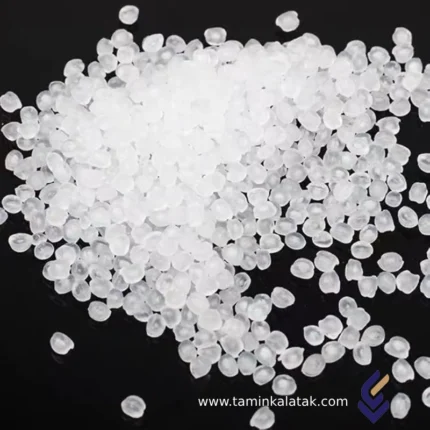
Polycarbonate (PC) is a high-performance transparent engineering thermoplastic primarily produced through the polymerization of bisphenol A (BPA) and phosgene (COCl₂).
Renowned for its exceptional impact resistance, optical clarity (up to 90% light transmission), thermal stability, and excellent processability, polycarbonate is widely used across industries such as safety equipment, automotive components, bullet-resistant glazing, medical devices, and electronics.
Its light weight and durability make PC an ideal substitute for glass and certain metals in demanding applications.


Chemical and Structural Overview

Polycarbonate consists of repeating carbonate linkages (–O–(C=O)–O–) within its polymer backbone.
It is typically synthesized via the reaction of bisphenol A (BPA) with phosgene or diphenyl carbonate (DPC).
This molecular configuration provides a unique balance between transparency, mechanical strength, thermal resistance, and ease of molding, establishing PC as one of the most versatile engineering polymers available.


Key Physical and Chemical Properties

  • Optical Transparency: Up to ~90% light transmittance, comparable to glass

  • Density: ~1.20–1.22 g/cm³ (lighter than glass)

  • Impact Strength: Up to 200× stronger than glass of equivalent thickness

  • Heat Resistance: Maintains mechanical integrity up to 120–130 °C

  • Chemical Resistance: Resistant to oils and greases; sensitive to strong organic solvents (e.g., acetone, toluene)

  • Processing Methods: Suitable for injection molding, extrusion, blow molding, and thermoforming


Major Applications

  • Automotive Industry: Headlamp lenses, impact-resistant glazing, interior panels

  • Construction: Polycarbonate sheets for skylights, greenhouses, and roofing panels

  • Electronics: CD/DVD discs, equipment housings, LED covers, and electrical insulators

  • Medical Field: Durable and sterilizable laboratory ware, device components

  • Personal Protection: Helmets, face shields, and safety goggles

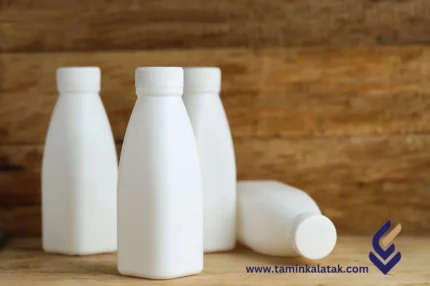
  • Specialty Packaging: Reusable bottles and high-impact containers


Advantages

  • Excellent optical clarity with high transparency

  • Superior impact and mechanical strength

  • Lightweight alternative to glass and metal

  • Outstanding dimensional stability and heat resistance

  • Self-extinguishing behavior; can be formulated with flame retardants

  • Long-term durability in harsh environmental conditions


Limitations

  • Scratch-sensitive surface — often requires hard coating for optical applications

  • UV degradation — may yellow or become brittle under sunlight without stabilizers

  • Higher cost compared to commodity plastics (PE, PP)

  • Moderate resistance to aggressive solvents such as ketones and aromatics


Safety and Storage Guidelines

  • Store in a cool, dry, well-ventilated area, away from direct sunlight

  • Avoid exposure to strong solvents (acetone, toluene, benzene)

  • Use industrial ventilation and protective masks during thermal processing (injection/extrusion)

  • Keep materials sealed to prevent moisture absorption prior to molding

  • Ensure workplace ventilation to avoid buildup of fumes from additives during processing


Summary

Polycarbonate (PC) offers a unique combination of transparency, strength, and versatility, making it a preferred choice in industries that demand both performance and aesthetics.
Its adaptability, toughness, and design flexibility have established it as one of the most valuable engineering plastics in the modern industrial landscape.

PolyCarbonates (PC)

Polycarbonate (PC) is a high-performance thermoplastic known for its transparency, impact resistance, heat resistance, and dimensional stability. It is widely used in applications requiring toughness and optical clarity.
Structure
Polycarbonate (PC) is a thermoplastic polymer with a molecular structure characterized by carbonate (-O-(C=O)-O-) groups in its backbone. It is typically synthesized through the reaction of bisphenol A (BPA) and phosgene (COCl₂) or via melt polymerization using diphenyl carbonate. The resulting polymer chain consists of repeating aromatic rings linked by carbonate groups, which contribute to its high impact resistance, optical clarity, and thermal stability. The rigid aromatic rings provide mechanical strength, while the carbonate linkages allow for some flexibility, making polycarbonate both strong and tough. This unique structure gives it excellent transparency, high heat resistance, and good electrical insulation properties, making it suitable for a wide range of applications in industries such as automotive, electronics, and construction.
Properties
Polycarbonate (PC) is known for its exceptional impact resistance, high optical clarity, and excellent thermal stability. It has a high glass transition temperature of around 150°C, allowing it to maintain its shape and mechanical properties under elevated temperatures. PC exhibits good dimensional stability and is resistant to deformation under stress, making it suitable for precision applications. It also possesses inherent flame resistance, with some grades meeting UL 94 V-0 standards. Due to its excellent electrical insulation properties, polycarbonate is widely used in electronic and electrical components. It has moderate chemical resistance but is sensitive to certain solvents and alkaline substances, which can cause stress cracking. Additionally, PC is highly transparent, with light transmission comparable to glass, making it useful in optical applications such as lenses and protective screens. While it offers good weather resistance, prolonged exposure to UV radiation can lead to yellowing and degradation unless stabilized with additives. These properties make polycarbonate a versatile material used in various industries, including automotive, construction, medical, and consumer electronics.
Applications of Polycarbonate (PC)
  • Automotive: Headlamp covers, sunroofs, interior panels, dashboards.
  • Electronics & Electrical: Laptop housings, smartphone cases, electrical enclosures, connectors.
  • Construction: Roofing panels, safety glazing, greenhouses, sound barriers.
  • Medical: Surgical instruments, syringe components, medical device housings.
  • Consumer Goods: Eyewear lenses, CDs/DVDs, reusable water bottles, protective shields.
  • Industrial: Machine guards, safety helmets, bulletproof glass laminates.
Advantages of Polycarbonate (PC)
  • High Impact Resistance: Nearly unbreakable, making it ideal for safety applications.
  • Optical Clarity: Transparent with light transmission similar to glass.
  • Heat Resistance: Withstands high temperatures without deforming.
  • Good Electrical Insulation: Suitable for electronic and electrical applications.
  • Flame Resistance: Some grades meet UL 94 V-0 standards.
  • Lightweight: Much lighter than glass while maintaining high strength.
  • Easy to Process: Can be molded into complex shapes.
Disadvantages of Polycarbonate (PC)
  • Prone to Scratching: Requires special coatings for improved surface hardness.
  • Chemical Sensitivity: Susceptible to stress cracking from certain solvents and chemicals.
  • UV Sensitivity: Can yellow and degrade under prolonged UV exposure unless treated.
  • Higher Cost: More expensive than other plastics like acrylic or ABS.
  • Not Very Flexible: Can be brittle under extreme conditions despite its toughness.

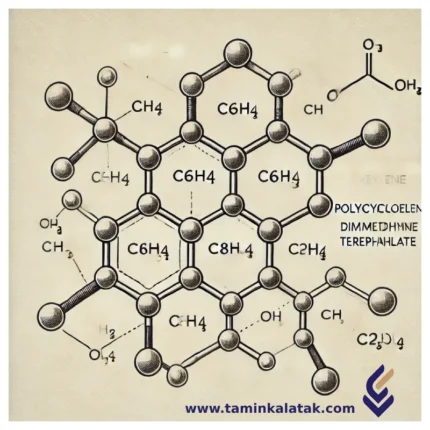
Polycy Clohexylene dimethylene Terephthalate (PCT-G)

Poly(methyl methacrylate) (PMMA), commonly known as acrylic or by brand names like Plexiglas, Lucite, and Perspex, is a synthetic polymer made from the polymerization of methyl methacrylate (MMA) monomers. It is a transparent thermoplastic material widely used in various industries due to its optical clarity, durability, and versatility.
Structure
The structure of Poly(methyl methacrylate) (PMMA) is based on the polymerization of methyl methacrylate (MMA) monomers. Each MMA monomer consists of a methacrylate group, which contains a carbon-carbon double bond (C=C) attached to a methyl group (CH3) and a methoxycarbonyl group (COO). During polymerization, the double bonds of the MMA monomers open up, linking the monomers into long chains. This process results in a polymer backbone of repeating units, where each unit contains a carbon atom bonded to a methyl group and a carbonyl group, forming a structure like -[CH2-C(CH3)COO]-. This repeating unit gives PMMA its characteristics, including its optical clarity, rigidity, and resistance to UV degradation. The polymerization creates a linear or branched structure that is highly crystalline or amorphous, depending on the processing conditions, which contributes to PMMA's strength and transparency.
Properties
Poly(methyl methacrylate) (PMMA) is a versatile and widely used polymer with several notable properties. It is known for its excellent optical clarity and transparency, often being used as a lightweight alternative to glass in applications such as windows, displays, and lenses. PMMA has good weather resistance, including UV stability, which helps prevent degradation, yellowing, or brittleness when exposed to sunlight. It is also relatively lightweight compared to glass, which makes it an attractive choice in applications where weight reduction is important. Additionally, PMMA has moderate chemical resistance, although it is susceptible to attack by strong acids, bases, and solvents like acetone. The material has a relatively high rigidity, making it resistant to deformation under normal conditions, though it is more brittle than other plastics such as polycarbonate. PMMA also has good electrical insulating properties and can be easily processed through methods like extrusion, injection molding, and casting. However, it is prone to scratching and requires careful handling or coating to maintain its clarity. Despite its brittleness, PMMA remains a popular choice due to its balance of clarity, weather resistance, and versatility.
Applications of Poly Methyl Meth Acrylate (PMMA)
  • Optical Lenses: Used in eyeglasses, camera lenses, and optical devices due to its excellent transparency and clarity.
  • Signage and Displays: Commonly used in illuminated signs, point-of-purchase displays, and advertising displays.
  • Automotive: Used in automotive lighting, such as headlights and tail lights, and in the production of interior and exterior parts.
  • Aerospace: Applied in aircraft windows, cockpit covers, and light fixtures for its light weight and optical properties.
  • Construction: Used in windows, skylights, facades, and other building materials as a glass alternative due to its durability and weather resistance.
  • Medical: Used in intraocular lenses (IOLs), bone cement, and other medical devices for its biocompatibility and clarity.
  • Aquarium Panels: Popular in large aquariums and tanks as a transparent, lightweight alternative to glass.
  • Furniture: Applied in the production of furniture, particularly in modern or minimalist designs for tables, chairs, and partitions.
Advantages of Poly Methyl Meth Acrylate (PMMA)
  • High Transparency: PMMA is highly transparent, making it an excellent choice for optical and display applications.
  • Lightweight: PMMA is significantly lighter than glass, which makes it easier to handle and install, reducing overall weight in many applications.
  • UV and Weather Resistance: PMMA has strong UV resistance, preventing yellowing and degradation when exposed to sunlight, making it suitable for outdoor applications.
  • Good Chemical Resistance: It is resistant to many common chemicals and environmental factors, which makes it durable in a wide range of conditions.
  • Ease of Processing: PMMA can be easily processed through various methods such as extrusion, injection molding, and casting, allowing for flexibility in design.
  • Versatile: It can be used in a wide range of industries, from medical and aerospace to consumer products, showcasing its broad utility.
Disadvantages of Poly Methyl Meth Acrylate (PMMA)
  • Brittleness: PMMA is more brittle compared to other plastics like polycarbonate, which makes it prone to cracking or breaking under impact.
  • Scratch Sensitivity: It is more easily scratched than other materials, which can degrade its appearance and clarity over time.
  • Chemical Sensitivity: While it has good chemical resistance, PMMA can still be affected by strong acids, bases, and some solvents like acetone.
  • Low Impact Resistance: PMMA is less impact-resistant than other materials like polycarbonate, making it less suitable for high-stress applications.
  • Limited Flexibility: PMMA is relatively rigid and can be prone to shattering under stress, which limits its use in applications that require flexibility or higher durability.

Polyether allyl alcohol

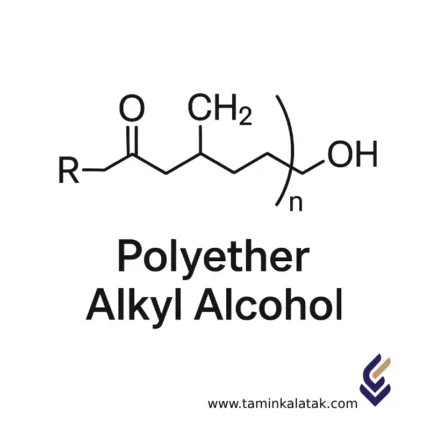
Polyether Alkyl Alcohols are a class of non-ionic surfactants produced through the ethoxylation of fatty alcohols.
These compounds contain both hydrophilic polyether chains (usually polyethylene glycol) and hydrophobic alkyl chains, giving them excellent ability to reduce surface tension, enhance wetting, and improve dispersibility.
They are widely used in detergent, agricultural, coating, adhesive, and industrial formulation applications.


Chemical Structure of Polyether Alkyl Alcohol

General Formula: R–(OCH₂CH₂)ₙ–OH

  • R group: Alkyl chain (typically C₈–C₁₆)

  • n: Number of ethylene oxide units (usually between 3 and 15)

  • Chemical nature: Non-ionic ethoxylated surfactant with amphiphilic properties (hydrophilic–hydrophobic balance)


Physical and Chemical Properties

Property Description
Appearance Clear to semi-viscous or wax-like liquid, colorless to pale yellow
Odor Mild alcoholic odor or odorless
Cloud Point Depends on ethoxylation degree (n value)
Solubility Soluble in water and most polar organic solvents
Stability Stable under neutral and mildly alkaline pH conditions

Applications of Polyether Alkyl Alcohol

1. Detergent and Cleaning Industries

  • Effective non-ionic surfactant with strong degreasing capability.

  • Suitable for household and industrial cleaning formulations (surface cleaners, glass cleaners, multipurpose cleaners).

  • Compatible with anionic and enzyme-based systems.

2. Agricultural Formulations

  • Acts as a spreader–wetting agent in pesticide and liquid fertilizer formulations.

  • Enhances leaf absorption and reduces wash-off of spray solutions.

  • Decreases surface tension of droplets for better coverage.

3. Paints and Coatings

  • Improves wetting in water-based paints.

  • Reduces surface tension and enhances film uniformity.

  • Serves as an eco-friendly alternative to petroleum-based surfactants.

4. Adhesives and Resins

  • Enhances component compatibility in waterborne systems.

  • Aids in emulsification of polymer formulations.

  • Increases surface lubricity and flow properties.

5. Cosmetics and Personal Care (limited use)

  • Functions as a dispersing, moisturizing, or homogenizing agent in select hair and skin formulations.

  • Must comply with IFRA safety guidelines and undergo dermal irritation testing before use.


Industrial Application Areas

  • Household and industrial detergents

  • Agricultural chemicals and adjuvants

  • Water-based paints and coatings

  • Emulsion-based adhesives and resins

  • Cosmetic formulations (restricted and regulated use)


Advantages of Polyether Alkyl Alcohol

  • High compatibility with aqueous and polar systems

  • Excellent surface tension reduction capability

  • Biodegradable in many natural-grade formulations

  • Stable across a wide pH range

  • Adjustable performance through variation in alkyl chain length and ethoxylation degree


Limitations of Polyether Alkyl Alcohol

  • High viscosity in certain grades

  • Sensitive to extremely acidic or basic environments over long exposure

  • Some grades may irritate skin or eyes upon direct contact

  • Restricted cosmetic use without full toxicological safety validation


Safety and Handling of Polyether Allyl Alcohol

Substance name: Polyether Allyl Alcohol
Chemical group: Reactive polyether polyols with allyl functionality
Typical uses: Raw material for UV-curable resins, copolymers, pressure-sensitive adhesives, and coatings


Physical and Chemical Hazards

Hazard Type Description
Flammability Depending on molecular weight and composition, some grades have a low flash point (90–130 °C).
Skin and Eye Irritation Liquid may cause moderate irritation upon direct contact.
Respiratory Sensitivity Vapors released during heating or spraying may irritate the respiratory tract.
Thermal and Photochemical Stability May slowly polymerize or degrade under prolonged UV exposure or excessive heat.

Personal Protective Measures

Protective Equipment Recommendation
Gloves Chemical-resistant gloves (nitrile or butyl rubber) are mandatory.
Eye & Face Protection Use safety goggles or a full-face shield to prevent splashes.
Protective Clothing Wear chemical-resistant lab coats or long-sleeved industrial garments.
Respiratory Protection For large-scale or spray applications, use a half-face respirator with organic vapor filter.

Emergency Measures

In case of spill:

  • Absorb the liquid with non-combustible absorbents (e.g., diatomaceous earth or industrial absorbent powder).

  • Ensure adequate ventilation and keep away from heat or open flame.

In case of skin or eye contact:

  • Immediately rinse with plenty of water and mild soap for at least 15 minutes.

  • Seek medical attention if irritation persists.

In case of inhalation:

  • Move the exposed person to fresh air.

  • If symptoms of respiratory distress occur, seek immediate medical attention.


Storage Conditions

Parameter Recommendation
Optimal storage temperature 5–30 °C — avoid freezing or overheating.
Container type Steel or polyethylene containers with tight seals and protection from moisture.
Light stability Store in dark containers or away from direct sunlight.
Incompatible materials Strong oxidizing agents, mineral acids, and peroxides.

Final Safety Recommendations

  • Prevent unintended self-polymerization when exposed to UV light or continuous heat.

  • Personnel handling this material must receive training in reactive and UV-sensitive chemical handling.

  • During transport, ensure proper labeling and classification in accordance with UN GHS standards.

  • Maintain an updated SDS (Safety Data Sheet) containing detailed information on toxicity, ecotoxicity, and reactivity at the workplace.

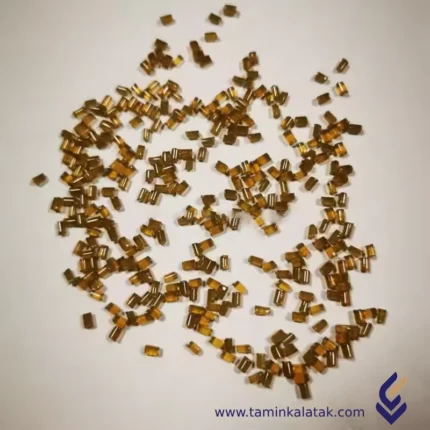
PolyEtherEtherKetone (PEEK)

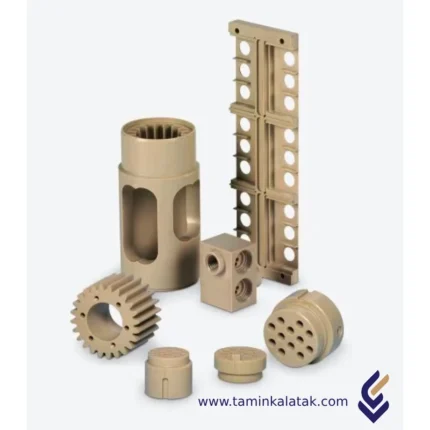
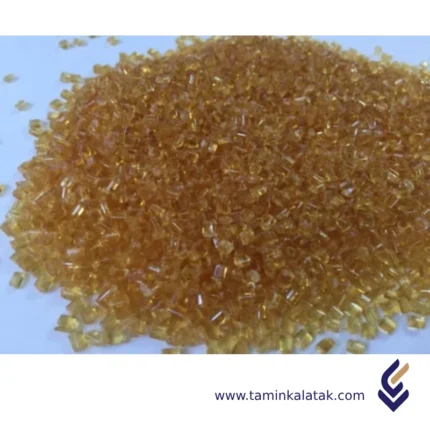
Polyetheretherketone (PEEK) is a high-performance engineering thermoplastic known for its excellent mechanical, chemical, and thermal properties. It belongs to the polyaryletherketone (PAEK) family and is widely used in demanding applications across industries such as aerospace, automotive, medical, and electronics.
Structure
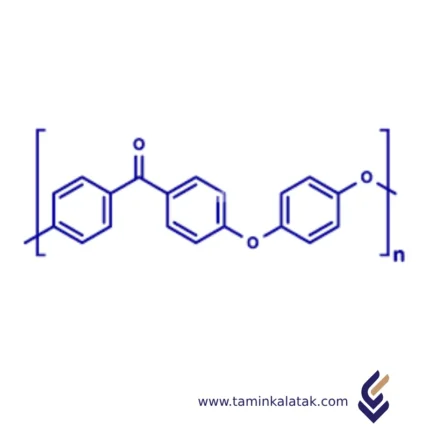
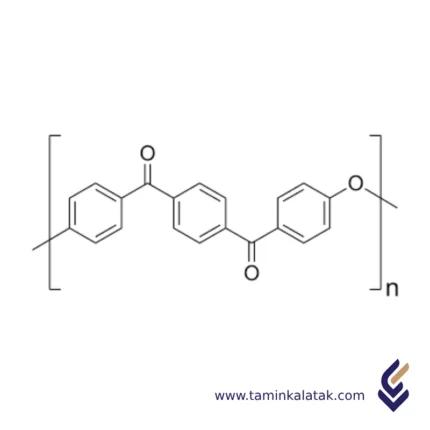
The structure of Polyetheretherketone (PEEK) consists of an aromatic backbone with repeating ether (-O-) and ketone (C=O) functional groups, which contribute to its high thermal and mechanical stability. Its molecular structure is composed of alternating benzophenone (C=O linked to benzene rings) and ether (-O-) linkages, forming a semi-crystalline polymer. The rigid aromatic rings provide strength and heat resistance, while the flexible ether bonds contribute to toughness and processability. This unique combination of structural elements gives PEEK its exceptional properties, such as high melting temperature, chemical resistance, and excellent mechanical performance under extreme conditions.
Properties
Polyetheretherketone (PEEK) is a high-performance thermoplastic with a unique combination of thermal, mechanical, and chemical properties. It exhibits excellent heat resistance, with a continuous service temperature of up to 250°C and a melting point of 343°C. PEEK has outstanding mechanical strength, high stiffness, and exceptional wear and abrasion resistance, making it suitable for demanding applications. It is highly resistant to chemicals, including acids, bases, and solvents, ensuring durability in harsh environments. The material also has low friction and self-lubricating properties, which enhance its performance in bearings and gears. Additionally, PEEK is biocompatible, making it ideal for medical implants and devices. Its excellent electrical insulation properties allow its use in electronic and electrical applications. Furthermore, it has low flammability, with minimal smoke and toxic gas emissions, contributing to its safety in high-performance applications.
Applications of Polyetheretherketone (PEEK)
  • Aerospace: Used in aircraft components, engine parts, and insulation due to its high-temperature resistance and lightweight properties.
  • Automotive: Applied in gears, bearings, seals, and electrical connectors for durability and reduced friction.
  • Medical: Used in orthopedic implants, spinal cages, and dental prosthetics due to its biocompatibility and sterilization resistance.
  • Oil and Gas: Employed in seals, valves, and pump components because of its chemical and pressure resistance.
  • Electronics: Utilized in connectors, insulators, and semiconductor manufacturing due to its excellent electrical insulation properties.
  • 3D Printing and Manufacturing: Used in additive manufacturing for high-performance components requiring strength and heat resistance.
Advantages of PEEK
  • High thermal resistance, maintaining stability up to 250°C.
  • Excellent mechanical strength and wear resistance.
  • Outstanding chemical resistance to acids, bases, and solvents.
  • Low friction and self-lubricating properties.
  • Biocompatible and sterilizable for medical applications.
  • Excellent electrical insulation properties.
  • Low flammability with minimal smoke and toxic gas emissions.
  • Lightweight, making it suitable for aerospace and automotive applications.
Disadvantages of PEEK
  • High cost compared to conventional plastics.
  • Difficult to process due to its high melting temperature.
  • Requires specialized equipment for injection molding or machining.
  • Limited availability compared to more common polymers.
  • Can degrade under prolonged exposure to strong acids and UV radiation.

PolyEtherImide (PEI)

Polyetherimide (PEI) is a high-performance engineering thermoplastic known for its excellent mechanical, thermal, and chemical properties. It is commonly used in demanding applications across industries like aerospace, automotive, medical, and electronics.
Structure
Polyetherimide (PEI) is an amorphous thermoplastic polymer with a backbone structure that consists of repeating ether and imide groups. The ether (-O-) linkages provide flexibility and improved processability, while the imide (-CO-N-CO-) groups contribute to the polymer's high thermal stability, mechanical strength, and chemical resistance. The structure typically includes aromatic rings, which enhance rigidity and thermal performance. The combination of these functional groups results in a polymer that exhibits excellent dimensional stability, flame resistance, and dielectric properties. Due to this unique molecular structure, PEI maintains its strength and stiffness at high temperatures, making it suitable for demanding engineering applications.
Properties
Polyetherimide (PEI) is a high-performance thermoplastic known for its exceptional mechanical, thermal, and electrical properties. It has a high glass transition temperature of around 217°C, allowing it to maintain structural integrity in extreme heat conditions. PEI exhibits excellent tensile and flexural strength, providing durability and resistance to deformation under load. It is naturally flame-retardant with low smoke emission, making it ideal for aerospace and electronic applications. The polymer also offers good chemical resistance to a variety of solvents, oils, and weak acids, though it is sensitive to strong bases. With excellent electrical insulation properties, PEI is widely used in electrical and electronic components. Additionally, it has low thermal expansion and good dimensional stability, ensuring precision in high-temperature environments. Its inherent transparency and ability to be colored make it versatile for different industrial applications.
Applications of Polyetherimide (PEI)
  • Aerospace components such as interior panels, ducts, and electrical connectors due to flame resistance and lightweight properties.
  • Automotive parts including under-the-hood components, sensor housings, and lighting systems requiring high heat resistance.
  • Medical devices and surgical instruments that require repeated sterilization and durability.
  • Electrical and electronic components such as insulating connectors, circuit boards, and semiconductor processing equipment.
  • 3D printing, particularly in high-performance applications using PEI-based filaments like ULTEM™ 9085 and ULTEM™ 1010.
  • Industrial and food processing equipment where high heat and chemical resistance are necessary.
Advantages of Polyetherimide (PEI)
  • High thermal stability, maintaining performance in temperatures up to 217°C.
  • Excellent mechanical strength and stiffness, providing durability in demanding environments.
  • Naturally flame-retardant with low smoke emission, ideal for safety-critical applications.
  • Good chemical resistance against many solvents, oils, and weak acids.
  • Excellent electrical insulation properties, making it suitable for electronic applications.
  • Good dimensional stability with low creep, ensuring precision over time.
  • Can be processed using various methods including injection molding, extrusion, and 3D printing.
Disadvantages of Polyetherimide (PEI)
  • Relatively high cost compared to other engineering plastics.
  • Brittle nature under certain conditions, especially in impact-prone applications.
  • Limited resistance to strong bases and some polar solvents.
  • Requires high processing temperatures, which may increase manufacturing costs.
  • Can absorb moisture, affecting mechanical properties if not properly dried before processing.

PolyEtherKetoneKetone (PEKK)

PolyEtherKetoneKetone (PEKK) is a high-performance thermoplastic polymer belonging to the polyaryletherketone (PAEK) family. It is known for its excellent mechanical, thermal, and chemical resistance properties, making it a preferred material in demanding applications such as aerospace, automotive, medical, and industrial manufacturing.
Structure
PolyEtherKetoneKetone (PEKK) is a semi-crystalline polymer consisting of repeating aromatic rings linked by ether (–O–) and ketone (–C=O–) functional groups. Its backbone structure is based on polyaryletherketone (PAEK) chemistry, where the ratio and arrangement of ether and ketone groups influence its crystallinity and thermal properties. PEKK has a unique molecular structure that allows for variations in the placement of ketone groups, leading to different isomeric forms, primarily the Terephthaloyl (T) and IsoPhthaloyl (I) forms. These variations affect its processing characteristics and mechanical performance. The presence of ketone groups enhances its thermal stability, while the ether linkages provide flexibility, making PEKK a versatile material for high-performance applications.
Properties
PolyEtherKetoneKetone (PEKK) exhibits a combination of high mechanical strength, excellent thermal stability, and outstanding chemical resistance, making it suitable for demanding applications. It can withstand continuous use temperatures of up to 260°C and has inherent flame retardancy with low smoke and toxicity emissions. PEKK offers superior wear and abrasion resistance, ensuring durability in high-friction environments. Its chemical resistance allows it to withstand exposure to acids, solvents, and hydrocarbons. The polymer’s crystallinity can be tailored, providing flexibility in processing through injection molding, extrusion, and 3D printing. Compared to other polyaryletherketones, PEKK has lower crystallization rates, allowing for better adhesion in composite materials and easier manufacturability. These properties make it a preferred choice in aerospace, automotive, medical, and industrial applications where high performance is required.
Advantages of PolyEtherKetoneKetone (PEKK)
  • High thermal stability, withstanding temperatures up to 260°C
  • Excellent mechanical strength and durability
  • Superior chemical resistance to acids, solvents, and hydrocarbons
  • Inherent flame retardancy with low smoke and toxicity emissions
  • Exceptional wear and abrasion resistance for high-friction applications
  • Tunable crystallinity for improved processability and composite adhesion
  • Good electrical insulation properties for electronic applications
  • Compatible with various manufacturing techniques, including injection molding, extrusion, and 3D printing
Disadvantages of PolyEtherKetoneKetone (PEKK)
  • Higher cost compared to standard thermoplastics
  • Requires specialized processing equipment due to high melting temperatures
  • Limited availability compared to more common engineering plastics
  • Can be brittle in some formulations depending on crystallinity levels
Applications of PolyEtherKetoneKetone (PEKK)
  • Aerospace & Defense: Structural components, aircraft interiors, and engine parts
  • Automotive: Lightweight alternatives to metal components for fuel efficiency
  • Medical: Biocompatible implants, prosthetics, and surgical instruments
  • Electronics: High-performance insulation materials, connectors, and circuit board components
  • Oil & Gas: Seals, tubing, and bearings for extreme temperature and chemical resistance
  • 3D Printing: Used in additive manufacturing for high-strength, heat-resistant parts

PolyEthylene Furanoate (PEF)

Polyethylene furanoate (PEF) is a bio-based and biodegradable polymer recognized as a potential alternative to polyethylene terephthalate (PET) for packaging and various industrial applications. This polymer is synthesized from the monomers furan-2,5-dicarboxylate and ethylene glycol, offering improved mechanical and thermal properties compared to PET.

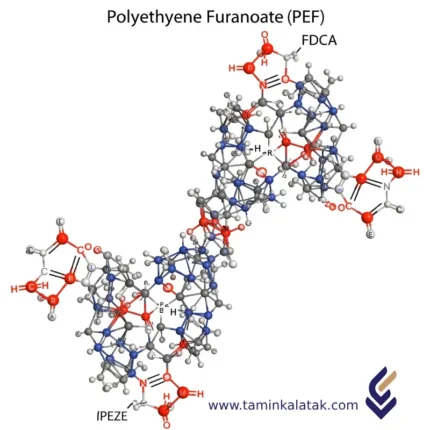
Structure PolyEthylene Furanoate 

PEF is produced through a polymerization reaction involving the monomers furan-2,5-dicarboxylic acid (FDCA) and ethylene glycol (EG). The furan ring in its structure enhances the rigidity and thermal resistance of the polymer. The chemical structure of PEF can be described as follows:

  • The main polymer chain consists of ester linkages connected to a furan ring.

  • The furan ring, due to its unique aromatic-like structure, contributes to the polymer’s enhanced mechanical and thermal properties.

Properties PolyEthylene Furanoate 

  • Bio-based and renewable: derived from biological resources such as carbohydrates

  • High thermal resistance: melting point around 215–220°C

  • Excellent gas barrier properties: lower permeability to oxygen and carbon dioxide compared to PET

  • Good transparency and mechanical strength: high tensile strength with optical clarity

  • Recyclable: capable of both thermal and chemical recycling

Applications PolyEthylene Furanoate 

  • Food and beverage packaging, owing to its superior gas barrier performance

  • Manufacturing of plastic bottles with extended product shelf life

  • Textile and industrial filament production

  • Automotive and electronic components requiring high thermal resistance

Disadvantages PolyEthylene Furanoate 

  • Higher production cost compared to polyethylene terephthalate (PET)

  • Requires specialized technology for processing due to its unique properties

  • Still limited in large-scale commercialization compared to PET

Advantages PolyEthylene Furanoate 

  • Environmentally friendly due to its biological origin and recyclability

  • Superior mechanical and thermal performance compared to PET

  • Reduced gas permeability, enhancing product preservation and shelf life

  • Decreased dependence on fossil-based raw materials

Polyethylene Glycol

Polyethylene glycol is a highly functional synthetic polymer used in various industries due to its unique properties. It is composed of repeating units of ethylene oxide and exists in liquid, solid, or wax-like forms.
Properties of Polyethylene Glycol
High solubility: Soluble in water and many organic solvents. Inertness: It is chemically neutral and compatible with many materials. Adjustable viscosity: By changing the molecular weight, its viscosity can be adjusted. Non-toxic: It is not toxic to humans and the environment at low concentrations. Odorless and colorless: In its pure form, it is odorless and colorless.
Applications of polyethylene glycol
Pharmaceutical industry: As a drug carrier In the manufacture of tablets, capsules and suppositories As a laxative Cosmetic and hygiene industry: In the production of creams, lotions, shampoos and conditioners As an emulsifier and thickener Food industry: As an emulsifier, lubricant and anti-sticking agent In the production of ice cream, powdered milk and other food products Textile industry: As a softener and anti-wrinkle agent Paint and resin industry: As a solvent and emulsifier Automotive industry: As an anti-freeze and lubricant Benefits of using polyethylene glycol High biocompatibility: Suitable for use in pharmaceutical and cosmetic products. Adjustable physical properties: Its properties can be adjusted by changing the molecular weight. Non-toxic: It is not toxic to humans and the environment at low concentrations. Wide application: It is used in various industries.

Polyethylene Glycol 200

Polyethylene glycol 200 (PEG 200) is a member of the polyethylene glycol family that is widely used in various industries due to its unique properties. It is a clear, colorless liquid with low viscosity that dissolves easily in water. The number 200 in its name refers to the average molecular weight of this compound.
Properties of polyethylene glycol 200
High solubility: Soluble in water and many organic solvents. Low viscosity: Has a low viscosity due to its low molecular weight. Non-toxic: Not toxic to humans or the environment at low concentrations. Inertness: It is chemically neutral and compatible with many materials. Low freezing point: It has a low freezing point, making it suitable for use in antifreeze products.
Applications of Polyethylene Glycol 200
Pharmaceutical industry: As a solvent for various drugs In the manufacture of creams, lotions and ointments As a softening agent in tablets Cosmetic and health industry: As a carrier for active ingredients In the production of creams, lotions and shampoos As a moisturizer Food industry: As a softener and solvent In the production of ice cream, powdered milk and other food products Textile industry: As a softener and anti-wrinkle agent Paint and resin industry: As a solvent and emulsifier

Polyethylene Glycol 300

Polyethylene Glycol 300 (PEG 300) is a member of the polyethylene glycol family that is widely used in various industries due to its unique properties. It is a clear, colorless liquid with low viscosity that dissolves easily in water. The number 300 in its name refers to the average molecular weight of this compound.
Properties of polyethylene glycol 300
High solubility: Soluble in water and many organic solvents. Low viscosity: Has a low viscosity due to its low molecular weight. Non-toxic: Not toxic to humans or the environment at low concentrations. Inertness: It is chemically neutral and compatible with many materials. Low freezing point: It has a low freezing point, making it suitable for use in antifreeze products.
Applications of Polyethylene Glycol 300
Pharmaceutical industry: As a solvent for various drugs In the manufacture of creams, lotions and ointments As a softening agent in tablets Cosmetic and hygiene industry: As a carrier for active ingredients In the production of creams, lotions and shampoos As a moisturizer Food industry: As a softener and solvent In the production of ice cream, powdered milk and other food products Textile industry: As a softener and anti-wrinkle agent Paint and resin industry: As a solvent and emulsifier Benefits of using Polyethylene Glycol 300 High biocompatibility: Suitable for use in pharmaceutical and cosmetic products. Adjustable physical properties: Its properties can be adjusted by changing the molecular weight. Non-toxic: It is not toxic to humans and the environment at low concentrations. Wide application: It is used in various industries. Safety Notes Eye and skin contact: May cause irritation. Inhalation: Inhalation of vapors may cause respiratory tract irritation. Ingestion: Ingestion of large amounts may cause gastrointestinal problems.

Polyethylene Glycol 400

Polyethylene Glycol 400 is another member of the polyethylene glycol family that is widely used in various industries due to its unique properties. It is a clear, colorless liquid with low viscosity that dissolves easily in water. The number 400 in its name refers to the average molecular weight of the compound.
Properties of Polyethylene Glycol 400
High solubility: Soluble in water and many organic solvents. Low viscosity: Low viscosity due to low molecular weight. Non-toxic: Not toxic to humans or the environment at low concentrations. Inertness: Chemically neutral and compatible with many materials. Low freezing point: It has a low freezing point, making it suitable for use in antifreeze products.
Applications of Polyethylene Glycol 400
Pharmaceutical industry: As a solvent for various drugs In the manufacture of creams, lotions and ointments As a softening agent in tablets Cosmetic industry: As a carrier for active ingredients In the production of creams, lotions and shampoos As a moisturizer Food industry: As a softener and solvent In the production of ice cream, powdered milk and other food products Textile industry: As a softener and anti-wrinkle agent Paint and resin industry: As a solvent and emulsifier Automotive industry: As an antifreeze and lubricant