




Methoxypropyl Acetate
Methoxypropyl Acetate is an organic compound with the chemical formula C₆H₁₂O₃. It's a colorless liquid with a mild odor, often used as a solvent in various industries.
Key Properties of Methoxypropyl Acetate:
- Low toxicity: Relatively safe to use compared to other solvents.
- Good solvency: Dissolves a wide range of substances, including resins, dyes, and polymers.
- Low odor: Mild odor, making it suitable for applications where strong odors are undesirable.
- Good evaporation rate: Dries quickly, making it ideal for coatings and inks.
Applications of Methoxypropyl Acetate
- Coatings and Paints: Used as a solvent in various coatings, including paints, varnishes, and lacquers.
- Printing Inks: Employed as a solvent in ink formulations, especially for inkjet and screen printing.
- Cleaning Products: Used in cleaning solutions and degreasers.
- Adhesives: Utilized as a solvent in adhesive formulations.
- Chemical Intermediate: Used in the synthesis of other chemicals.
Safety Considerations
While methoxypropyl acetate is generally safe, it's important to handle it with care:
- Flammability: It is a flammable liquid, so it should be kept away from heat and open flames.
- Skin and Eye Irritation: Contact with skin or eyes can cause irritation.
- Inhalation: Prolonged inhalation of vapors can be harmful.
In conclusion, methoxypropyl acetate is a versatile solvent with a wide range of applications. Its low toxicity, good solvency properties, and mild odor make it a preferred choice in various industries. However, it's essential to handle it with care and follow safety guidelines.
Methyl Acetate
Methyl Acetate is an organic compound with the chemical formula CH₃COOCH₃. It is a colorless liquid with a distinctive sweet odor, often reminiscent of some glues and nail polish removers.
Properties of Methyl AcetatePleasant odor: This characteristic makes it useful in various applications. Good solvent: It's a versatile solvent, dissolving a wide range of substances. Low toxicity: Compared to many other solvents, it's relatively low in toxicity. Flammability: It's highly flammable, so it should be handled with care.
Applications of Methyl AcetateMethyl acetate finds applications in various industries: Solvent: Used as a solvent in paints, coatings, and adhesives. Employed in the production of nail polish removers and other cleaning products. Chemical Intermediate: Used in the synthesis of other chemicals, such as acetic anhydride. Extraction Solvent: Utilized in extraction processes to separate compounds. Flavoring Agent: Its pleasant odor makes it suitable as a flavoring agent in food and beverages. Safety Considerations While methyl acetate is a useful compound, it's important to handle it with care due to its flammability: Fire Hazard: Keep away from heat, sparks, and open flames. Inhalation: Avoid inhaling vapors as it can be harmful. Skin and Eye Contact: Avoid contact with skin and eyes. In conclusion, methyl acetate is a versatile organic compound with a wide range of applications. Its unique properties, including its pleasant odor and excellent solvent properties, make it a valuable ingredient in many products. However, it's crucial to handle it with care and follow safety guidelines.
Methyl acrylate (MAA)
Lorem ipsum dolor sit amet, consectetur adipiscing elit. Vestibulum sagittis orci ac odio dictum tincidunt. Donec ut metus leo. Class aptent taciti sociosqu ad litora torquent per conubia nostra, per inceptos himenaeos. Sed luctus, dui eu sagittis sodales, nulla nibh sagittis augue, vel porttitor diam enim non metus. Vestibulum aliquam augue neque. Phasellus tincidunt odio eget ullamcorper efficitur. Cras placerat ut turpis pellentesque vulputate. Nam sed consequat tortor. Curabitur finibus sapien dolor. Ut eleifend tellus nec erat pulvinar dignissim. Nam non arcu purus. Vivamus et massa massa.
Methyl Ethyl Ketone
Methyl ethyl ketone, also known as 2-butanone, is an organic compound with the formula CH₃C(O)CH₂CH₃. It's a colorless liquid with a sharp, sweet odor, similar to acetone.
Properties of Methyl ethyl ketoneSolvency: MEK is a powerful solvent, capable of dissolving a wide range of substances, including paints, resins, and adhesives. Volatility: It is a volatile liquid, meaning it evaporates quickly. Flammability: MEK is highly flammable and its vapors can form explosive mixtures with air.
Applications of Methyl ethyl ketoneIndustrial Solvent: MEK is widely used as a solvent in various industries, including: Paint and Coatings: It's a common solvent in paints, varnishes, and lacquers. Cleaning: It's used for cleaning metal parts and electronic components. Adhesives: It's used as a solvent in adhesives and sealants. Chemical Intermediate: MEK is used as an intermediate in the production of other chemicals. Laboratory Use: It's used as a solvent in laboratory settings for various purposes.
Safety ConsiderationsWhile MEK is a versatile solvent, it's important to handle it with care due to its flammability and potential health hazards. Flammability: MEK vapors can easily ignite, so it's crucial to keep it away from open flames and heat sources. Health Risks: Prolonged exposure to MEK can cause irritation to the eyes, skin, and respiratory tract. Inhalation of high concentrations can be harmful. Environmental Impact: MEK can be harmful to aquatic life, so it's important to dispose of it properly. Always follow safety guidelines and wear appropriate protective equipment when working with MEK.
Methyl Isobutyl Ketone
Methyl isobutyl ketone or 4-methyl-2-pentanone is an organic compound with the chemical formula (CH₃)₂CHCH₂C(O)CH₃. It is a clear colorless liquid with a benzaldehyde-like odor. It has a wide range of applications in various industries due to its unique physical and chemical properties.
Physical and chemical properties of methyl isobutyl ketoneSolubility: This substance is a polar solvent and can dissolve various organic materials such as resins, paints, varnishes, and oils. Volatile: It is relatively volatile and evaporates quickly. Density: It is less dense than water. Boiling point: It has a higher boiling point than acetone, which makes it more stable in higher temperature processes. Flammability: The vapors are flammable and should be kept away from flames and heat sources.
Applications of Methyl Isobutyl KetonePaint and Coating Industry: Used as a strong solvent in the production of paints, varnishes, and protective coatings. Chemical Industry: Used as a solvent in the production of resins, adhesives, and other chemicals. Pharmaceutical Industry: Used as a solvent in the production process of some drugs. Food Industry: Used in the production of some food additives. Extraction: Used to extract metals from ores and vegetable oils.
Advantages of using Methyl Isobutyl KetoneHigh solubility: Has the ability to dissolve a wide range of substances. Thermal stability: More stable to heat than some other solvents. Low toxicity: Less toxic compared to some other solvents. Safety tips when working with Methyl Isobutyl Ketone Flammability: The vapors are highly flammable, so contact with flames and heat sources should be avoided. Toxicity: Prolonged contact with can cause irritation to the skin, eyes and respiratory tract. Adequate ventilation: When working with, adequate ventilation should be used. Protective equipment: The use of gloves, safety glasses and a mask is essential when working with.
Methyl methacrylate
Lorem ipsum dolor sit amet, consectetur adipiscing elit. Vestibulum sagittis orci ac odio dictum tincidunt. Donec ut metus leo. Class aptent taciti sociosqu ad litora torquent per conubia nostra, per inceptos himenaeos. Sed luctus, dui eu sagittis sodales, nulla nibh sagittis augue, vel porttitor diam enim non metus. Vestibulum aliquam augue neque. Phasellus tincidunt odio eget ullamcorper efficitur. Cras placerat ut turpis pellentesque vulputate. Nam sed consequat tortor. Curabitur finibus sapien dolor. Ut eleifend tellus nec erat pulvinar dignissim. Nam non arcu purus. Vivamus et massa massa.
Methyl methacrylate (MMA)
Lorem ipsum dolor sit amet, consectetur adipiscing elit. Vestibulum sagittis orci ac odio dictum tincidunt. Donec ut metus leo. Class aptent taciti sociosqu ad litora torquent per conubia nostra, per inceptos himenaeos. Sed luctus, dui eu sagittis sodales, nulla nibh sagittis augue, vel porttitor diam enim non metus. Vestibulum aliquam augue neque. Phasellus tincidunt odio eget ullamcorper efficitur. Cras placerat ut turpis pellentesque vulputate. Nam sed consequat tortor. Curabitur finibus sapien dolor. Ut eleifend tellus nec erat pulvinar dignissim. Nam non arcu purus. Vivamus et massa massa.
Methyl Vinyl Silicone Rubber MVQ
MVQ (Methyl Vinyl Silicone Rubber) is unique and is used in various industries. This material is known as a suitable alternative to many other materials due to its high resistance to temperature, chemicals, weather and air, as well as high flexibility.
Silicone Rubber FeaturesHigh Thermal Resistance: Silicone rubber is resistant to very high and low temperatures and does not deform. High Chemical Resistance: It is resistant to many chemicals such as acids, bases and solvents. Electrical Insulation: It is an excellent insulator for electric current. High Flexibility: It maintains its flexibility even at low temperatures. Weathering Resistance: It is resistant to UV rays, ozone and other atmospheric agents. Biological Inertness: It is compatible with body tissues and is widely used in the medical industry.
Applications of Silicone RubberAutomotive Industry: Production of gaskets, seals, hoses and engine parts Electrical and Electronics Industry: Insulation of wires, Production of electronic components and insulation of electrical equipment Medical industry: Production of medical tubes, surgical gloves, implants and parts of medical devices Aerospace industry: Production of parts resistant to high temperatures and pressures Construction industry: Production of sealants, insulation and protective coatings Food industry: Production of parts of packaging and food production machines
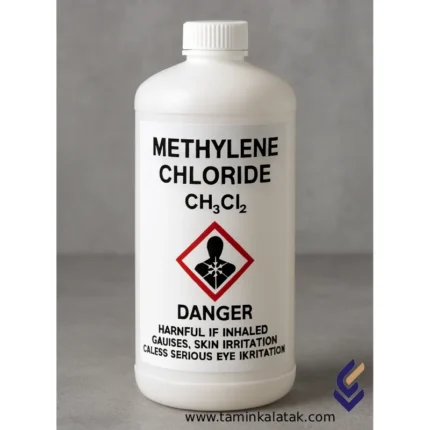
Methylene chloride
Dichloromethane (DCM), also known as Methylene Chloride, is a colorless, volatile, and powerful chlorinated solvent with a mild, sweet odor.
It is widely used across various industries due to its exceptional solvent power, rapid evaporation rate, and chemical stability.
DCM is recognized globally as one of the most versatile and effective solvents in coatings, pharmaceuticals, adhesives, polymers, and chemical processing.
Chemical Structure and Identification
-
Chemical Formula: CH₂Cl₂
-
Molecular Weight: 84.93 g/mol
-
IUPAC Name: Dichloromethane
-
CAS Number: 75-09-2
-
Structure: One carbon atom bonded to two chlorine and two hydrogen atoms, forming a tetrahedral geometry.
Physical and Chemical Properties
| Property | Value |
|---|---|
| Physical State | Clear, colorless liquid |
| Odor | Sweet and mild |
| Boiling Point | 39.6 °C |
| Melting Point | −96.7 °C |
| Density (20 °C) | 1.322 g/cm³ |
| Vapor Pressure (20 °C) | 47.3 kPa |
| Water Solubility | 20 g/L |
| Refractive Index (nD20) | 1.4244 |
| Viscosity (25 °C) | 0.43 mPa·s |
| Flammability | Non-flammable (but vapor is toxic and heavier than air) |
Key Advantages
-
Excellent solvent power for resins, fats, waxes, and many polymers
-
Fast evaporation with no greasy residues
-
Good chemical stability under standard conditions
-
Non-flammable, safer than many hydrocarbon-based solvents
-
Broad industrial usability, from paints to pharmaceuticals
Limitations and Safety Concerns
-
Toxic via inhalation or prolonged exposure — affects the nervous system and liver
-
Classified as a suspected carcinogen by several regulatory agencies
-
Ozone-depleting potential when released into the atmosphere
-
Restricted use in some countries due to environmental and occupational safety regulations
Major Industrial Applications
1. Paints and Coatings
-
Paint and varnish remover
-
Solvent for resins, lacquers, and coatings
2. Pharmaceuticals
-
Extraction of active pharmaceutical ingredients (API)
-
Solvent for crystallization and purification processes
3. Plastics and Polymers
-
Blowing agent in polyurethane foam production
-
Solvent in adhesives and sealant formulations
4. Food and Beverage Industry
-
Used in decaffeination of coffee and tea (under strictly controlled conditions for residue limits)
5. Laboratory and Industrial Uses
-
Degreasing and cleaning of metal parts
-
Intermediate in organic synthesis and fine chemical production
Health, Safety, and Storage
Main Hazards
-
Toxic by inhalation, ingestion, or skin contact
-
May cause dizziness, headache, or central nervous system depression
-
Prolonged exposure can damage liver and lungs
Personal Protective Equipment (PPE)
-
Chemical-resistant gloves (neoprene or Viton)
-
Safety goggles and face shield
-
Organic vapor respirator or chemical fume hood required during use
Storage Conditions
-
Store in tightly sealed metal or HDPE containers
-
Keep away from heat, open flames, and direct sunlight
-
Maintain in a cool, dry, well-ventilated area
Emergency Measures
-
Skin contact: Wash thoroughly with soap and water
-
Eye contact: Rinse with water for at least 15 minutes
-
Inhalation: Move to fresh air and seek medical attention immediately
Summary
Methylene Chloride (Dichloromethane) remains an essential industrial solvent due to its high efficiency, versatility, and non-flammable nature.
However, its toxicological and environmental impact requires strict adherence to safety protocols, ventilation standards, and regulatory guidelines.
When handled responsibly, DCM offers unmatched performance in numerous industrial and chemical processing applications.
Methylene Diphenyl Diisocyanate (MDI)
MDI stands for methylene diphenyl diisocyanate. It is a very important organic chemical compound with the chemical formula C₁₅H₁₀N₂O₂. MDI is used as a monomer in the production of polyurethanes. Polyurethanes are a large group of polymers that have very wide applications in various industries.
Applications of Methylene Diphenyl DiisocyanateRefrigeration and refrigeration industries (production of rigid polyurethane foams) Industries manufacturing strong industrial adhesives Production of interior accessories such as car seats, dashboards, etc. Painting industries Construction industries (production of thermal insulation) Casting industry Industries manufacturing shoe soles, etc.
Middle/Cushion Rubber
Lorem ipsum dolor sit amet, consectetur adipiscing elit. Vestibulum sagittis orci ac odio dictum tincidunt. Donec ut metus leo. Class aptent taciti sociosqu ad litora torquent per conubia nostra, per inceptos himenaeos. Sed luctus, dui eu sagittis sodales, nulla nibh sagittis augue, vel porttitor diam enim non metus. Vestibulum aliquam augue neque. Phasellus tincidunt odio eget ullamcorper efficitur. Cras placerat ut turpis pellentesque vulputate. Nam sed consequat tortor. Curabitur finibus sapien dolor. Ut eleifend tellus nec erat pulvinar dignissim. Nam non arcu purus. Vivamus et massa massa.
Mildew proof Agents
Anti-mold agents are specialized additives used to prevent the growth of mold and mildew on various surfaces, especially in environments prone to moisture and humidity. These agents are commonly used in paints, coatings, textiles, and other materials to ensure long-term protection.
Types of Mildew-Proof Agents
Biocides: These are chemicals that kill or inhibit the growth of microorganisms. Common biocides used in mildew-proof agents include isothiazolinones and quaternary ammonium compounds.
Antimicrobial Additives: These additives prevent the growth of bacteria, fungi, and mildew. They are often used in paints and coatings.
Water-Repellent Additives: These additives reduce the absorption of moisture by surfaces, thereby preventing the conditions that favor mildew growth.


