




Carbosil 200
Carbosil 200 is an industrial chemical product that is widely used in various industries, especially in the detergent and ceramic industries. This product is actually a mixture of two important chemicals:
Sodium carbonate: An alkaline compound used as a pH regulator and water softener in many industrial processes.
Sodium silicate: A silica compound used as a binder, stabilizer, and reinforcing agent in many products.
Carbosil 200 Applications
- Suitable for the formulation of washing machine and manual powders
- Suitable for the formulation of dishwashing powders
- Suitable for car wash powder formulation
- Ceramic tile industry
Features and benefits:
- Create proper alkalinity
- Increased solubility
- Buffering the washing medium
- Reduce water hardness
- Reduce product density
Castor Oil
Castor Oil is a vegetable oil extracted from the seeds of the castor plant. This oil has long been used in various industries and traditional medicine due to its unique properties.
Castor oil propertiesCastor oil has the following unique properties due to the presence of ricinoleic acid, an unsaturated fatty acid: Laxative property: Castor oil is known as a natural laxative due to its stimulation of the colon. Anti-inflammatory properties: This oil has anti-inflammatory properties and can be effective in relieving pain and inflammation of joints and muscles. Antibacterial and antifungal properties: Castor oil can be effective in treating some skin and fungal infections due to its antimicrobial properties. Skin and hair softener: Castor oil can be used to soften skin and hair due to its moisturizing properties. Hair strengthener: This oil can help strengthen hair roots and reduce hair loss. Treatment of some skin diseases: Castor oil is effective in treating some skin diseases such as eczema and psoriasis.
Castor oil usesCastor oil has a wide range of uses due to its diverse properties: Cosmetics and health industry: It is used in the production of various creams, lotions, soaps and shampoos. Pharmaceutical industry: It is used as a laxative and in the production of some medicines. Food industry: It is used as a softener in the production of some foods. Textile industry: It is used in the production of industrial and textile fabrics. Paint and resin industry: It is used as a softener and color stabilizer.
Cationic Surfactant
Anionic surfactants are one of the most common and important types of surfactants, widely used in the detergent and cosmetic industries. These substances have a negative charge on the hydrophilic part of their molecule and are therefore called anions.
Applications of anionic surfactants
- Detergent industries
- Cosmetics and health industries
- Textile industries
- Oil and gas industries
Advantages of anionic surfactantsHigh cleaning power: They remove fats and oils well. Good foaming: They create abundant foam in detergent products. Affordable price: They are more affordable than other types of surfactants.
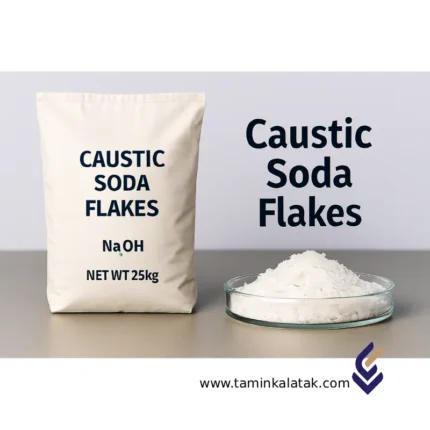
Caustic soda Flakes
Caustic Soda Flakes, also known as solid sodium hydroxide (NaOH), is a highly caustic, strong alkaline compound appearing as white flakes. It is produced by evaporating a 50% caustic soda (liquid NaOH) solution.
This material reacts vigorously with acids, light metals, water, oils, and fats, and is widely used across chemical, petrochemical, detergent, food, textile, and oil & gas industries.
Chemical Structure of Caustic Soda Flakes
-
Chemical Name: Sodium Hydroxide
-
Chemical Formula: NaOH
-
Ionic Structure: Na⁺ and OH⁻ ions in an orthorhombic crystal lattice
-
CAS Number: 1310-73-2
-
EC Number: 215-185-5
-
Molecular Weight: 40.00 g/mol
Physical and Chemical Properties
| Property | Description |
|---|---|
| Physical State | White solid flakes |
| Melting Point | 318°C |
| Boiling Point / Decomposition | 1,388°C (decomposes to Na₂O and H₂O at high temperatures) |
| Density | 2.13 g/cm³ |
| pH (1% aqueous solution) | 13 – 14 |
| Solubility in Water | Highly soluble; exothermic reaction upon dissolution |
| Reactivity | Extremely reactive with water, acids, and light metals (e.g., aluminum, zinc) – releases flammable hydrogen gas |
| Odor / Viscosity | Odorless; non-viscous (solid form) |
Applications of Caustic Soda Flakes
Detergent and Cleaning Industries
-
Manufacturing of solid and liquid soaps, dishwashing liquids, degreasers, bleaches, and disinfectants
-
Fat and oil removal in industrial wastewater treatment
Oil, Gas, and Petrochemical Industries
-
Neutralization of acids in various processes
-
Sweetening of crude oil and natural gas (removal of H₂S and CO₂)
-
Regeneration of ion-exchange resins
Pulp, Paper, and Textile Industries
-
Used in the Kraft process for separating cellulose fibers from wood
-
pH control during dyeing, washing, and bleaching
Food Industry (Food Grade – E524)
-
CIP (Cleaning in Place) for pipelines and storage tanks
-
Used in chocolate, ice cream, soft drinks, and olive curing (in very small, controlled doses)
Metal and Surface Treatment
-
Polishing and etching of aluminum surfaces
-
Metal extraction from ores
-
Scale removal and cleaning of industrial equipment
Advantages of Caustic Soda Flakes
-
Highly effective in neutralizing acids and fats
-
Low cost and readily available in bulk quantities
-
Versatile – applicable across numerous industries
-
Long-term stability when stored in dry conditions
-
Flake form allows for easier handling, dosing, and storage
Disadvantages of Caustic Soda Flakes
-
Highly corrosive to skin, eyes, and many metals
-
Exothermic reaction with water → risk of chemical burns
-
Hygroscopic – absorbs moisture from the air, leading to caking
-
Requires alkali-resistant equipment for handling and transfer
-
Corrosive to seals, valves, and light metal fittings
Safety and Handling Information
-
GHS Classification: Corrosive – H314 (Causes severe skin burns and eye damage) – GHS Class 8
-
Personal Protective Equipment (PPE):
-
Gloves: Neoprene or PVC
-
Eye Protection: Safety goggles or face shield
-
Respiratory Protection: Mask or respirator for dust exposure
-
Clothing: Alkali-resistant lab coat or apron
-
-
First Aid Measures:
-
Skin/Eye Contact: Rinse immediately with plenty of water (at least 15 minutes) and seek medical attention
-
Inhalation of Dust: Ensure proper ventilation; use filter respirator in enclosed areas
-
Storage and Compatibility
| Parameter | Recommended Condition |
|---|---|
| Storage Environment | Cool, dry, well-ventilated area |
| Packaging | Moisture-proof triple-layer polypropylene bags (typically 25 kg) |
| Compatibility | Keep away from acids, light metals, nitrogenous and halogenated organic compounds |
| Handling Precautions | Avoid contact with water; prevent exposure to moisture and humidity |
Packaging and Transport
-
Standard Packaging: 25 kg moisture-resistant PP bags with inner liner
-
Transportation: Non-flammable but classified as Corrosive (GHS Class 8) — handle with appropriate labeling and containment
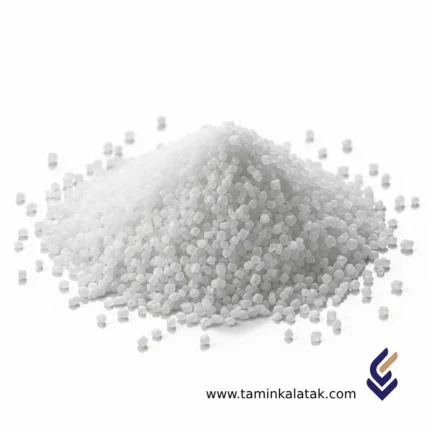
Caustic soda Pearl
Caustic Soda Granular, also known as Sodium Hydroxide Granules, Caustic Soda Pearls / Beads / Granules, or Caustic Soda Sugar Form, is a white, uniform, dry, free-flowing solid form of Sodium Hydroxide (NaOH).
Compared to Caustic Soda Flakes, the granular type has smaller particle size, higher density, and superior uniformity, making it ideal for high-precision applications in pharmaceutical, food, chemical, and laboratory industries.
Chemical Structure of Caustic Soda Granular
-
Chemical Name: Sodium Hydroxide
-
Chemical Formula: NaOH
-
CAS Number: 1310-73-2
-
Structure: Ionic – composed of Na⁺ and OH⁻ ions
-
Common Grades: Industrial (Technical Grade), Food Grade (FCC), Laboratory (Analytical Grade)
Physical and Chemical Properties
| Property | Specification |
|---|---|
| Appearance | White granular solid – non-volatile |
| True Density: | 2.13 g/cm³ |
| Bulk Density: | 0.8 – 1.2 g/cm³ (depending on granule size) |
| Melting Point: | 318°C |
| Boiling Point: | 1,388°C (gradual decomposition at higher temperatures) |
| pH (1% solution): | 13 – 14 |
| Solubility in Water: | Very high – strongly exothermic reaction |
| Solubility in Alcohol: | Limited (ethanol, methanol) |
| Viscosity: | Not applicable (solid form) |
| Hygroscopicity: | Highly hygroscopic – must be stored in sealed containers |
Applications
1. Detergent and Cleaning Industry
-
Production of strong alkaline cleaners and solid soaps
-
Effective in removing heavy industrial grease and oil
-
Preparation of alkaline cleaning solutions for surface treatment
2. Food and Beverage Industry
-
pH control in the production of cocoa, soft drinks, and vegetable oils
-
Chemical peeling of vegetables and olives (Lye Peeling)
-
Used in CIP (Cleaning-In-Place) systems for process equipment
3. Pharmaceutical and Laboratory Applications
-
Used as a pH adjuster in chemical synthesis
-
Preparation of buffer solutions and alkaline titrants
-
Reagent in organic and inorganic synthesis
4. Metal and Galvanizing Industries
-
Alkaline degreasing and metal surface cleaning
-
Oxide layer removal from aluminum and zinc surfaces
5. Pulp, Dyeing, and Petrochemical Industries
-
Bleaching of cellulose fibers in paper and textile industries
-
Used in polymerization and saponification reactions
Advantages
✅ Uniform granular form → faster dissolution and more precise dosing than flake type
✅ Better stability in storage (when properly packaged)
✅ Low dust generation, improving safety and handling convenience
✅ Suitable for sensitive laboratory and food-grade applications
Disadvantages
⚠️ Higher cost compared to flake caustic soda (due to refined processing)
⚠️ Highly exothermic reaction with water – temperature must be controlled
⚠️ Strongly corrosive to metals and biological tissue
⚠️ Absorbs moisture and CO₂ from air, leading to purity reduction if improperly stored
Safety and Handling
-
GHS Classification: H314 – Causes severe skin burns and serious eye damage
-
Personal Protective Equipment (PPE):
-
Alkali-resistant gloves (PVC or neoprene)
-
Safety goggles or face shield
-
Dust mask (for fine granules)
-
Chemical-resistant clothing
-
Emergency Measures:
-
Skin/Eye Contact: Rinse immediately with plenty of cold water for at least 15 minutes and seek medical attention.
-
Ingestion: Do not induce vomiting. Drink plenty of water and seek immediate medical care.
Storage Conditions
-
Store in multi-layer polyethylene moisture-proof bags or sealed plastic drums
-
Keep in a dry, cool, well-ventilated area
-
Keep away from acids and light metals
Chemical Incompatibilities
-
Strong acids → violent reaction
-
Light metals (e.g., aluminum, zinc) → releases flammable hydrogen gas
-
Chlorinated organic compounds → hazardous reaction
Packaging
-
Standard Packaging: 25 kg three-layer moisture-proof bags
-
Laboratory Grades: 1–5 kg sealed containers (HDPE or PE-coated)
Summary
Caustic Soda Granular (NaOH) is a high-purity, free-flowing alkaline compound designed for applications requiring precision, safety, and consistency.
With its fast solubility, low dust, and stable granular form, it is the preferred choice for pharmaceutical, food, laboratory, and high-quality industrial processes.
Cement Spraying Machine
Cement spraying machine or mortar spraying machine is a powerful and efficient tool in the construction industry that is used to spray construction materials such as cement, plaster, concrete and other mortars on various surfaces. These machines create a uniform and high-quality coating with high speed and accuracy, which is much more efficient compared to traditional methods such as troweling.
Types of cement spraying machinesCement spraying machines are generally divided into two main categories: Hand-held cement spraying machines: These machines are suitable for smaller projects and repair work. They are usually lighter and more portable and are used for spraying small volumes of materials. Industrial cement spraying machines: These machines are designed for large and industrial projects. They have a higher capacity and can spray large volumes of materials at very high speeds. Advantages of using a cement spraying machine High speed: Cement spraying machines significantly increase the speed of project implementation. Uniform coverage: These machines create a uniform and high-quality coverage on surfaces. Reduced labor: Using these machines requires less labor. Reduced costs: In the long run, using a cement spraying machine reduces project implementation costs. Possibility of covering different surfaces: These machines have the ability to spray materials on different surfaces such as walls, ceilings, columns, etc. Reduced waste: Using these machines, the amount of construction material waste is minimized.
Applications of cement spraying machineFacade execution: For implementing various types of cement, plaster, etc. facades Concrete repair: For repairing cracks and holes in concrete Insulation: For implementing moisture and thermal insulation Creating smooth and uniform surfaces: For creating smooth and uniform surfaces on floors and walls Applying decorative coatings: For creating decorative coatings on various surfaces Main components of cement spraying machine Tank: For storing construction materials Pump: For pumping materials from the tank to the nozzle Nozzle: For spraying materials onto the surface Compressor: For supplying the compressed air required for spraying Hoses and fittings: For transporting materials and air
Cetyl alcohol
Cetyl alcohol is a long-chain fatty alcohol found naturally in some vegetable oils, such as coconut oil and palm oil. This compound is widely used in the cosmetic, pharmaceutical, and food industries due to its emulsifying, thickening, and emollient properties.
Applications of cetyl alcohol
- Cosmetics and health industries
- Pharmaceutical industries
- Food industries
Chemical Plasticizers (Peptizers)
Chemical plasticizers, also known as peptizers, are substances added to plastics to increase their flexibility, durability, and other mechanical properties. They function by increasing the movement of polymer chains within the plastic material, which lowers intermolecular forces and allows the chains to glide past each other more efficiently. This results in a more adaptable and pliable plastic product.
- Flexible PVC
- Coatings and Inks
- Medical Devices
- Food Packaging
- Electrical Insulation
Chlorinated Hydrocarbons
Chlorinated hydrocarbons, also known as organochlorides, are organic compounds that contain at least one covalently bonded chlorine atom. These compounds have a wide range of applications and properties due to their structural diversity.
Common Examples:
Chloroform (CHCl₃)
Carbon Tetrachloride (CCl₄)
Dichloromethane (CH₂Cl₂)
Trichloroethylene (C₂HCl₃)
Tetrachloroethylene (C₂Cl₄)
Properties:
Density: Typically denser than water due to the higher atomic weight of chlorine.
Boiling and Melting Points: Higher compared to related hydrocarbons.
Flammability: Reduces with increased chlorine substitution.
Alkylating Agents: Some aliphatic organochlorides can act as alkylating agents, which can result in cellular damage.
Applications:
Solvents: Used in industrial applications as solvents.
Pesticides: Some chlorinated hydrocarbons, like DDT, are used as insecticides.
Synthetic Materials: Used in the production of polymers, coatings, and synthetic rubber.
Natural Occurrence: Found in various natural sources, including marine algae and certain animals.
Environmental Concerns:
Toxicity: Some chlorinated hydrocarbons can pose significant environmental and health risks if released into the environment.
Chlorinated Paraffins
Chlorinated paraffins are organic compounds obtained by chlorination of aliphatic paraffins. These compounds are widely used in various industries due to their unique properties such as heat resistance, flammability, corrosion and permeability.
Structure and types of chlorinated paraffinsChlorinated paraffins are divided into two main categories: short chain chlorinated paraffins (SCCP) and long chain chlorinated paraffins (LCCP). SCCP: These compounds have shorter carbon chains and higher chlorine content. Due to their high toxicity and environmental stability, their production and use have been banned in many countries. LCCP: These compounds have longer carbon chains and lower chlorine content than SCCP. Due to their lower toxicity, they are still used in some industries.
Properties of chlorinated paraffinsHeat resistance: Chlorinated paraffins have good heat resistance. Flame resistance: These compounds have flame retardant properties and prevent the spread of fire. Corrosion resistance: Chlorinated paraffins are used as a protective coating against corrosion. Hydrophobicity: These compounds are hydrophobic and prevent water from penetrating materials. Adhesion properties: Some types of chlorinated paraffins have adhesion properties.
Applications of chlorinated paraffinsCoatings and paints industry: Used as an additive in the production of coatings and paints to improve their properties such as heat resistance, flammability and corrosion. Plastics industry: Used as a plasticizer and stabilizer in the production of plastics. Adhesive industry: Used as an adhesive in various industries. Rubber industry: Used as a plasticizer and fire retardant in the rubber industry.
chloroform
Chloroform is an organic compound with the formula CHCl₃. It's a colorless, dense liquid with a sweet odor. While once widely used as an anesthetic and solvent, its use has declined due to its toxicity and carcinogenic properties.
Properties of Chloroform
- Physical Properties:
- Colorless liquid
- Sweet odor
- Dense liquid (heavier than water)
- Volatile
- Chemical Properties:
- Good solvent for many organic compounds
- Reacts with strong bases to form dichlorocarbene
- Decomposes in sunlight to form phosgene, a toxic gas
Historical Uses of Chloroform
- Anesthesia: Chloroform was once widely used as a general anesthetic in surgeries. However, its use was discontinued due to its potential for causing heart arrhythmias and liver damage.
- Solvent: Chloroform was used as a solvent in various industrial processes, including the production of dyes, pharmaceuticals, and pesticides.
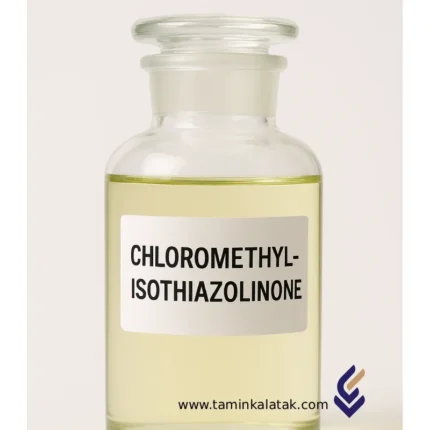
ChloroMethylIsoThiazolinone-MethylIsoThiazolinone (CMIT/MIT)
Methylisothiazolinone (MIT) is a synthetic preservative from the isothiazolinone family, widely used as an antimicrobial and antifungal agent across various industries.
Due to its strong bactericidal and fungicidal properties, MIT effectively prevents the growth of microorganisms in chemical and consumer products, thereby extending their shelf life and stability.
Chemical Information
-
Chemical Name: Methylisothiazolinone
-
Chemical Formula: C₄H₅NOS
-
Molar Mass: 115 g/mol (corrected from 15 g/mol)
-
CAS Number: 2682-20-4
-
Molecular Structure: Isothiazolinone ring substituted with a methyl group at the 2-position, which contributes to its antimicrobial activity and molecular stability.
Physical and Chemical Properties
| Property | Typical Value / Range |
|---|---|
| Appearance | Clear to pale yellow liquid |
| Odor | Mild, characteristic odor |
| Solubility | Miscible with water and polar organic solvents |
| pH Stability Range | Stable between pH 4 – 9 |
| Boiling Point | ~155 – 160°C |
| Vapor Pressure (25°C) | Very low (< 0.1 mmHg) |
| Key Feature | Broad-spectrum antimicrobial activity at very low concentrations (few ppm) |
Applications of Methylisothiazolinone
1. Personal Care and Cosmetic Products
Used as a preservative in shampoos, conditioners, lotions, creams, body washes, and other personal care formulations.
-
Under EU Cosmetics Regulation, the maximum allowed concentration in rinse-off products is 0.0015% (15 ppm).
-
Not permitted in leave-on cosmetic products in the EU due to sensitization concerns.
2. Detergent and Cleaning Products
Applied as an antimicrobial preservative in dishwashing liquids, laundry detergents, disinfectants, and household cleaners.
3. Paints, Adhesives, and Resins
Prevents microbial contamination and spoilage in water-based paints, adhesives, and polymer emulsions.
4. Industrial and Technical Uses
Used in cooling water systems, metalworking fluids, lubricants, and industrial process liquids to inhibit microbial growth.
Advantages
-
Highly effective at very low concentrations, offering economic efficiency.
-
Broad-spectrum activity against both bacteria and fungi.
-
Can be combined with other preservatives (e.g., Methylchloroisothiazolinone – CMIT) to enhance efficacy and stability.
-
Extends the shelf life of formulations without significantly affecting product performance.
Limitations
-
May cause skin sensitization or contact dermatitis in sensitive individuals.
-
Overuse or high concentrations can irritate skin and eyes.
-
Regulatory restrictions apply under EU and FDA guidelines.
-
Increasing reports of allergic reactions have led to limitations or bans of MIT as a standalone preservative in many cosmetic formulations.
Safety and Handling
| Aspect | Recommendation |
|---|---|
| Skin / Eye Contact | Avoid direct contact; wear chemical-resistant gloves, safety goggles, and protective clothing |
| Inhalation | Use in well-ventilated areas; avoid inhaling vapors or mists |
| Storage Conditions | Store in a cool, dry, well-ventilated place away from heat and direct sunlight |
| Permissible Concentration | Must comply with international regulations (typically ≤ 0.01% in cosmetic and personal care products) |
| Flash Point | > 100°C (approx.) |
| Environmental Hazards | Toxic to aquatic organisms (Aquatic Acute 1, H400 / Aquatic Chronic 2, H411 – per ECHA classification); disposal should follow local environmental regulations |
Summary
Methylisothiazolinone (MIT) is a high-performance preservative providing effective protection against microbial contamination in both consumer and industrial formulations.
Despite its high efficacy and economic benefits, its potential for skin sensitization requires strict adherence to regulatory concentration limits and safe handling practices.


