



Sorbic acid
Sorbic acid is an unsaturated fatty acid with natural antimicrobial properties, widely used as a food preservative.
It occurs naturally in certain plants, such as rowan berries, but is now mainly produced synthetically on an industrial scale.
Sorbic acid is one of the most commonly used food-grade preservatives, and it is officially designated as E200 in the food additive system.
Chemical Structure
-
Molecular Formula: C₆H₈O₂
-
IUPAC Name: (2E,4E)-hexa-2,4-dienoic acid
-
Structure Description: A six-carbon chain containing two conjugated double bonds and a carboxylic acid group (–COOH)
The presence of conjugated double bonds in its structure makes sorbic acid chemically reactive and responsible for its antifungal and antibacterial activity.
Physical and Chemical Properties
| Property | Value / Description |
|---|---|
| Physical State | White or slightly yellowish crystalline powder |
| Taste and Odor | Tasteless or slightly acidic, odorless or faint odor |
| Melting Point | 132–135 °C |
| Solubility in Water (25 °C) | 0.16 g per 100 mL (sparingly soluble) |
| Solubility in Alcohol | High |
| pH (1% Aqueous Solution) | 2.5–3.5 |
| Food Additive Code | E200 |
| Thermal Stability | Relatively stable up to 150 °C |
Applications of Sorbic Acid
Food Industry
-
Preservative in juices, dairy products, cheese, sauces, jams, beverages, cakes, and biscuits
-
Prevents the growth of molds, yeasts, and certain bacteria
Pharmaceutical Industry
-
Added to syrups, tablets, and ointments to increase shelf life
Cosmetic and Personal Care Industry
-
Used in creams, lotions, shampoos, and facial masks as a stabilizer and preservative
Animal Feed Industry
-
Serves as a preservative in compound feed and nutritional supplements
Advantages of Sorbic Acid
-
Natural and non-toxic: Safe for human consumption (approved by FDA and EFSA)
-
Effective antimicrobial activity at low concentrations
-
Compatible with a wide pH range, especially below 6.5
-
Does not affect the taste or odor of final products
-
Can be combined with other preservatives such as potassium sorbate
-
Suitable for organic and natural product formulations
Disadvantages of Sorbic Acid
-
Low solubility in cold water (requires soluble derivatives such as potassium sorbate for some formulations)
-
Limited effectiveness at high pH (> 6.5)
-
May oxidize under improper storage conditions
-
Decomposes at elevated temperatures
-
In rare cases, skin irritation or allergic reactions may occur at high concentrations
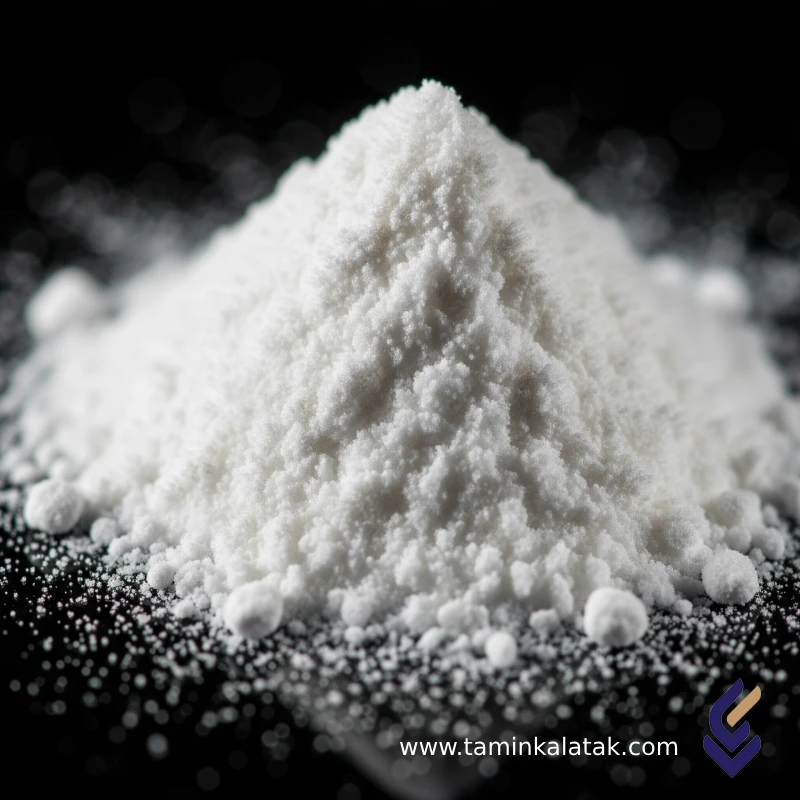
Sorbic acid
| Products | Grade | Density (at 20°C) | Process method | Applications |
|---|---|---|---|---|
| Sorbic acid | Food Grade | 1.44 g/cm³ | Crystallization / Spray Drying | Food preservative in dairy products, beverages, sauces, jams, pastries, bread, sausages and hot dogs |
| Sorbic acid | Pharmaceutical Grade | 1.44 g/cm³ | Purification by distillation and recrystallization | Antifungal and antibacterial in syrups, topical creams, gels, and supplements |
| Sorbic acid | Cosmetic Grade | 1.44 g/cm³ | Powdering and precise screening | Preservative for creams, lotions, masks, shampoos, natural and organic products |
| Sorbic acid | Feed Grade | 1.44 g/cm³ | Industrial Processing / Powder Dryers | Increasing the shelf life of livestock and poultry feed, preventing the growth of fungi and bacteria in the diet |


