



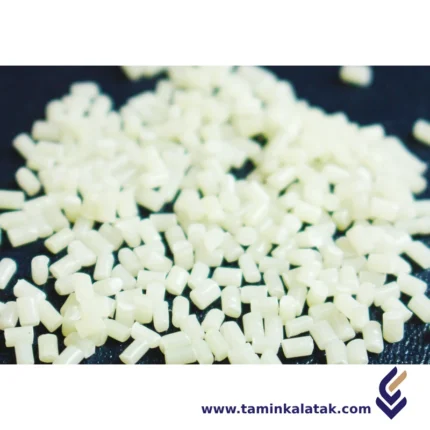
Anti-UV Masterbatch
Anti-UV Masterbatch is a specialized additive used in plastic manufacturing to enhance the UV resistance of polymer-based products. It consists of ultraviolet (UV) stabilizers and absorbers dispersed in a carrier resin, making it easier to incorporate into plastic during processing.
StructureThe structure of an anti-UV masterbatch consists of a combination of UV stabilizers, a carrier resin, and sometimes additional additives to enhance performance. The UV stabilizers, which can include UV absorbers and hindered amine light stabilizers (HALS), are the active components that protect plastics from degradation by absorbing or neutralizing harmful ultraviolet radiation. These stabilizers are uniformly dispersed within a carrier resin, which is typically the same or compatible with the final polymer to ensure easy blending during processing. The carrier resin acts as a medium that holds and delivers the UV stabilizers into the plastic matrix. Depending on the application, other additives such as antioxidants, processing aids, or heat stabilizers may be included to improve the overall durability of the final product. The masterbatch is typically produced in pellet or granular form, allowing for uniform distribution when mixed with base polymers during the manufacturing process.
PropertiesAnti-UV masterbatch possesses several key properties that enhance the durability and performance of plastic products exposed to sunlight. It effectively absorbs and dissipates ultraviolet radiation, preventing polymer degradation, discoloration, and brittleness. The masterbatch is designed to be thermally stable, ensuring that it can withstand high processing temperatures without losing its effectiveness. It is highly compatible with various polymers, including polyethylene, polypropylene, PVC, and ABS, allowing for easy incorporation into different plastic formulations. The dispersion quality is crucial, ensuring uniform distribution of UV stabilizers within the polymer matrix to achieve consistent protection. Additionally, anti-UV masterbatch can be tailored to specific applications by combining different types of UV stabilizers, such as UV absorbers and hindered amine light stabilizers (HALS), for comprehensive protection. It also maintains the mechanical properties of plastics over time, reducing surface cracking and extending the lifespan of products used in outdoor or high-exposure environments.
Applications
- Agricultural films, such as greenhouse covers and mulch films, to protect crops from UV damage.
- Outdoor furniture and construction materials, including pipes, sheets, and roofing, to prevent weathering and brittleness.
- Automotive plastic parts, such as dashboards and exterior trims, to resist sun-induced fading and cracking.
- Packaging materials, especially for products sensitive to UV exposure, such as food and pharmaceuticals.
- Electrical and electronic components, ensuring longer durability for plastic casings exposed to sunlight.
- Textile fibers and synthetic fabrics, improving UV resistance in outdoor clothing and industrial fabrics.
Advantages
- Protects plastics from UV-induced degradation, extending product lifespan.
- Reduces discoloration, brittleness, and surface cracking in exposed plastic materials.
- Enhances thermal stability, making it suitable for high-temperature processing.
- Compatible with various polymers, allowing flexibility in application.
- Cost-effective solution compared to using inherently UV-resistant polymers.
Disadvantages
- May slightly alter the color or transparency of clear plastic products.
- Effectiveness depends on the concentration and type of stabilizer used.
- Higher costs compared to non-UV-stabilized plastic formulations.
- Prolonged exposure to extreme UV conditions may still lead to gradual degradation over time.
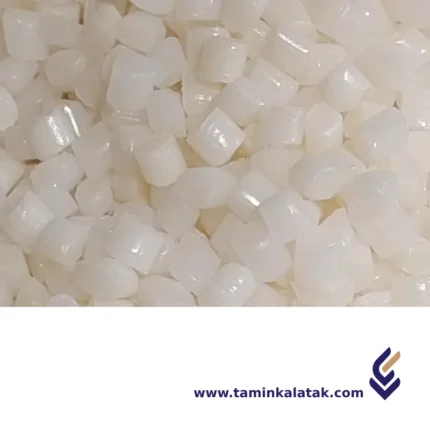
Antibacterial Masterbatch
Antibacterial Masterbatch is a concentrated additive used in plastic manufacturing to provide antimicrobial properties to the final product. It contains antibacterial agents—such as silver ions, zinc-based compounds, or organic biocides—dispersed in a carrier resin. When incorporated into plastic during processing, it helps prevent the growth of bacteria, fungi, and other microbes, enhancing hygiene and durability.
StructureThe structure of an antibacterial masterbatch consists of a carrier resin, an antibacterial agent, dispersing agents, stabilizers, and processing aids. The carrier resin, such as polyethylene (PE), polypropylene (PP), or polystyrene (PS), serves as the base material that ensures compatibility with the final plastic product. The antibacterial agent is the key active ingredient, which can be silver-based (Ag+ ions), zinc-based (ZnO, Zn ions), organic biocides (such as triclosan or quaternary ammonium compounds), or copper-based (Cu+ ions). These agents work by disrupting bacterial cell membranes, inhibiting their metabolism, or preventing their adhesion to surfaces. To ensure uniform distribution, dispersing agents and stabilizers are added to prevent agglomeration and degradation of the antibacterial particles. Additionally, processing aids enhance the flow properties and thermal stability of the masterbatch during plastic manufacturing. In terms of functionality, the antibacterial particles are encapsulated within the carrier resin and gradually migrate to the surface over time, providing long-lasting antimicrobial protection. This structure makes antibacterial masterbatches highly effective in applications such as medical devices, food packaging, and consumer goods, ensuring improved hygiene and product durability.
PropertiesAntibacterial masterbatch possesses a range of properties that make it an effective solution for antimicrobial plastic applications. It provides broad-spectrum antimicrobial protection, inhibiting the growth of bacteria, fungi, mold, and algae while ensuring long-lasting effectiveness through the gradual release of active agents. Many formulations use a non-leaching mechanism, meaning the antibacterial agents remain embedded in the polymer matrix, preventing washout or depletion. The masterbatch is highly dispersible, ensuring even distribution of antibacterial agents without compromising the mechanical strength or flexibility of the final plastic product. Additionally, it exhibits excellent thermal stability, withstanding high processing temperatures (typically between 200–300°C) without degradation. Many formulations are also UV and oxidation-resistant, ensuring long-term performance in various environments. Chemically, antibacterial masterbatch is compatible with a wide range of polymers, including PP, PE, PET, PVC, and ABS. It meets strict safety and regulatory standards, making it non-toxic and safe for food contact applications, with compliance to FDA, EU, and REACH regulations. Furthermore, it is easy to incorporate into plastic manufacturing processes such as extrusion, injection molding, and blow molding, and can be customized to achieve specific antimicrobial performance levels.
Applications of Antibacterial Masterbatch
- Food Packaging – Prevents bacterial growth on plastic packaging for longer shelf life.
- Medical Devices – Used in surgical instruments, hospital trays, and equipment to maintain hygiene.
- Consumer Products – Incorporated in household items like cutting boards, toothbrush handles, and baby products.
- Textile Industry – Used in antimicrobial fabrics for sportswear, medical textiles, and upholstery.
- Automotive Industry – Applied to interior components to reduce microbial contamination.
- Electronics – Used in device casings, keyboards, and remote controls to prevent bacteria buildup.
- Public Transport & Infrastructure – Implemented in handrails, seats, and handles to maintain hygiene in public places.
Advantages of Antibacterial MasterbatchPrevents Bacterial Growth – Reduces microbial contamination on plastic surfaces. Enhances Product Longevity – Prevents material degradation caused by bacteria. Improves Hygiene & Safety – Ideal for healthcare, food, and consumer products. Odor Reduction – Prevents bad smells caused by bacterial activity. Customizable – Can be tailored to different polymers and processing requirements. Cost-Effective – Long-term savings by reducing the need for frequent cleaning and replacements.
Disadvantages of Antibacterial MasterbatchPotential Toxicity – Some antibacterial agents may raise health concerns. Regulatory Compliance Issues – Must meet strict safety and environmental regulations. Limited Effectiveness – May not work against all bacteria and fungi. Environmental Concerns – Some formulations may contribute to antimicrobial resistance. Increased Cost – Adds to production expenses compared to standard plastics. Performance Variation – Effectiveness can depend on temperature, humidity, and exposure conditions.
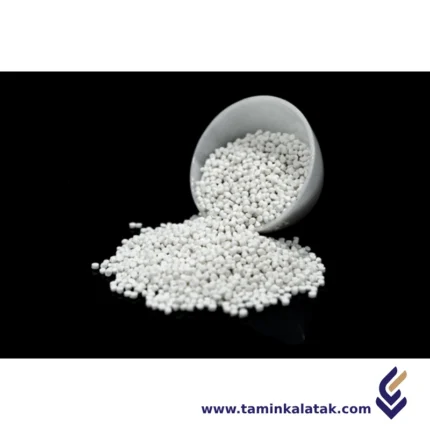
Carbonate Masterbatch
Carbonate Masterbatch is a type of filler masterbatch that consists of calcium carbonate (CaCO₃) dispersed in a polymer carrier resin, such as polyethylene (PE) or polypropylene (PP). It is widely used in the plastic industry to improve the mechanical properties of plastic products, reduce production costs, and enhance processability.
Structure
The structure of carbonate masterbatch consists of finely ground calcium carbonate (CaCO₃) particles dispersed in a polymer carrier resin, such as polyethylene (PE), polypropylene (PP), or other thermoplastics. The calcium carbonate acts as a functional filler, providing improved mechanical properties, cost reduction, and enhanced processability. To ensure uniform dispersion and compatibility with the base polymer, the CaCO₃ particles are often coated with surface modifiers or coupling agents, such as stearic acid, which enhances their bonding with the polymer matrix. The polymer carrier resin serves as a medium to evenly distribute the calcium carbonate during processing, preventing agglomeration and ensuring consistent performance in the final product. The proportion of CaCO₃ in the masterbatch can vary depending on the intended application, typically ranging from 20% to 80%. This structure allows for improved stiffness, thermal stability, and opacity while maintaining the flexibility and processability of the plastic.Properties
Carbonate masterbatch possesses several key properties that make it a valuable additive in plastic production. It has high dispersion, ensuring uniform distribution of calcium carbonate within the polymer matrix, which enhances the mechanical properties of the final product. The masterbatch improves stiffness, rigidity, and impact strength while maintaining sufficient flexibility for various applications. It also enhances thermal stability, allowing plastic materials to withstand higher processing temperatures without degradation. Due to the presence of calcium carbonate, it increases opacity and whiteness, which is particularly beneficial for films, sheets, and molded products. The masterbatch helps in cost reduction by replacing a portion of expensive polymer resin with a more affordable filler without compromising product quality. Additionally, it improves processability by enhancing extrusion and molding performance, reducing shrinkage, and providing better dimensional stability. Its density varies depending on the calcium carbonate concentration, typically ranging from 1.5 to 2.2 g/cm³, and it has a melt flow index (MFI) tailored to match the base polymer for seamless integration into manufacturing processes.Applications
- Used in plastic films such as shopping bags, garbage bags, and agricultural films to enhance opacity and reduce costs.
- Applied in injection molding for household products, containers, and automotive components to improve strength and stiffness.
- Utilized in blow molding for producing bottles and hollow plastic items with better rigidity.
- Incorporated in extruded sheets, pipes, and profiles to enhance mechanical properties and processing efficiency.
- Used in non-woven fabrics to improve stiffness and provide a better hand feel for hygiene products.
- Applied in thermoforming to manufacture rigid packaging trays and disposable containers.
Advantages
- Reduces production costs by replacing expensive polymer resins with calcium carbonate.
- Improves mechanical properties, such as stiffness, impact resistance, and dimensional stability.
- Enhances processability by improving extrusion, injection, and blow molding performance.
- Increases opacity and whiteness, reducing the need for additional whitening agents.
- Provides thermal stability, allowing for high-temperature processing without degradation.
- Reduces shrinkage and warping, leading to better-finished products.
- Eco-friendly as it reduces polymer consumption and can improve recyclability in some applications.
Disadvantages
- Higher filler content may reduce flexibility, making some plastic products more brittle.
- May affect transparency, making it unsuitable for clear plastic applications.
- Can alter surface properties, potentially impacting printability or adhesion in certain cases.
- May require surface treatment for better compatibility with some polymer matrices.
- Increased density can add weight to the final product, which may be undesirable in lightweight applications.
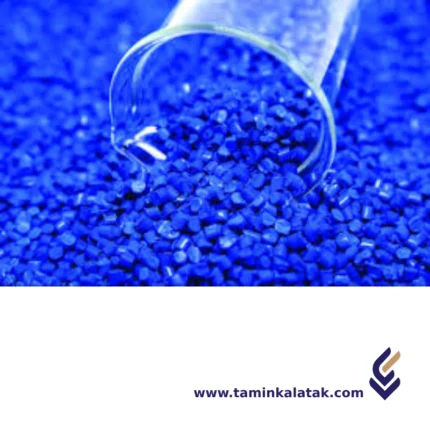
Masterbatch Anti algae and moss
An anti-algae and moss masterbatch is a specialized additive used in plastic products to prevent the growth of algae, moss, fungi, and other microorganisms. It is commonly used in applications where plastics are exposed to moisture, humidity, and outdoor conditions.
StructureThe structure of an anti-algae and moss masterbatch consists of a polymer carrier, biocidal agents, UV stabilizers, and dispersing aids. The polymer carrier, typically made of polyethylene (PE), polypropylene (PP), or polyvinyl chloride (PVC), ensures compatibility with the final plastic product and allows for easy incorporation during manufacturing. Biocidal agents are the active components that prevent the growth of algae, moss, and fungi by disrupting their cellular processes or inhibiting their ability to thrive on the plastic surface. UV stabilizers are often included to protect the plastic from ultraviolet radiation, which can accelerate degradation and create conditions favorable for microbial growth. Dispersing aids help evenly distribute the active ingredients throughout the plastic matrix, ensuring consistent protection over time. This carefully formulated combination helps extend the lifespan of plastic products exposed to moisture and outdoor environments while maintaining their aesthetic and functional properties.
PropertiesAnti-algae and moss masterbatch exhibits several key properties that enhance the durability and performance of plastic products in outdoor and high-moisture environments. It possesses strong antimicrobial and biocidal activity, effectively preventing the growth of algae, moss, fungi, and other microorganisms on plastic surfaces. The masterbatch is highly weather-resistant, with the ability to withstand prolonged exposure to sunlight, humidity, and rain without losing its effectiveness. It is often formulated with UV stabilizers to prevent degradation caused by ultraviolet radiation, ensuring long-term protection and maintaining the integrity of the plastic. The dispersion of active agents within the polymer matrix is uniform, allowing consistent performance across the entire product. It is also chemically stable, meaning it does not easily leach out or degrade under normal usage conditions. Additionally, it is compatible with various thermoplastic materials, such as polyethylene, polypropylene, and PVC, making it suitable for a wide range of applications, including roofing materials, outdoor furniture, agricultural films, and drainage systems.
Applications
-
- Agriculture: Used in greenhouse films, mulch films, and irrigation pipes to prevent algae growth.
- Construction: Applied in roofing sheets, tiles, drainage pipes, and water tanks to inhibit moss formation.
- Marine Industry: Helps reduce biofouling on boats, docks, and marine equipment.
- Textile Industry: Used in synthetic outdoor fabrics and geotextiles to prevent microbial degradation.
- Packaging Industry: Applied in food packaging, beverage containers, and water storage units to minimize contamination.
Advantages
-
- Prevents algae and moss growth, extending product lifespan.
- Reduces maintenance and cleaning costs.
- Enhances aesthetic appeal by preventing discoloration and surface damage.
- Improves material durability by protecting against microbial degradation.
- Available in eco-friendly formulations.
- Compatible with various plastic polymers like PE, PP, and PVC.
Disadvantages
-
- Increases production costs due to specialized additives.
- Some formulations may have environmental impacts, especially in aquatic ecosystems.
- Effectiveness may decrease over time as active ingredients degrade.
- Subject to regulatory restrictions depending on the biocides used.
- May affect the recyclability of plastic materials.
Masterbatch Anti fungus and mold
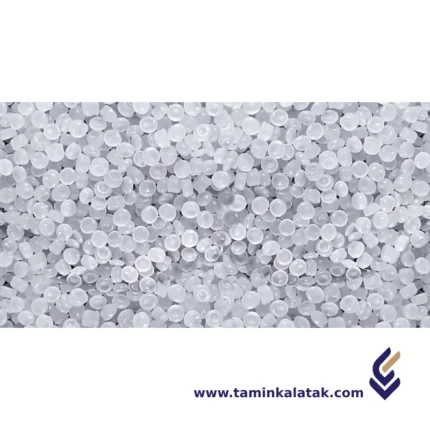
A masterbatch for anti-fungus and anti-mold applications is a concentrated additive used in plastic manufacturing to prevent fungal and mold growth. It is commonly used in polymer processing for products exposed to humid or damp environments, such as packaging, construction materials, agricultural films, and household items.
StructureA Masterbatch anti-fungus and mold formulation typically consists of a polymer carrier, such as polyethylene or polypropylene, which acts as a base resin to evenly distribute the additives throughout the material. The key components are the active anti-fungal and anti-mold agents, which include biocides, fungicides, and anti-microbial agents that inhibit the growth of fungi, mold, and bacteria. These can include chemicals like zinc pyrithione, silver-based compounds, or organosulfur agents. To enhance the processing and performance, fillers such as calcium carbonate or silica may be added, along with stabilizers like UV stabilizers, antioxidants, or light stabilizers to maintain the longevity of the masterbatch. Additionally, processing aids such as lubricants and dispersing agents are often incorporated to improve the flow and dispersion of the ingredients during manufacturing. In some cases, surfactants or pigments might be included to optimize the dispersion and give the product color, though this is less common for anti-fungal and mold masterbatches. These masterbatches are then mixed into the final product, such as plastics or coatings, to provide effective protection against mold and fungal growth.
PropertiesMasterbatch anti-fungus and mold possesses several key properties that make it effective in preventing microbial growth in plastic and polymer-based materials. It provides strong antifungal and antimicrobial protection by inhibiting the growth of mold, mildew, and bacteria, ensuring long-term durability and hygiene of the final product. The formulation is designed for excellent dispersion within the base polymer, allowing uniform distribution of active agents. It is highly stable under various environmental conditions, including high temperatures and UV exposure, preventing degradation over time. Many formulations are non-toxic and comply with regulatory safety standards, making them suitable for applications in packaging, medical devices, and consumer goods. Additionally, these masterbatches maintain the mechanical properties of the base polymer, ensuring that strength, flexibility, and appearance remain unaffected. They are also compatible with a wide range of polymers such as polyethylene, polypropylene, and polystyrene, offering versatility in application. Some variations include moisture-resistant and weatherproof properties, making them ideal for both indoor and outdoor use.
Applications
- Used in plastic packaging to prevent mold growth on food and consumer goods
- Incorporated into medical devices and equipment to ensure hygiene and reduce microbial contamination
- Applied in household products such as plastic containers, furniture, and flooring to prevent fungal damage
- Used in automotive interiors to prevent mold buildup in humid conditions
- Integrated into construction materials like PVC pipes, wall panels, and insulation for long-term mold resistance
- Employed in textiles and synthetic fibers to enhance durability and cleanliness
- Added to coatings and paints to protect surfaces from fungal and bacterial growth
- Utilized in agricultural films and greenhouse materials to minimize mold-related crop damage
Advantages
- Provides long-lasting antifungal and antimicrobial protection
- Helps in extending the lifespan of plastic materials by preventing microbial degradation
- Reduces health risks associated with mold exposure, particularly in medical and food-related applications
- Compatible with a wide range of polymers and processing methods
- Maintains the mechanical and aesthetic properties of the base material
- Some formulations are non-toxic and environmentally friendly
- Enhances hygiene and safety in various industries, including food, healthcare, and construction
Disadvantages
- May increase production costs due to the addition of specialized additives
- Some formulations may have regulatory restrictions for food contact or medical use
- Prolonged exposure to high temperatures and UV radiation can cause reduced effectiveness over time
- The presence of antimicrobial agents may lead to resistance development in microorganisms
- Requires precise formulation and dosage to avoid affecting the physical properties of the final product
White Masterbatch
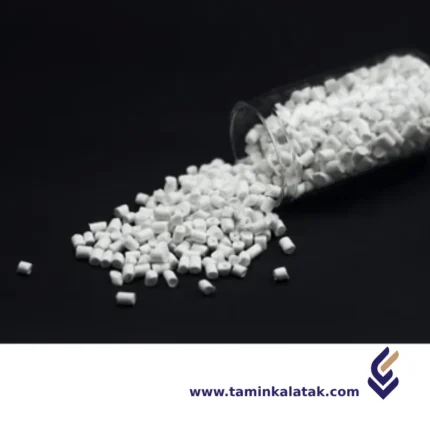
White Masterbatch is a concentrated mixture of titanium dioxide (TiO₂), a polymer carrier resin, and various additives designed to provide whiteness, brightness, and opacity in plastic products. It is widely used in different plastic manufacturing processes to enhance aesthetic appeal, opacity, and UV resistance.
Structure of White Masterbatch
White masterbatch consists of a high concentration of titanium dioxide (TiO₂) dispersed in a polymer carrier, which imparts opacity, brightness, and whiteness to plastic products. The main component, TiO₂, is uniformly distributed within carrier resins such as polyethylene (PE), polypropylene (PP), polystyrene (PS), or other compatible polymers to ensure even dispersion during processing.
In addition, additives such as dispersing agents, processing aids, and stabilizers may be included to improve pigment dispersion, enhance processability, and increase resistance to heat and UV radiation.
The formulation of white masterbatch is designed to ensure easy handling and consistent color performance, making it an essential component in industries such as packaging, automotive, textiles, and consumer goods.
Key Properties of White Masterbatch
White masterbatch possesses several critical properties that make it ideal for use in the plastics industry:
-
High opacity and brightness due to the presence of titanium dioxide (TiO₂).
-
Excellent whiteness and coverage performance.
-
Uniform color dispersion with no streaking or spotting.
-
Good thermal stability, resistant to degradation during high-temperature processing.
-
Strong UV resistance to prevent discoloration and surface degradation under sunlight.
-
Enhanced mechanical strength and durability of the final product.
-
Moisture resistance and excellent compatibility with various polymer types.
-
Easy to blend and process across different production methods.
Applications of White Masterbatch
-
Packaging materials such as films, bottles, and containers for food, pharmaceuticals, and consumer goods.
-
Automotive components, both interior and exterior plastic parts.
-
Household appliances, furniture, and electronic housings for aesthetic and protective purposes.
-
Textiles and fibers to achieve whiteness and UV protection.
-
Construction materials including PVC pipes, window profiles, and roofing sheets.
-
Agricultural films, mulching sheets, and irrigation pipes.
Advantages of White Masterbatch
-
High opacity and brightness, improving product appearance.
-
Excellent dispersion of TiO₂, preventing streaks or uneven coloration.
-
Increased UV resistance, protecting against color fading and degradation.
-
Enhanced mechanical properties, improving strength and durability.
-
Thermal stability suitable for high-temperature processing.
-
Compatible with a wide range of base polymers for versatile applications.
-
Available in customized formulations tailored to specific industrial needs.
Disadvantages of White Masterbatch
-
High TiO₂ content increases production costs.
-
Possible incompatibility with certain polymers if not properly formulated.
-
Overuse may reduce mechanical strength, causing brittleness.
-
May require additional additives to optimize dispersion and processing performance.
-
Excessive use can increase material consumption and negatively affect environmental goals.
Types of Masterbatch
Black Masterbatch
Contains carbon black and is commonly used in cable, pipe, automotive, and packaging industries. It provides excellent UV resistance, high coverage, and thermal conductivity.
Purple Masterbatch
Used in various industries to achieve specific aesthetic effects by introducing violet tones, often combined with other colors such as yellow or green.
Yellow Masterbatch
Formulated with organic or inorganic pigments for decorative, packaging, household, toy, and industrial applications requiring vibrant coloration.
Green Masterbatch
Similar in use to yellow masterbatch, it is applied in consumer goods, household products, and industrial components.
Blue-White Masterbatch
A white masterbatch with a bluish tint that provides enhanced visual brightness and clarity, ideal for premium packaging and decorative products.
Refrigerator White Masterbatch
Specially formulated for refrigerator and household appliance parts, producing a clean, cool-toned white appearance.
White Masterbatch Price Factors
As many manufacturers know, the price of white masterbatch is a key consideration in industries such as plastics, packaging, household goods, and automotive manufacturing.
While it offers strong opacity, high brightness, and excellent light resistance, the final price depends on several factors:
-
Titanium dioxide concentration and quality.
-
Type of carrier resin used.
-
Level of dispersion and processing technology.
-
Additives for UV, heat, or moisture resistance.
-
Custom formulation and color matching requirements.
-
Global TiO₂ market fluctuations and raw material costs.
Understanding these factors helps manufacturers make informed and cost-effective purchasing decisions while maintaining product quality and performance.


